

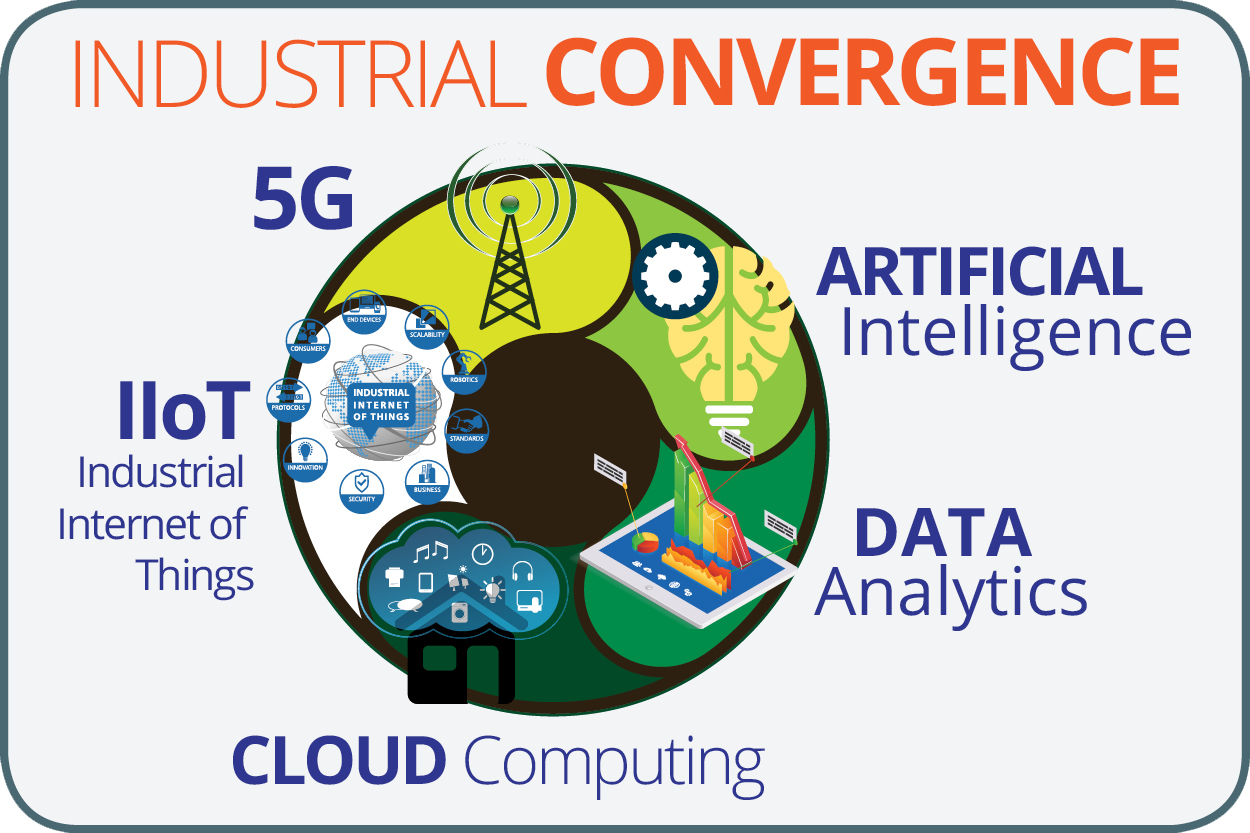
Technology convergence is a game-changer in today’s world. It means different technologies coming together to create new, powerful systems. For example, smartphones combine the functions of a phone, computer, camera, and GPS into one device. This idea of merging tools, platforms, and systems is changing how we live, work, and connect.
This article explains what technology convergence is, how it works, and 7 powerful ways it is affecting industries and everyday life. Whether you’re a business owner, student, or just curious, this guide will help you understand the big shift happening right now.
What Is Technology Convergence?

Technology convergence happens when different types of technology evolve and start working together in new ways. It usually leads to improved performance, more features, and better user experiences.
Here are a few examples:
- Smartphones (phone + internet + GPS + camera)
- Smart TVs (TV + internet apps + voice control)
- AI in Healthcare (AI + medical imaging + data analytics)
- Autonomous Vehicles (AI + GPS + sensors + cameras)
This blending makes devices smarter, faster, and more helpful. It also cuts down costs and brings more convenience to people.
Why Technology Convergence Matters
The world is becoming more digital every day. As new inventions keep coming, technology convergence helps us use them more effectively by:
- Reducing duplication
- Saving time and money
- Increasing speed and efficiency
- Creating better products and services
Businesses that adopt convergence can get ahead of the competition. People who understand it can adapt faster to new trends.
7 Powerful Ways Technology Convergence Is Transforming the World
Let’s explore how technology convergence is making a big difference in many areas:
1. Smarter Healthcare Solutions
Healthcare is one of the biggest winners of tech convergence. AI, wearable tech, and telemedicine are working together to detect diseases early, monitor patients remotely, and improve treatment.
- AI analyzes medical records to give faster diagnoses.
- Wearables track heart rate and sleep for real-time feedback.
- Video calls with doctors save time and make care more accessible.
This leads to better health outcomes and lower medical costs.
2. Revolution in Education
Online learning platforms like Coursera and Khan Academy use tech convergence by combining video, AI, and interactive tools.
- Students can learn at their own pace.
- Teachers use AI to identify weak areas.
- Virtual classrooms connect students worldwide.
This change is making quality education available to everyone.
3. Advanced Transportation Systems
Self-driving cars and smart traffic management are results of convergence. GPS, AI, and real-time sensors work together to make transport safer and more efficient.
- Cars drive themselves using maps and camera data.
- Apps like Uber use real-time tracking and payments in one place.
- Smart signals manage traffic flow automatically.
This reduces accidents, traffic jams, and pollution.
4. Boost in Smart Homes
Smart homes are becoming more common thanks to technology convergence. Devices like Alexa or Google Home link lights, appliances, security, and more.
- Lights turn on with voice commands.
- Fridges send alerts when food runs low.
- Cameras and sensors protect homes 24/7.
This makes life easier, safer, and more energy-efficient.
5. Faster, Safer Communication
Phones, social media, and video calling platforms merge different tech tools. This allows instant and global communication.
- Zoom blends video, chat, and screen sharing.
- WhatsApp combines calls, texts, and file sharing.
- Cloud tools allow remote work from anywhere.
This helps families, teams, and businesses stay connected in real time.
6. New Business Models and Startups
Tech convergence helps new businesses launch fast. E-commerce, delivery apps, and fintech use multiple technologies together.
- Amazon uses AI, logistics, and cloud systems.
- Swiggy merges GPS, payment gateways, and order tracking.
- Fintech apps combine banking, loans, and crypto in one place.
This allows startups to scale quickly with low overhead.
7. Entertainment on Demand
Streaming platforms like Netflix and Spotify combine AI, cloud storage, and mobile tech.
- AI recommends shows and songs.
- Users can watch or listen anywhere.
- Ads are targeted based on your behavior.
This has changed how we enjoy music, TV, and movies.
Challenges of Technology Convergence
While technology convergence brings many benefits, it also creates challenges:
- Privacy risks: Devices collect a lot of personal data.
- Security issues: More systems mean more chances of hacking.
- Job disruption: Automation can replace human jobs.
- Tech addiction: Easy access to content may lead to overuse.
Governments, companies, and users need to manage these carefully.
Final Thoughts
Technology convergence is not a trend—it’s the future. As devices and systems continue to merge, they will change every part of life. From smarter healthcare and transport to more flexible education and work, the benefits are huge.
Understanding this trend can help you stay ahead in your career, business, and personal growth. But it’s important to use it wisely and be aware of its limits. With the right balance, technology convergence can lead to a smarter, safer, and more connected world.
Also Read – 5 Powerful Benefits as Toray Launches Water Treatment Technology Center in Saudi Arabia

