

A Historic Moment for Tehran’s Transport
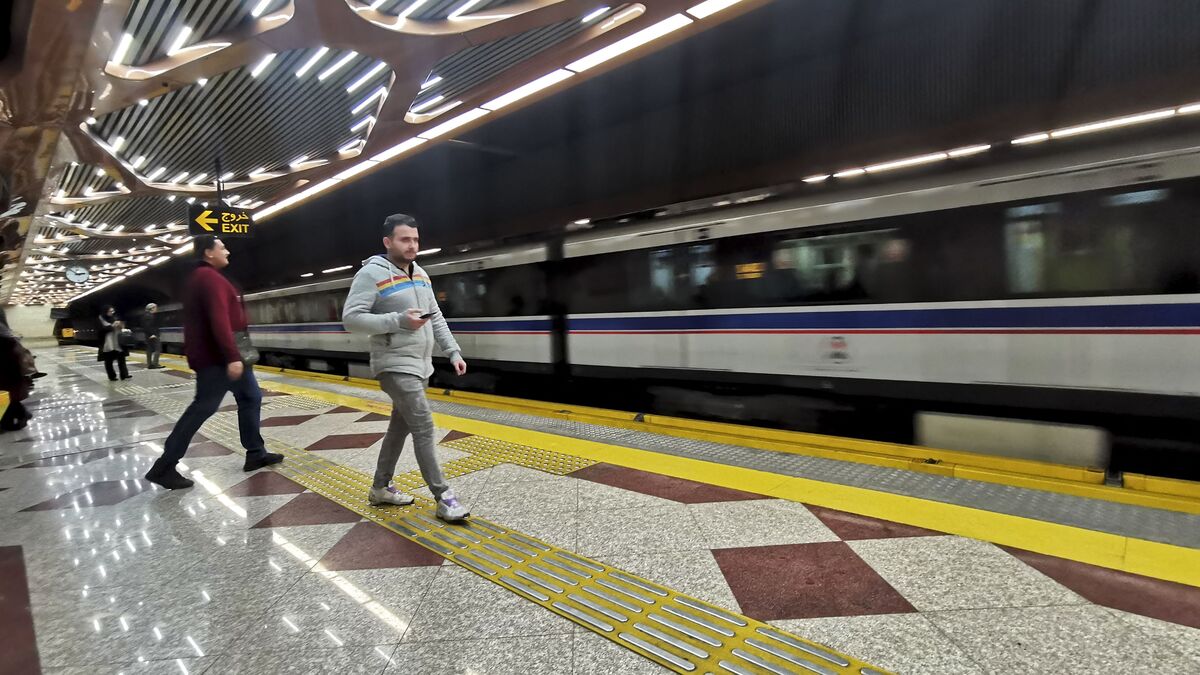
The city of Tehran has recently marked a remarkable milestone with the inauguration of the Holy Virgin Mary Metro Station, a project that has been long awaited by commuters, city planners, and residents alike. Located strategically in the heart of the capital, this station is poised to transform the daily commute of thousands while honoring a figure revered across the world. The launch has drawn attention not only for its functionality but also for its cultural and spiritual significance, making it a unique addition to Iran’s urban landscape.
The new station promises to ease congestion, enhance connectivity, and bring modern infrastructure closer to citizens. Designed with a focus on accessibility, the Holy Virgin Mary Metro Station ensures that commuters of all ages, including those with disabilities, can move comfortably and safely. Its opening represents a fusion of tradition and modernity, where the efficiency of contemporary transport meets the acknowledgment of historical and spiritual heritage.
Modern Design with Cultural Respect
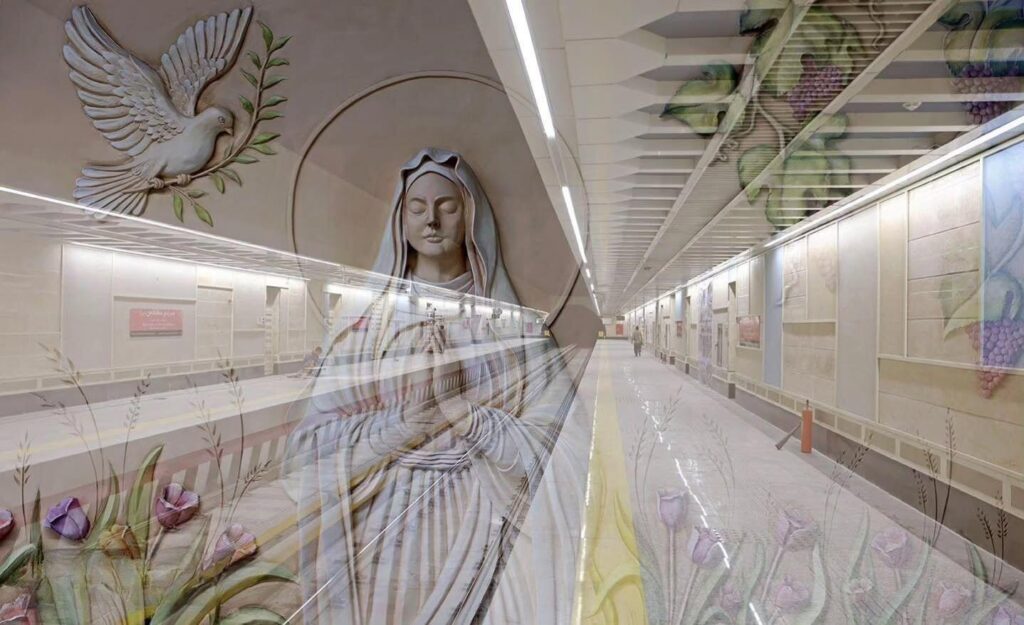
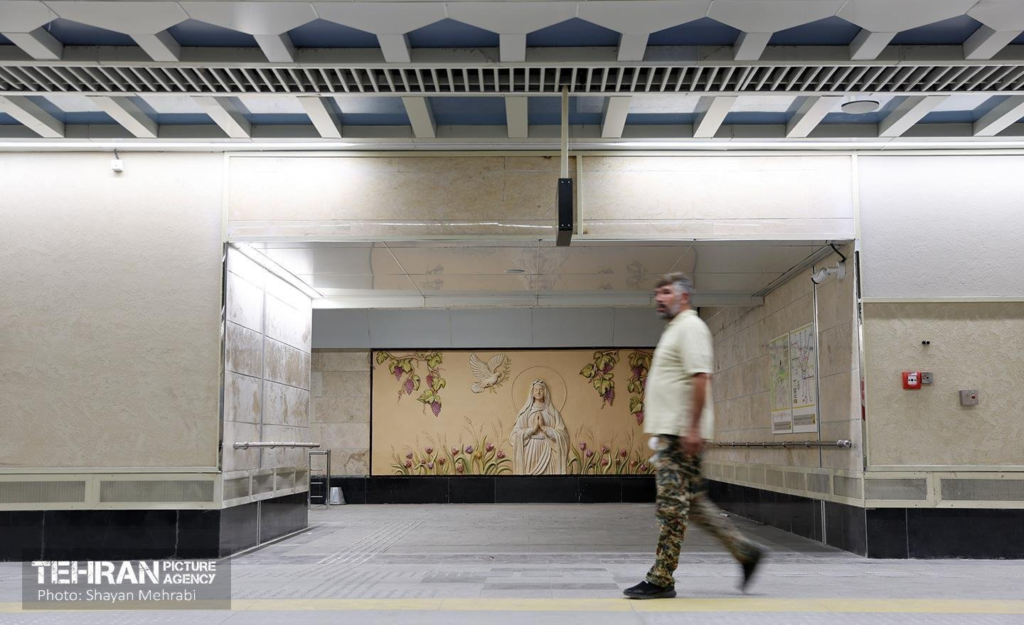
The architectural design of the station is both modern and respectful of cultural symbolism. The interiors boast spacious halls, bright lighting, and intuitive signage that makes navigation seamless. Special attention has been given to incorporating artistic elements that reflect Iran’s rich cultural tapestry alongside symbols associated with the Holy Virgin Mary. These features provide commuters with not only a functional space but also a visually uplifting environment, blending art, faith, and urban life.
The station also introduces state-of-the-art safety systems, including advanced surveillance cameras, emergency response mechanisms, and fire safety protocols. This commitment to security ensures that passengers can travel with peace of mind, making it an example of how infrastructure can serve both practical and symbolic purposes simultaneously.
Boosting Connectivity Across Tehran
One of the most significant impacts of the new metro station is its ability to enhance urban mobility. By linking key neighborhoods and facilitating faster travel times, the Holy Virgin Mary Metro Station is expected to dramatically reduce traffic congestion and improve the overall efficiency of Tehran’s transportation network. Commuters will experience shorter journeys, more reliable schedules, and greater access to the city’s cultural, commercial, and educational hubs.
The metro’s extended reach also offers economic benefits. Businesses in nearby areas are anticipated to experience increased foot traffic, potentially boosting local commerce and creating new job opportunities. For residents, the station is more than just a transit point it is a gateway to better living standards, easier access to work, and improved quality of life.
A Symbol of Harmony and Respect
The decision to name the station after the Holy Virgin Mary is particularly noteworthy. It reflects a spirit of interfaith respect and a recognition of shared cultural and religious values. While Tehran is primarily a Muslim city, this acknowledgment of a revered Christian figure sends a powerful message of inclusivity and harmony. For citizens, commuters, and visitors, the station stands as a reminder that urban development can honor diverse traditions while serving modern needs.
Public response to the station’s opening has been overwhelmingly positive. Families, students, and office-goers alike have expressed excitement at the convenience it offers. Social media has been filled with images of the station, showcasing its clean design, efficient facilities, and welcoming atmosphere. Many have noted how the station serves as a source of inspiration, combining the beauty of spiritual symbolism with the utility of modern infrastructure.
Enhancing Tourism and Cultural Engagement
Beyond its function as a transportation hub, the Holy Virgin Mary Metro Station has the potential to become a cultural landmark. Tourists visiting Tehran are likely to be drawn to its unique design and the symbolic meaning behind its name. This presents an opportunity for the city to enhance its cultural tourism sector, encouraging visitors to explore not only the station but also the surrounding neighborhoods and attractions.
The station can also serve as an educational platform, offering information about the life of the Holy Virgin Mary, the history of Tehran, and the city’s commitment to modern development that respects tradition. Schools and educational groups may incorporate visits to the station into field trips, allowing students to witness firsthand how urban planning, art, and cultural respect can coexist in a functional public space.
Economic and Environmental Impact
The metro station contributes significantly to Tehran’s sustainability goals. By providing a reliable public transport option, it encourages citizens to reduce their reliance on private vehicles, which in turn lowers traffic congestion and air pollution. This aligns with broader environmental initiatives in the city aimed at creating a cleaner, healthier urban environment.
Economically, the new station is expected to stimulate growth in its vicinity. Cafes, shops, and small businesses are likely to thrive with increased foot traffic, creating vibrant local communities around the station. Employment opportunities will expand both during the construction phase and in the ongoing operation of the station, providing valuable jobs for residents.
A Step Towards Future Urban Innovation
The Holy Virgin Mary Metro Station represents more than just a new stop on Tehran’s metro line it symbolizes the city’s forward-thinking approach to urban development. It demonstrates how thoughtful planning, modern design, and cultural sensitivity can combine to create infrastructure that benefits residents, visitors, and the environment alike.
As Tehran continues to grow, this station sets a benchmark for future projects. It serves as an example of how urban spaces can be functional, aesthetically pleasing, and culturally meaningful simultaneously. City planners and developers can look to this station as a model for integrating spiritual symbolism into public infrastructure without compromising efficiency or accessibility.
Community and Social Impact
For local communities, the station is a hub of social interaction. It creates spaces where people can meet, connect, and engage with one another. Its accessible design ensures that elderly residents, children, and differently-abled individuals can all participate fully in daily life without obstacles.
Moreover, the station promotes a sense of pride among citizens. It demonstrates that Tehran is not only investing in modern transportation but also in inclusive, culturally-aware infrastructure. Such projects foster civic pride and encourage residents to take care of public spaces, contributing to cleaner, safer, and more welcoming urban environments.
Conclusion
The opening of the Holy Virgin Mary Metro Station in Tehran is a remarkable achievement that blends modern urban development with cultural reverence. It enhances connectivity, stimulates economic growth, supports environmental sustainability, and fosters social inclusivity. More than a transport hub, it stands as a symbol of harmony, innovation, and forward-thinking urban planning.
For residents and visitors alike, the station offers convenience, inspiration, and a tangible connection between tradition and progress. As Tehran continues its journey towards modernization, the Holy Virgin Mary Metro Station serves as a shining example of how cities can grow while respecting the cultural and spiritual heritage of their communities. Its impact will be felt for generations, making it a landmark moment in the history of Tehran’s urban landscape.
Do follow Gulf Magazine on Instagram.
Also Read – Trump Criticized: Iran Demands True Leadership for Global Peace

