

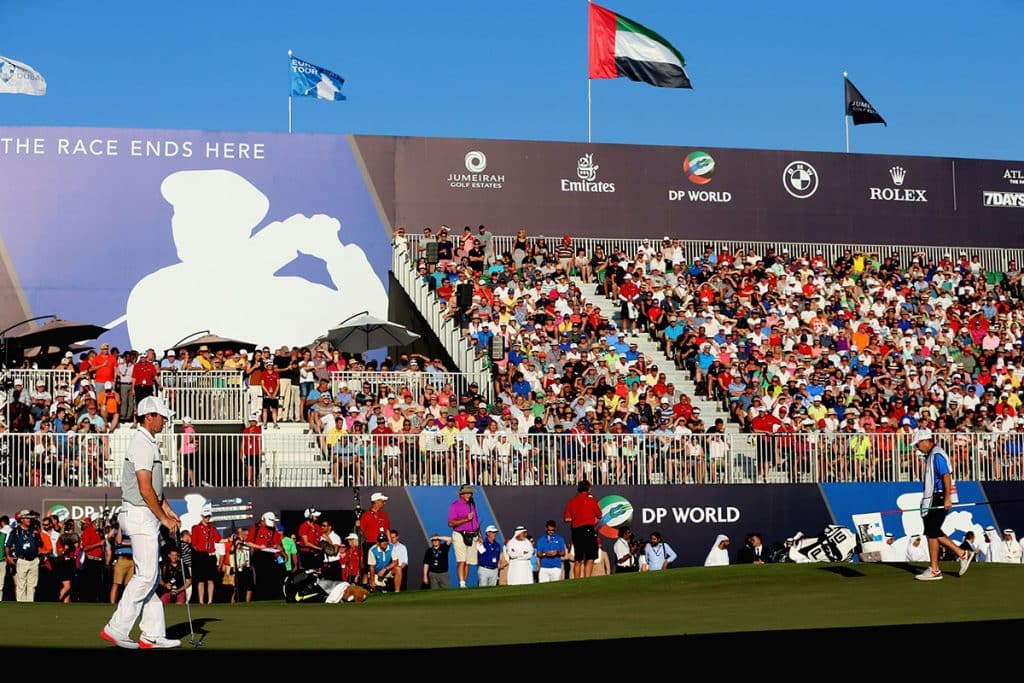
The Gulf region is no longer just hosting sports events; it is building an entire sports economy. From packed stadiums in Saudi Arabia to global motorsport circuits in the UAE and football academies rising across Qatar, sports has become a serious business across the Gulf. What once began as a branding exercise has now evolved into a diversified, revenue-driven industry with long-term ambitions.
As we approach 2026, the Gulf’s sports sector stands at a defining moment. Governments, private investors, global leagues, and fans are all shaping a market that blends entertainment, tourism, technology, and national pride. This article explores how the business of sports in the Gulf is growing, where the money is flowing, and what the future holds.
The Rise of Sports as a Strategic Economic Sector
Sports in the Gulf is no longer treated as leisure spending; it is a strategic investment. Countries across the region see sports as a tool for economic diversification, global influence, and youth engagement.
From Vision Statements to Real Assets
Saudi Arabia’s Vision 2030, the UAE’s long-term development strategies, and Qatar’s post-World Cup legacy plans have turned sports into infrastructure-heavy industries. Stadiums, training academies, sports cities, and athlete housing are being built not just for events, but for continuous use and monetisation.
This shift means sports now supports construction, media, retail, hospitality, logistics, and technology sectors, creating thousands of jobs and long-term revenue streams.
Sports as a Soft Power Engine
The Gulf understands that sports speaks a universal language. Hosting global events, owning clubs, and attracting elite athletes positions the region as modern, ambitious, and globally connected. This soft power element increases tourism, foreign investment, and international partnerships far beyond the field of play.
Investment Landscape: Where the Money Is Going
Sports investment in the Gulf is diverse, strategic, and increasingly data-driven. The focus is not only on headline-grabbing signings or mega-events, but on sustainable ecosystems.
Club Ownership and League Development
Gulf-backed ownership of international clubs has reshaped global football economics, but equally important is the investment at home. Domestic leagues are being professionalised with better governance, marketing, youth development, and broadcasting standards.
By 2026, Gulf leagues aim to be commercially competitive, not just regionally popular. Sponsorship deals, digital fan engagement, and international broadcasting rights are key growth areas.
Infrastructure and Smart Stadiums
New stadiums are being designed as multi-purpose assets rather than single-event venues. Retail outlets, museums, hotels, and entertainment zones are integrated into sports complexes, ensuring year-round footfall.
Technology plays a central role. Smart ticketing, biometric entry, cashless payments, and data analytics are improving fan experience while generating valuable commercial insights.
Sports Tourism and Event Hosting
Sports tourism has become one of the fastest-growing segments. Formula 1 races, boxing championships, tennis tournaments, golf tours, and football finals attract high-spending visitors who stay longer and spend more.
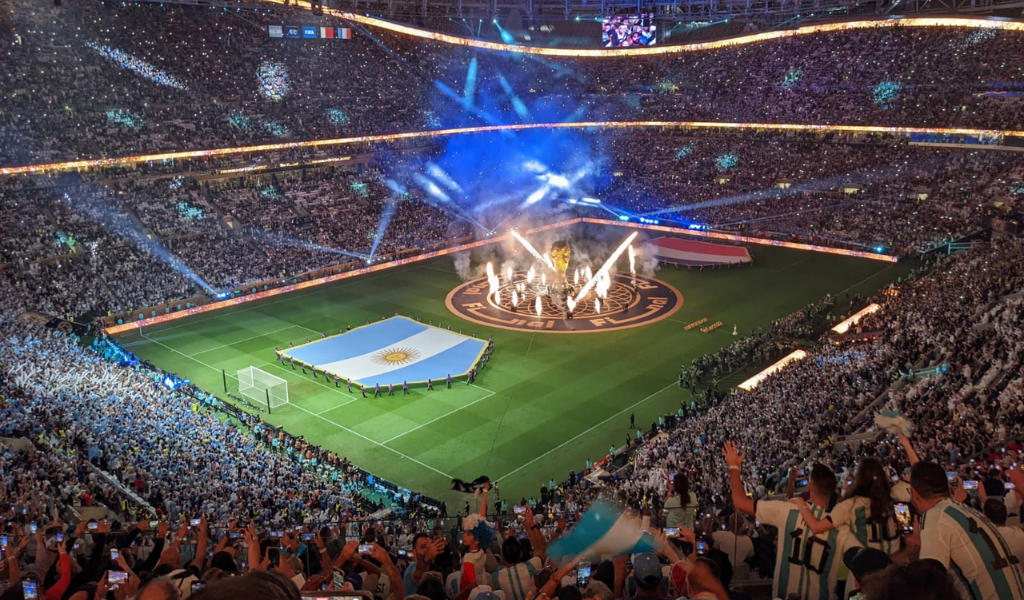
By 2026, the Gulf is expected to host a packed calendar of global and regional events, turning sports into a reliable tourism pillar rather than seasonal activity.
The Role of Media, Streaming, and Content Monetisation
Modern sports business is driven by content, and the Gulf is investing heavily in owning and distributing sports narratives.
Broadcasting Rights and Regional Platforms
Local and regional broadcasters are competing aggressively for rights, while global streaming platforms see the Gulf as a premium growth market. Exclusive content, behind-the-scenes access, and athlete-driven storytelling are becoming major revenue drivers.
This shift allows leagues and clubs to monetise fans beyond stadium attendance, reaching millions across the Middle East, Asia, and Africa.
Athlete Branding and Influencer Economy
Athletes in the Gulf are increasingly positioned as brands. Endorsements, social media collaborations, and lifestyle partnerships extend revenue beyond salaries.
By 2026, athlete-led content, podcasts, training platforms, and personal brands are expected to become mainstream business verticals.
Youth Development and Grassroots as Long-Term Assets
One of the most significant changes in Gulf sports investment is the focus on grassroots development.
Academies, Schools, and Community Leagues
Football, cricket, motorsports, combat sports, and athletics academies are expanding rapidly. These institutions are not just talent factories; they are businesses offering training, memberships, events, and sponsorship opportunities.
Parents, schools, and communities are increasingly involved, creating a sustainable base for future professional leagues and national teams.
Women’s Sports as a Growth Market
Women’s sports is emerging as a powerful growth segment. Increased participation, media coverage, sponsorship, and professional leagues are opening new commercial opportunities.
By 2026, women’s sports in the Gulf is expected to attract dedicated sponsors and audiences, adding diversity and depth to the overall sports economy.

Technology, Innovation, and Sports Startups
The Gulf’s appetite for innovation is transforming sports into a tech-enabled industry.
Sports Tech and Data Analytics
From performance tracking and injury prevention to fan engagement apps and AI-driven coaching tools, sports tech startups are finding strong support across the region.
Incubators, accelerators, and government-backed funds are encouraging entrepreneurs to build solutions tailored to local and global markets.
Esports and Gaming as a Parallel Economy
Esports is no longer a niche segment. With young populations and high digital adoption, the Gulf is positioning itself as a global esports hub.
Dedicated arenas, professional teams, sponsorships, and international tournaments are turning gaming into a serious commercial industry alongside traditional sports.
Private Sector and Brand Partnerships
While governments laid the foundation, private companies are now driving scale and innovation.
Sponsorships Beyond Logos
Brands are moving away from simple logo placements toward storytelling partnerships. Fitness initiatives, youth programs, sustainability campaigns, and fan experiences create deeper emotional connections.
This approach benefits both sports organisations and brands, delivering measurable engagement rather than passive exposure.
Retail, Merchandise, and Licensing Growth
Official merchandise, lifestyle apparel, and limited-edition collaborations are becoming significant revenue streams. Gulf-based teams and events are increasingly appealing to international consumers through e-commerce and global shipping.
Challenges That Will Shape the Next Phase
Despite rapid growth, the business of sports in the Gulf faces challenges that will influence its 2026 outlook.
Sustainability and Profitability
Balancing high investment with long-term returns remains critical. Stakeholders are now focusing on profitability, operational efficiency, and audience loyalty rather than short-term visibility.
Talent Retention and Local Identity
Attracting global stars brings attention, but nurturing local talent builds authenticity. Successful sports economies need a balance between international appeal and regional identity.
Regulatory Alignment and Governance
Clear regulations, transparent governance, and consistent policies across countries will be essential to attract global investors and maintain credibility.
Outlook for 2026: A Mature and Confident Sports Economy
By 2026, the Gulf’s sports industry is expected to move from rapid expansion to strategic consolidation. The focus will shift toward refining fan experiences, optimising revenue models, and exporting sports expertise to other regions.
The Gulf will not just host world-class sports; it will design, finance, broadcast, and innovate them. Sports will stand alongside tourism, finance, and technology as a core economic pillar.
Final Thoughts: More Than a Game
The business of sports in the Gulf is about ambition, identity, and future generations. It reflects a region investing not only in stadiums and stars, but in people, communities, and global connections.
As 2026 approaches, one thing is clear: in the Gulf, sports is no longer just played. It is built, branded, and scaled as one of the most powerful industries of the future.
Do follow Gulf Magazine on Instagram.
Also Read – UAE Cricket’s Rise to the World Stage Ahead of T20 World Cup 2026

