


The Diwan of the Royal Court is one of the most important positions in a monarchy. This role has existed for centuries and plays a key part in running a kingdom smoothly. But what exactly does the Diwan do? Why is this role so important? Let’s take a closer look at the history, responsibilities, and impact of the Diwan.
Who is the Diwan?
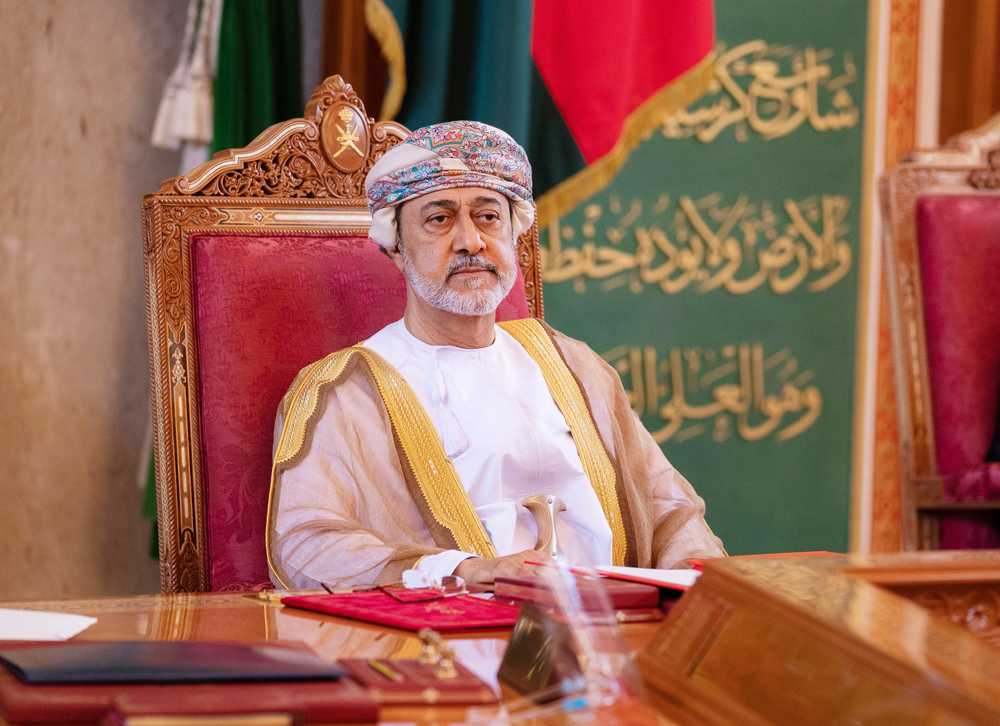
The Diwan is the chief officer of the royal court. In simple words, he is like the head administrator of the kingdom. He works closely with the ruler, such as the king or sultan, to ensure that the government functions properly. The Diwan is responsible for handling official matters, managing state affairs, and making sure that the king’s decisions are carried out effectively.
Historically, the Diwan was a respected and powerful figure. In many kingdoms, the position was given to the most trusted and skilled person in the administration. Sometimes, the Diwan was even more powerful than the king’s ministers because he had direct access to the ruler. The title and authority of the Diwan varied across different cultures and time periods, but one thing remained common—his ability to influence the workings of the royal court and government.
What Are the Responsibilities of the Diwan?
The Diwan has many duties. Some of the key responsibilities include:
- Advising the King – The Diwan gives suggestions and advice to the ruler on important matters like politics, economy, and foreign relations. A wise Diwan can help shape policies that lead to prosperity and peace in the kingdom.
- Managing the Administration – He oversees the work of ministers and ensures that all departments function properly. Without the Diwan’s supervision, the government machinery could become inefficient and chaotic.
- Handling Royal Correspondence – All official letters, documents, and announcements go through the Diwan before reaching the king. This ensures that only the most important and relevant matters reach the ruler’s attention.
- Supervising Finances – In many royal courts, the Diwan takes care of the treasury, ensuring that the kingdom’s wealth is managed wisely. He monitors taxes, trade revenues, and expenditures to prevent financial mismanagement.
- Maintaining Order in the Court – The royal court is a place where nobles, advisors, and diplomats meet. The Diwan ensures that everything runs smoothly and that the ruler’s orders are followed. He also resolves conflicts between court members and prevents power struggles.
- Representing the Kingdom – In some cases, the Diwan also meets with foreign dignitaries and represents the king in important meetings. His diplomatic skills are crucial in maintaining good relations with neighboring states.
- Overseeing Law and Justice – In some historical monarchies, the Diwan played a role in maintaining justice. He ensured that laws were enforced fairly and sometimes acted as a mediator in legal disputes.
- Supervising Infrastructure Projects – Many great Diwans were responsible for building roads, irrigation systems, and public buildings. Their administrative efficiency helped improve the lives of ordinary citizens.
The Influence of the Diwan

Because of his close relationship with the ruler, the Diwan often had significant influence over royal decisions. He could shape policies, recommend officials for key positions, and even settle disputes within the court. This made the role very powerful.
In history, there have been many famous Diwans who left a lasting impact on their kingdoms. Some helped improve trade and economy, while others played crucial roles in times of war and peace negotiations. However, some Diwans also misused their power, leading to corruption and conflicts in the court.
For example, in some historical Islamic empires, the Diwan was responsible for overseeing taxation and financial management. A competent Diwan ensured that wealth was fairly distributed, while a corrupt one could exploit the system for personal gain. Similarly, in the Mughal Empire, the Diwan played a key role in revenue collection and governance, influencing the kingdom’s economic stability.
The Diwan in Modern Times
In today’s world, many countries no longer have royal courts, but in places where monarchies still exist, the Diwan’s role has changed. Now, he often serves as a senior advisor or secretary to the king, handling official matters and government relations. While he may not have the same level of power as in the past, the Diwan remains an important figure in royal administration.
In constitutional monarchies, where kings and queens have symbolic roles, the duties of the Diwan are often performed by government officials like prime ministers or chief secretaries. However, in traditional monarchies such as those in the Middle East, the Diwan still plays a crucial role in governance and decision-making.
The modern Diwan’s responsibilities may include overseeing royal charities, organizing state events, and maintaining diplomatic ties with other nations. In some countries, the royal Diwan acts as an office that manages the personal affairs of the monarch and serves as a bridge between the royal family and the public.
Challenges Faced by the Diwan
Although the position of Diwan is prestigious, it comes with many challenges. Some of these include:
- Balancing Power and Responsibility – A Diwan must be careful not to overstep his authority while still ensuring that the administration runs smoothly.
- Dealing with Political Rivalries – As a powerful figure, the Diwan may face opposition from other court members who seek influence.
- Maintaining Loyalty and Integrity – It is crucial for the Diwan to remain loyal to the ruler and the state while avoiding corruption.
- Adapting to Modern Changes – As monarchies evolve, the role of the Diwan must adapt to modern governance structures and administrative systems.
Conclusion
The Diwan of the Royal Court is more than just an official title—it is a position of great responsibility and influence. From advising the ruler to managing state affairs, the Diwan plays a crucial role in ensuring the stability and success of a kingdom. Even though times have changed, the importance of this role in history cannot be ignored.
The legacy of the Diwans continues to inspire leaders and administrators around the world today. Whether in ancient palaces or modern government offices, the principles of good governance, wisdom, and service that defined the Diwan’s role remain relevant. Understanding the history and duties of the Diwan helps us appreciate the complexity and significance of royal administration, both in the past and in present times.
Do follow on Instagram

