

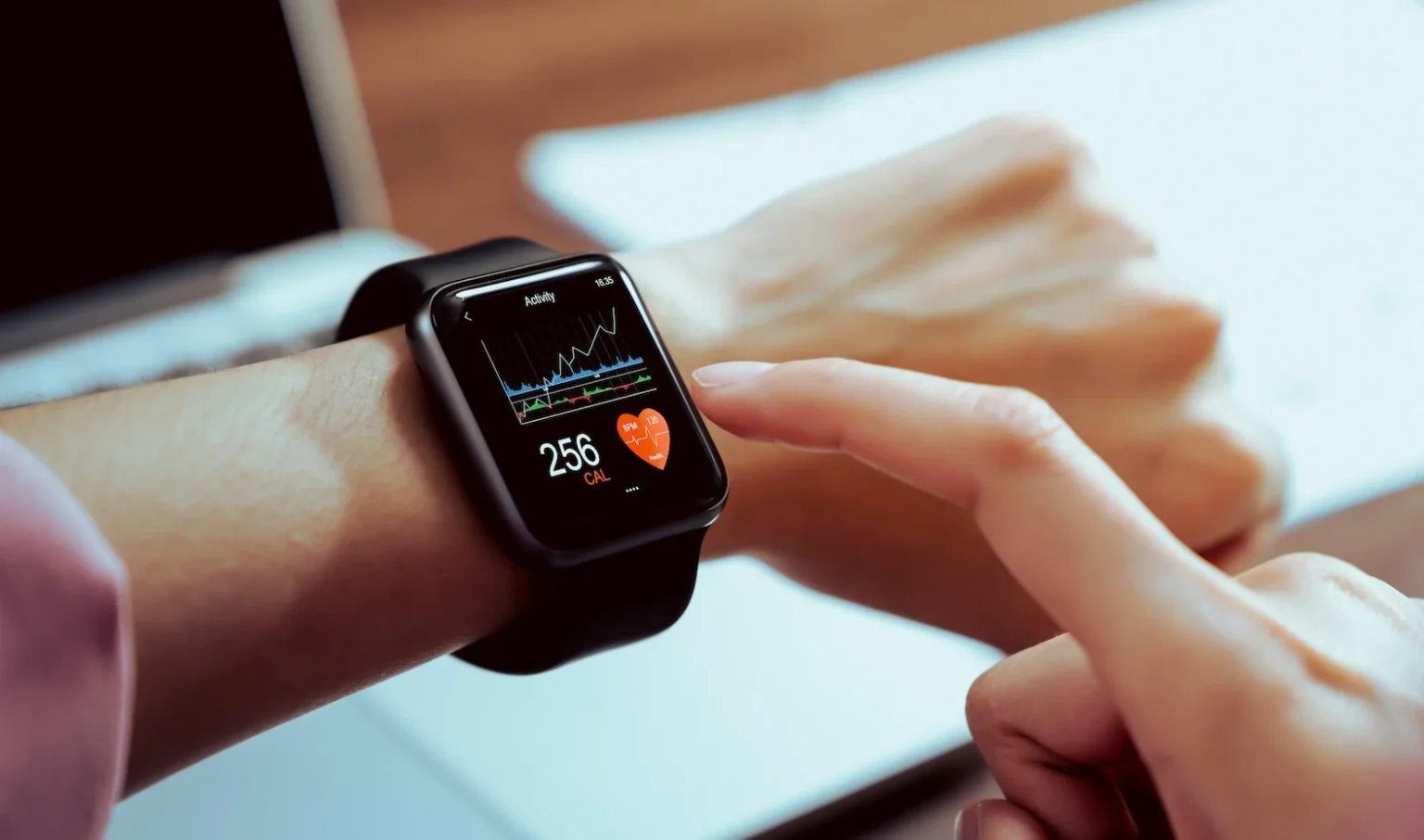
In the past decade, Kuwait has seen a remarkable transformation in how people view health, wellness, and technology. A nation known for its strong cultural values and dynamic lifestyle is now embracing a digital revolution that extends well beyond smartphones and social media. One of the most significant shifts is the rise of smart wearables and fitness technology. From fitness trackers that monitor daily steps to advanced smartwatches that measure heart rate and sleep cycles, these innovations are becoming an essential part of everyday life in Kuwait. This growth is not only shaping the way individuals approach fitness but also redefining healthcare, lifestyle, and community well-being.
The Changing Lifestyle in Kuwait
Kuwait has long been known for its rich cuisine and hospitality, but with modernization came lifestyle challenges such as sedentary habits and health concerns like obesity and diabetes. As awareness of these issues has grown, many Kuwaitis have begun to prioritize healthier choices. Alongside this cultural shift, technology has stepped in as a powerful motivator. Wearable devices have become an accessible and engaging way to track progress, set goals, and stay accountable. Whether it’s a teenager using a smartwatch to monitor activity or an office worker checking calorie counts during the day, the technology fits seamlessly into Kuwait’s evolving lifestyle.
The Appeal of Smart Wearables
One of the main reasons smart wearables have become so popular in Kuwait is their simplicity and convenience. Instead of visiting a clinic or relying solely on occasional checkups, individuals can now monitor their health in real-time. Devices such as Apple Watch, Fitbit, and Samsung Galaxy Watch have made it possible for users to receive instant updates on their heart rate, oxygen levels, and even stress patterns. This information empowers people to make small but meaningful adjustments to their daily lives.
Another appeal lies in the social aspect. Fitness apps linked to wearables allow friends, families, and communities to connect, compete, and support each other. In Kuwait, where community life is highly valued, these shared experiences bring an added motivation to adopt healthier habits.
Fitness Tech and the Rise of Smart Gyms
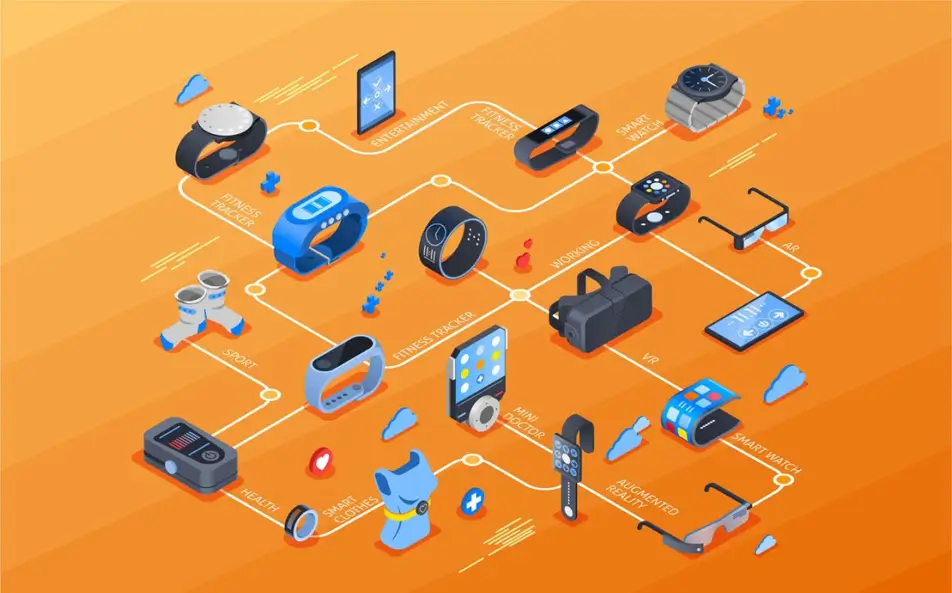
The fitness industry in Kuwait has also embraced the wave of smart technology. Gyms and fitness centers are now integrating wearables into training programs, offering personalized plans that are tracked digitally. Smart equipment that connects with wearable devices is helping trainers and clients monitor progress more effectively. This digital ecosystem enhances motivation while giving people greater control over their fitness journeys.
For many Kuwaitis, this blend of physical and digital fitness creates a new kind of experience one that is immersive, engaging, and results-driven. Virtual training sessions, AI-powered fitness apps, and even VR-based workouts are making exercise not only efficient but also exciting.
A Growing Market for Smart Devices
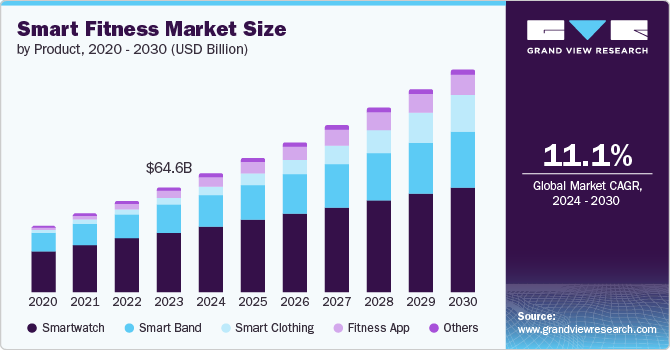
The market for smart wearables in Kuwait is expanding rapidly. As global brands recognize the country’s appetite for innovative technology, they are introducing more advanced models tailored to local needs. From waterproof devices designed for swimming in the Gulf’s warm waters to Arabic language integrations in apps, companies are adapting to meet the expectations of Kuwaiti users.
This demand is also fueled by the younger generation, who are tech-savvy and eager to stay ahead of global trends. With rising purchasing power and increasing awareness about health, smart wearables have transitioned from being luxury gadgets to everyday essentials for many families.
Health Benefits and Preventive Care
Perhaps the most significant impact of smart wearables in Kuwait is in the area of preventive healthcare. Kuwait faces challenges such as rising rates of diabetes, high cholesterol, and heart-related conditions. Wearables that track blood oxygen levels, pulse rates, and activity patterns play a vital role in detecting early warning signs. By offering daily insights into physical health, these devices encourage preventive care and reduce the risk of long-term complications.
Doctors and healthcare providers are also beginning to see the value of this technology. Some clinics are integrating wearable data into consultations, giving medical professionals a more comprehensive view of a patient’s lifestyle. This creates a stronger partnership between individuals and their doctors, leading to better healthcare outcomes.
The Role of Government and Institutions
Government initiatives and private institutions in Kuwait are increasingly supportive of fitness technology. National campaigns promoting healthy lifestyles often encourage citizens to use fitness apps and wearable devices. Schools and universities are also beginning to introduce smart fitness tools to engage students in physical activities, ensuring that health awareness starts at a young age.
These efforts are not just about fitness but about building a healthier, more active society. With obesity and lifestyle-related conditions posing long-term risks, the widespread adoption of wearable technology becomes an investment in the nation’s well-being.
Technology and Cultural Adaptation
Kuwait’s cultural fabric plays an important role in how smart wearables are adopted. Family-oriented lifestyles mean that wellness goals are often shared among relatives, creating a ripple effect of motivation. For instance, parents who use fitness trackers often encourage their children to adopt the same habits. Women’s fitness, which has gained more attention in recent years, is also seeing a boost through tech-based platforms that allow personalized and private monitoring.
This cultural adaptation is one of the reasons why fitness tech has taken root so quickly. Rather than replacing traditions, smart wearables complement them, helping Kuwaitis balance modern innovations with cultural values.
The Emotional Connection with Technology
Another interesting aspect of this growth is the emotional connection people form with their devices. A fitness tracker does more than count steps it becomes a daily companion, reminding users to stand, move, and care for themselves. In Kuwait, where busy lifestyles and long work hours are common, this gentle nudge is often the difference between staying active and falling into inactivity.
Many users share stories of how their wearable motivated them to walk more, eat better, or even detect a health issue early. These personal success stories drive further adoption, making technology not just a tool but a trusted partner in health.
The Future of Wearables in Kuwait
Looking ahead, the future of smart wearables and fitness tech in Kuwait is incredibly promising. Advancements in artificial intelligence, biometric tracking, and personalized health insights will make these devices even more powerful. We can expect wearables that monitor hydration levels in the hot Kuwaiti climate, devices that offer advanced sleep pattern analysis, and AI-driven apps that provide real-time dietary recommendations.
As 5G technology spreads, the connectivity of wearables will also improve, enabling smoother integration with healthcare providers, gyms, and wellness platforms. The future points towards a fully connected ecosystem where personal health, fitness, and medical care work hand in hand.
Challenges Along the Way
Despite the rapid growth, there are challenges that need to be addressed. The cost of advanced smart devices may still be a barrier for some families, limiting access to the benefits of wearable technology. Data privacy is another concern, as individuals want to ensure their personal health information is secure.
However, as competition in the market increases and government regulations strengthen, these challenges are likely to be minimized. Affordability, accessibility, and security will be key areas for continued growth in Kuwait’s fitness tech industry.
Conclusion
The rise of smart wearables and fitness technology in Kuwait reflects a broader global movement towards healthier, more connected living. What makes Kuwait unique is how quickly this technology has blended into the cultural and social fabric of the nation. From gyms and schools to homes and hospitals, smart wearables are transforming not only fitness routines but also overall well-being.
This movement is more than a trend it is a lifestyle evolution. The combination of cultural values, modern aspirations, and cutting-edge technology is creating a healthier future for Kuwait. As the country continues to embrace innovation, smart wearables will remain at the heart of this transformation, empowering individuals to live stronger, smarter, and healthier lives.
Also Read – Kuwait Harnesses Artificial Intelligence for Smarter Oil Exploration

