

Introduction
The UEFA Champions League is one of the most prestigious tournaments in club football, captivating fans around the globe with its thrilling matches and elite competition. Established in 1955, this annual competition features the best clubs from various European leagues, all vying for the coveted title. The tournament not only showcases incredible talent but also generates significant revenue and boosts the profiles of participating clubs.
In this article, we will explore the history, format, and significance of the UEFA Champions League, as well as its impact on clubs and fans alike.
The History of the UEFA Champions League
The UEFA Champions League began as the European Cup in the mid-20th century. The inaugural season saw 16 teams compete, with Real Madrid emerging as the first-ever winner. Over the years, the tournament evolved, and in 1992, it was rebranded as the UEFA Champions League, allowing for a more inclusive format.
- Notable Teams: Clubs like Liverpool, AC Milan, and Barcelona have left an indelible mark on the tournament’s history.
- Historic Matches: Memorable encounters, such as the 2005 final between Liverpool and AC Milan, have become part of football folklore.
The format allows for a group stage followed by knockout rounds, leading up to the grand final, which is often held in iconic stadiums across Europe.
The Format of the UEFA Champions League
The UEFA Champions League consists of several stages, each designed to create a fair and competitive environment.
Group Stage
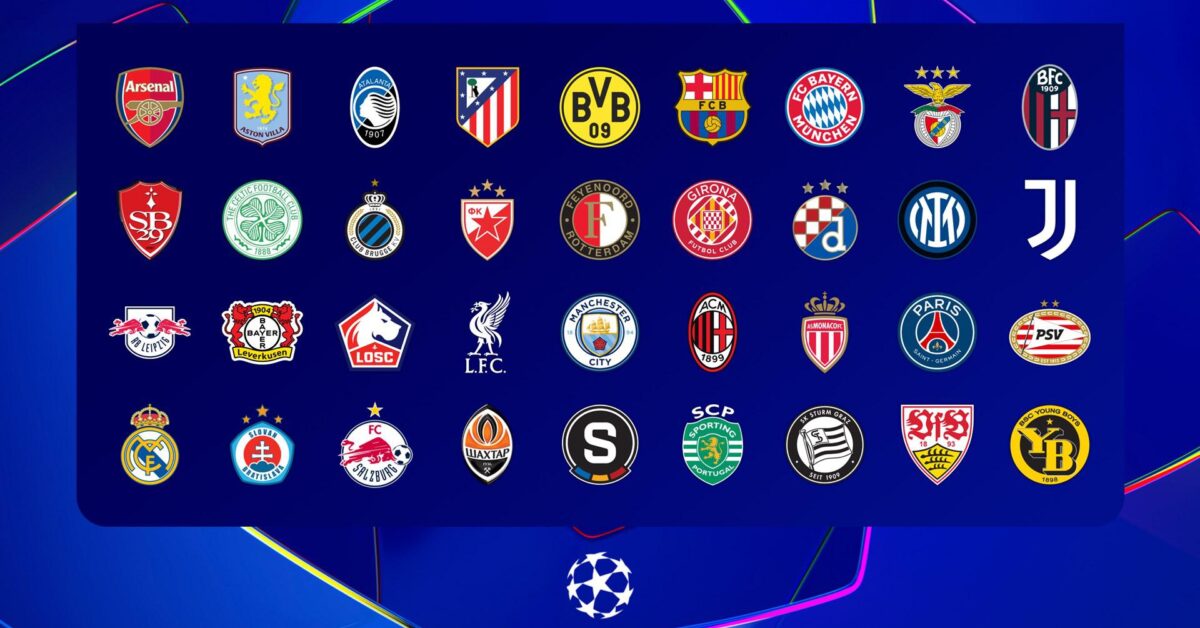
- Teams: 32 teams are divided into 8 groups of 4.
- Matches: Each team plays six matches, three at home and three away.
- Qualification: The top two teams from each group advance to the knockout stage.
Knockout Stage
- Round of 16: The first seeded teams face the second seeded teams from the group stage.
- Quarterfinals and Semifinals: The competition narrows down, leading to two-legged fixtures.
- Final: The two remaining teams compete for the title in a single match, often in a neutral city.
The knockout format ensures that every match is critical, heightening the stakes and excitement for players and fans.
Significance of the UEFA Champions League
The UEFA Champions League is significant not only for its competitive spirit but also for its economic impact on clubs and the sport itself.
- Financial Windfall: Participation in the tournament brings substantial financial rewards through broadcasting rights, sponsorships, and ticket sales.
- Player Development: Clubs often showcase young talent on a grand stage, providing opportunities for players to impress scouts and fans alike.
- Global Exposure: The matches attract millions of viewers worldwide, enhancing the visibility of the clubs involved.
The tournament has also fostered rivalries that have become central to European football culture, making it a must-watch event annually.
Impact on Clubs and Fans
The UEFA Champions League affects both clubs and their supporters in profound ways.
For Clubs
- Brand Growth: Success in the tournament can elevate a club’s profile, attracting lucrative sponsorship deals and global fans.
- Talent Acquisition: Clubs performing well in the Champions League often have an easier time recruiting top players who want to compete at the highest level.
For Fans
- Emotional Investment: The highs and lows of the tournament create deep emotional ties for fans, making every match an event to remember.
- Fan Engagement: Clubs engage with their supporters through various platforms, enhancing the overall fan experience.
The culmination of these factors makes the UEFA Champions League an essential part of the football calendar and culture.
Conclusion
The UEFA Champions League stands as a pinnacle of club football, bringing together elite teams and passionate fans. Its rich history, competitive format, and significant impact on clubs and supporters alike underscore its importance in the world of sports. As the tournament continues to evolve, it remains a beacon of excellence in football, promising thrilling moments for years to come.
FAQ
Q1: When does the UEFA Champions League start?
The UEFA Champions League typically begins with the qualification rounds in June and the group stage in September.
Q2: How many teams participate in the UEFA Champions League?
A total of 32 teams participate in the group stage, which is part of a larger qualification process involving more teams.
Q3: What is the prize for winning the UEFA Champions League?
The winner receives a trophy, a cash prize, and automatic qualification for the next season’s Champions League and the UEFA Super Cup.
Q4: Which team has won the most UEFA Champions League titles?
Real Madrid holds the record with 14 titles, making them the most successful club in the tournament’s history.
Q5: How does the knockout stage work?
The knockout stage features a series of matches where teams play home and away legs, with the aggregate score determining who advances.
Q6: Can teams from different countries participate?
Yes, clubs from various European leagues participate, representing their respective countries in this prestigious tournament.

