

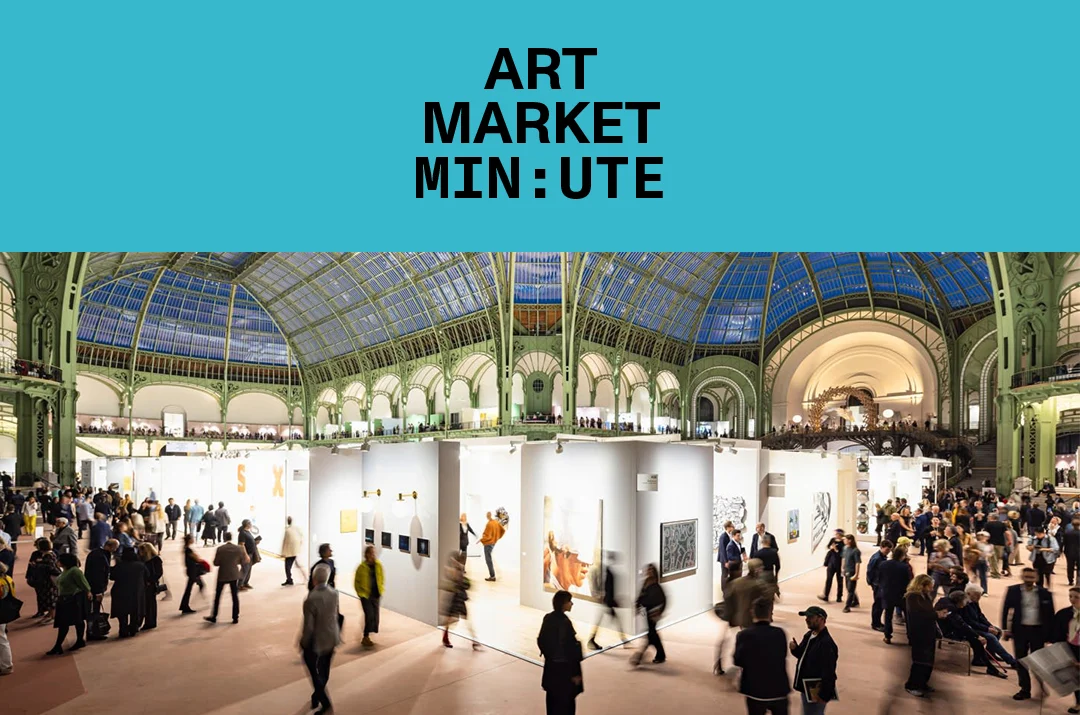
The art market is experiencing a significant transformation, with the Middle East, particularly Qatar, emerging as a focal point for investment and cultural exchange. This vibrant region is not just an emerging player; it is swiftly becoming a powerhouse in the global art scene. As collectors, institutions, and artists turn their attention to the Middle East, it is essential to explore the dynamics shaping this market and the implications for the future.
Qatar: A Cultural Hub for Artistic Innovation
Qatar stands at the forefront of this burgeoning art market. With its ambitious cultural projects and investments in art institutions, the nation is crafting a unique identity that celebrates both contemporary and traditional art. The Qatar Museums Authority, led by a vision to enhance the local art landscape, has been pivotal in nurturing artistic talent and attracting international exhibitions.
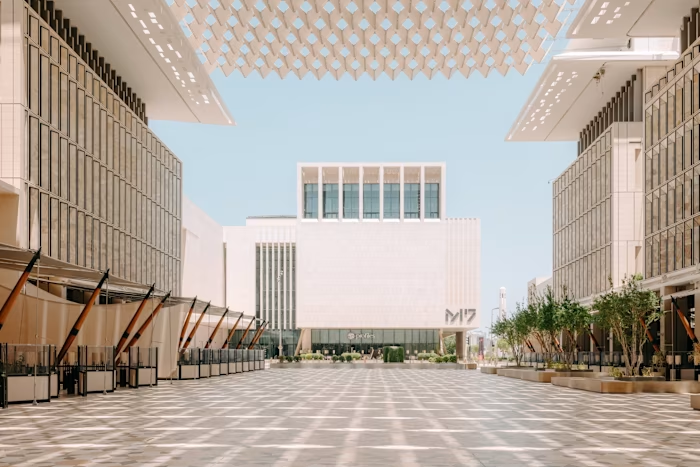
The investment in cultural infrastructure is remarkable. The Museum of Islamic Art, designed by I.M. Pei, and the upcoming National Museum of Qatar, which showcases the nation’s history through innovative design, reflect a commitment to art as a means of cultural expression. These institutions not only elevate the status of art in Qatar but also serve as platforms for international artists, creating a dialogue between local and global art scenes.
The Growing Influence of Art Fairs and Auctions
Art fairs and auctions are critical in shaping the art market in the Middle East. Events like Art Doha and the Qatar International Art Festival attract global attention, featuring local artists alongside international heavyweights. These gatherings are not merely commercial; they foster a sense of community and encourage cultural exchange.
Auction houses such as Sotheby’s and Christie’s have recognized the potential of the Middle Eastern market, hosting auctions that spotlight both contemporary and classical pieces. The increasing demand for art from this region is indicative of a broader trend where collectors seek diverse voices and narratives. As the art market is betting on the Middle East, the spotlight on Qatar is brighter than ever.
Artists Shaping the Narrative
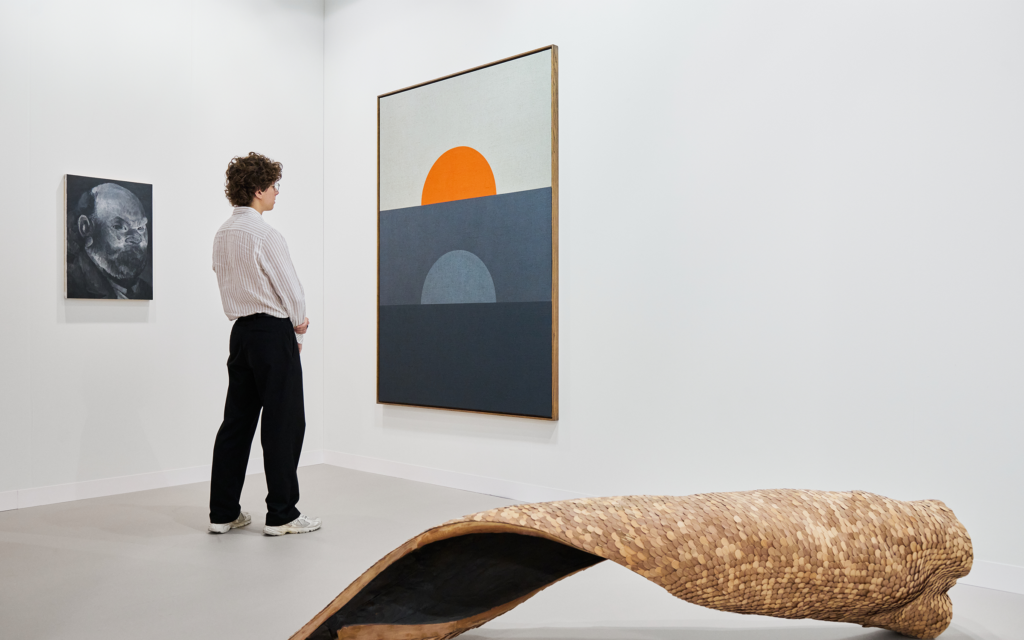
The contemporary art scene in Qatar features a blend of local and international talent that reflects the region’s rich heritage and modern aspirations. Artists like Ahmed Mater and Shirin Neshat are gaining recognition, using their work to comment on cultural identity, social issues, and the complexities of modern life in the Middle East.
Emerging artists are also finding a platform through initiatives like the Qatar Art Society and the Doha Fire Station’s artist-in-residence program. These initiatives not only provide physical space but also mentorship, allowing new voices to emerge and contribute to the evolving narrative of the Middle Eastern art market.
The Role of Government and Private Sector Support
Government initiatives play a crucial role in the development of the art market in Qatar. The Qatar National Vision 2030 emphasizes cultural development as a key pillar of the nation’s growth. This vision has led to increased funding for the arts and the establishment of institutions that promote creativity and innovation.
Private sector involvement has also seen a surge, with corporations sponsoring art events and exhibitions, further intertwining the arts with economic development. This collaborative spirit between the government and private entities enhances the visibility and viability of the art market, making it a lucrative investment opportunity for both local and international stakeholders.
The Global Perspective: What Lies Beyond Qatar?
While Qatar is a key player, the Middle East’s art market extends far beyond its borders. Countries like the United Arab Emirates, particularly Dubai, are also making significant strides. The establishment of art districts, galleries, and museums has turned Dubai into a global art destination, attracting collectors and artists from around the world.
This interconnectedness enriches the art market in the Middle East, as artists and collectors share ideas, collaborate, and create a vibrant cultural tapestry. As the market grows, the potential for cross-cultural dialogue increases, allowing for a deeper understanding of both regional and international art narratives.
Future Prospects: A Bright Horizon for the Art Market
Looking ahead, the art market in the Middle East, with Qatar at its helm, promises to thrive. The commitment to nurturing talent, expanding cultural infrastructure, and fostering international collaborations will continue to fuel growth. As the art market is betting on the Middle East, it is essential for stakeholders to remain agile and responsive to emerging trends and shifts in the global art landscape.
The increasing interest from collectors and investors indicates a bright future for the region’s art scene. As Qatar and its neighbors continue to evolve artistically, the world will undoubtedly be watching closely.
In conclusion, the art market is betting on the Middle East perspectives from Qatar and beyond reveal a dynamic interplay of culture, investment, and innovation. As this vibrant region continues to blossom, it is poised to redefine the art world, offering new narratives and opportunities for artists and collectors alike.
Do follow Gulf Magazine on Instagram.
Also Read – GCC Fiscal Policy Trends Amid Oil Price Volatility

