

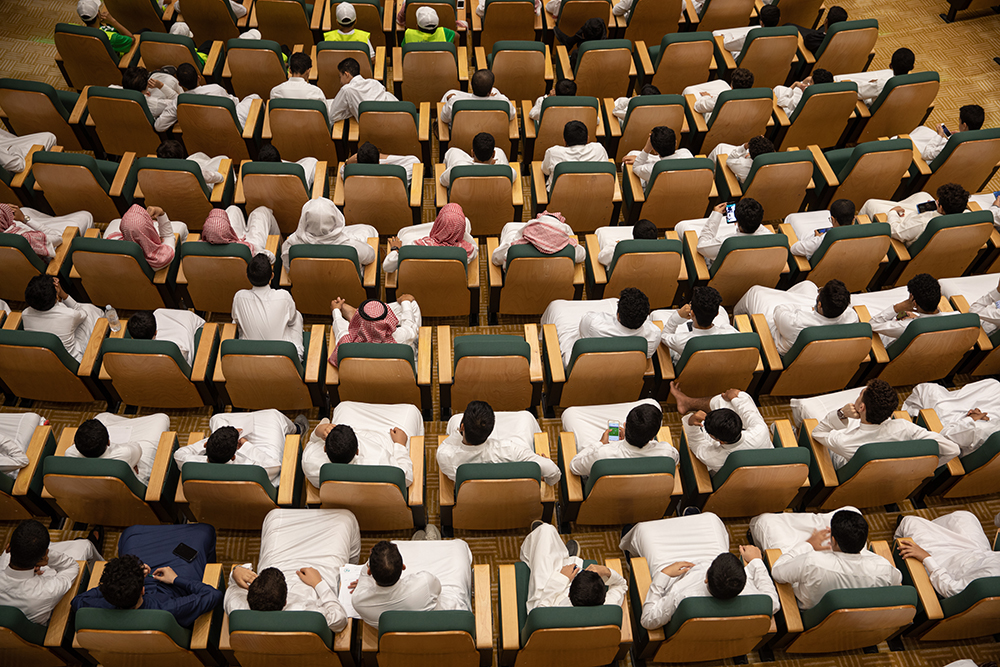
The Rise of Private Education in Saudi Arabia is reshaping the future of learning in the Kingdom. With more parents choosing private institutions over public schools, it’s important to understand the reasons behind this growing shift and its impact on society. From better facilities to global curriculums, private schools are becoming a popular choice among Saudi families.
This educational trend comes with many benefits, but also brings some concerns that deserve attention. In this article, we’ll explore the main advantages and disadvantages of this development, and what it means for students, parents, and the nation’s future.
1. Higher Quality of Education
One of the biggest reasons for the rise of private education in Saudi Arabia is the high standard of teaching. Private schools often follow international curriculums such as the British, American, or IB systems. These curriculums offer modern teaching techniques, up-to-date resources, and a focus on creative thinking and problem-solving.
Unlike many public schools that stick to traditional rote learning, private schools encourage active participation and critical thinking. This approach helps students prepare for top universities and global careers.
2. Focus on English and Global Skills
English language learning is a major focus in private institutions. While public schools teach English, private schools often offer full or partial instruction in English, preparing students for global opportunities. With Saudi Arabia opening up more to international trade, tourism, and technology, English proficiency has become a key skill.
Private schools also offer programs in science, technology, engineering, and math (STEM) that match global standards. These programs help students compete internationally and align with Saudi Vision 2030’s goals for a knowledge-based economy.
3. Better Infrastructure and Resources
The Rise of Private Education in Saudi Arabia is partly due to better infrastructure. Private schools invest heavily in facilities such as science labs, computer rooms, libraries, and sports complexes. This creates a learning environment that motivates students and supports their overall development.
Parents believe their children will get a more complete education in private schools, not just academically but also in arts, physical education, and leadership training. This well-rounded approach to learning is a big attraction for families looking for quality schooling.
4. Personalized Learning and Smaller Class Sizes
Private schools typically have smaller class sizes than public schools. This allows for more individual attention and personalized support for each student. Teachers can focus on different learning styles, identify weak areas, and support students more closely.
Personalized learning means better academic outcomes, fewer students falling behind, and a more engaging classroom experience. For parents, this individual attention is one of the most important benefits of private education.
5. Increased Competition and Tuition Burden
However, the rise of private education in Saudi Arabia comes with its own set of problems. One of the biggest concerns is cost. Private school fees are often too high for average families. This creates a gap between wealthy and middle-income households, leading to unequal access to quality education.
Increased demand for private schooling also forces public schools to compete for students and resources, which can cause a decline in the quality of free education. This widening gap may negatively impact social equality and long-term national growth.
6. Risk of Commercialization
As private education becomes more popular and profitable, there’s a risk of turning learning into a business. Some schools may focus more on profits than student outcomes. This could affect the quality of teaching and lead to high turnover rates among staff.
Unregulated fee structures and a focus on marketing over academic excellence can reduce the value of private education in the long run. Parents need to research carefully before selecting a school to ensure their children receive a genuine quality education.
7. Cultural and Religious Concerns
Private schools often follow global curriculums, which may raise concerns about cultural identity. Some parents worry that international programs may not align fully with Saudi values and Islamic teachings.
Although many private schools offer Islamic studies and Arabic language classes, the overall environment might still differ from traditional expectations. Balancing modern education with cultural and religious values is an ongoing challenge that families and schools must address.
Government Efforts and Vision 203
The Saudi government is aware of these issues and has launched reforms under Vision 2030 to improve the public education system. New public-private partnerships aim to raise the standard of both sectors. The Ministry of Education is also working to regulate private school fees and ensure transparency and fairness.
At the same time, the government is encouraging investment in the education sector to reduce dependency on oil and build a knowledge-based economy. This makes education a key part of the nation’s future development.
Final Thoughts
The Rise of Private Education in Saudi Arabia reflects a desire for high-quality, global-standard learning. While private schools offer many benefits—such as modern teaching, strong English skills, and excellent facilities—they also bring challenges like high fees and potential inequality.
Parents, educators, and policymakers must work together to balance these pros and cons. With the right strategies, Saudi Arabia can create an education system that offers excellence, equality, and opportunity for all students.
Also Read – 7 Amazing Ways Kuwaiti Food Mixes Arabic, Persian, Indian Flavors

