

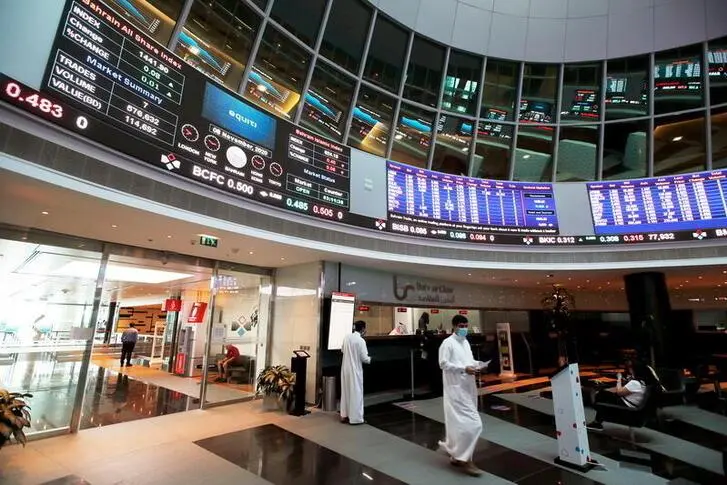
For years, Syria has been one of the Middle East’s most complex and emotionally charged battlegrounds. It has tested alliances, strained ambitions, and exposed the limits of power for even the most influential regional players. Turkey and Qatar once appeared firmly positioned as decisive actors shaping Syria’s political and military trajectory. Yet, quietly and methodically, Saudi Arabia has shifted the board.
This was not a loud victory. There were no dramatic announcements or forceful declarations. Instead, Saudi Arabia relied on patience, diplomacy, and long-term thinking. What we are witnessing today is a clear example of how strategic restraint, when combined with timing and regional credibility, can outperform louder and more aggressive approaches.
Understanding the Original Turkey-Qatar Play in Syria
To understand how Saudi Arabia outplayed Turkey and Qatar, it’s important to first see how Ankara and Doha positioned themselves in Syria.
Turkey’s Strategic Stakes
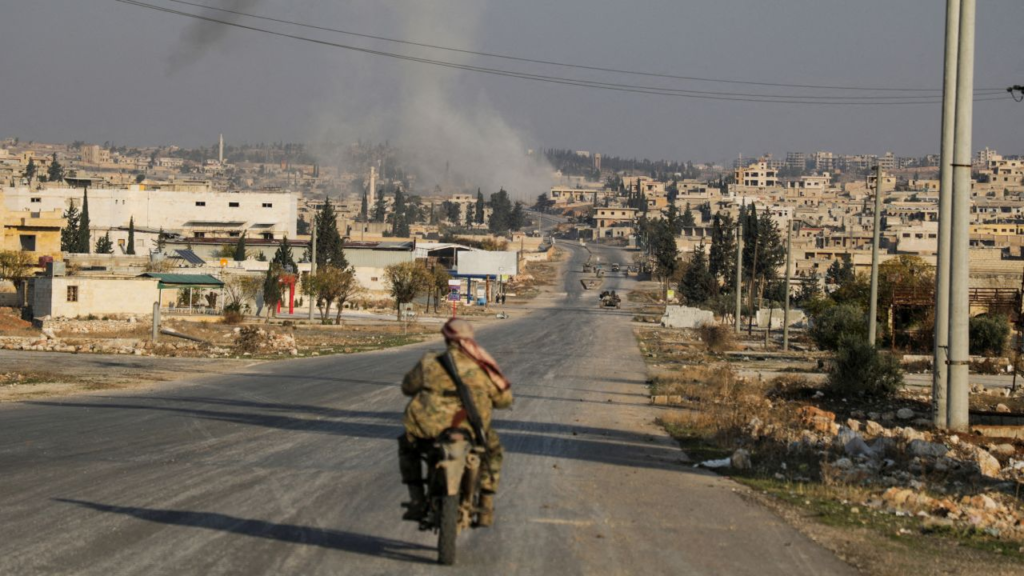
Turkey approached Syria with deep security concerns. Border stability, refugee flows, and Kurdish movements all directly affected Turkish domestic politics. Ankara invested heavily in shaping outcomes on the ground, using both military presence and political leverage. Its strategy was assertive, sometimes effective, but also costly and controversial.
Qatar’s Influence Through Networks
Qatar, on the other hand, played a softer yet ambitious role. It relied on financial backing, political connections, and media influence to amplify its voice. Doha positioned itself as a supporter of change and a sponsor of opposition narratives, seeking to punch above its geographic size.
For a time, this Turkey-Qatar alignment looked strong. They appeared aligned in vision and tactics, confident they could guide Syria’s future in their preferred direction.
Saudi Arabia’s Different Approach
Saudi Arabia did not rush into the Syrian arena with the same urgency. Instead, it observed, recalibrated, and waited.
From Confrontation to Calculated Engagement
Earlier Saudi policies in the region were often seen as reactive, driven by rivalry and immediate threats. In Syria, however, Riyadh adopted a more mature strategy. It recognized that endless confrontation would only deepen instability, not resolve it.
Rather than trying to dominate the battlefield, Saudi Arabia focused on rebuilding political relevance.
Diplomacy Over Megaphones
While others spoke loudly, Saudi Arabia spoke selectively. Quiet meetings, regional consultations, and behind-the-scenes negotiations became its tools of choice. This allowed Riyadh to reposition itself not as a factional player, but as a stabilizing force.
That shift in perception proved crucial.
Reclaiming Arab Leadership on Syria
One of Saudi Arabia’s most effective moves was re-centering Syria within an Arab framework.
Reducing Non-Arab Leverage

Turkey’s influence, while powerful, has always carried the perception of being external to Arab decision-making. Qatar’s reach, though Arab, often felt personalized rather than institutional. Saudi Arabia leveraged its standing as a leading Arab power to bring Syria back into regional Arab dialogue.
This subtly reduced the space for Turkey-Qatar dominance without direct confrontation.
Building Consensus Instead of Camps
Saudi Arabia avoided framing Syria as a zero-sum contest. Instead, it emphasized regional stability, gradual normalization, and pragmatic engagement. By doing so, it attracted support from multiple Arab states that were tired of prolonged conflict and polarization.
That consensus-building approach weakened the exclusivity Turkey and Qatar once enjoyed.
Timing That Changed Everything
Strategy is meaningless without timing, and this is where Saudi Arabia excelled.
Letting Others Absorb the Costs
Turkey bore the burden of military operations and refugee management. Qatar faced diplomatic pressure and regional isolation at various points. Saudi Arabia allowed these realities to unfold while preserving its diplomatic capital.
When fatigue set in, Riyadh stepped forward with solutions instead of slogans.
Offering a Way Forward
Saudi Arabia presented itself as a bridge between isolation and reintegration for Syria. That role appealed to many regional and international actors who were seeking an exit from years of deadlock.
In comparison, Turkey and Qatar appeared locked into positions that were increasingly difficult to sustain.
Economic Influence as Silent Power
Beyond diplomacy, Saudi Arabia understood the language of reconstruction and economic relevance.
The Promise of Stability
Syria’s future depends not just on politics but on rebuilding lives, cities, and institutions. Saudi Arabia’s economic weight gave it credibility when speaking about recovery and reintegration.
Unlike military influence, economic engagement signals long-term commitment. That message resonated.
Shifting the Conversation
Once the conversation moved from conflict to recovery, Saudi Arabia held the stronger cards. Turkey’s military leverage and Qatar’s media influence mattered less in discussions about regional normalization and economic revival.
This shift marked a turning point.
Why Turkey and Qatar Were Caught Off Guard
The Turkey-Qatar axis underestimated Saudi Arabia’s strategic evolution.
Misreading Saudi Intent
Many assumed Saudi Arabia would remain distant or reactive. Instead, Riyadh demonstrated adaptability and patience. By the time Turkey and Qatar realized the shift, Saudi Arabia had already secured broader regional backing.
Overextension vs. Consolidation
Turkey and Qatar invested heavily in specific outcomes. Saudi Arabia invested in flexibility. That difference allowed Riyadh to adjust as realities changed, while others struggled to recalibrate.
In geopolitics, adaptability often beats intensity.
What This Means for Syria
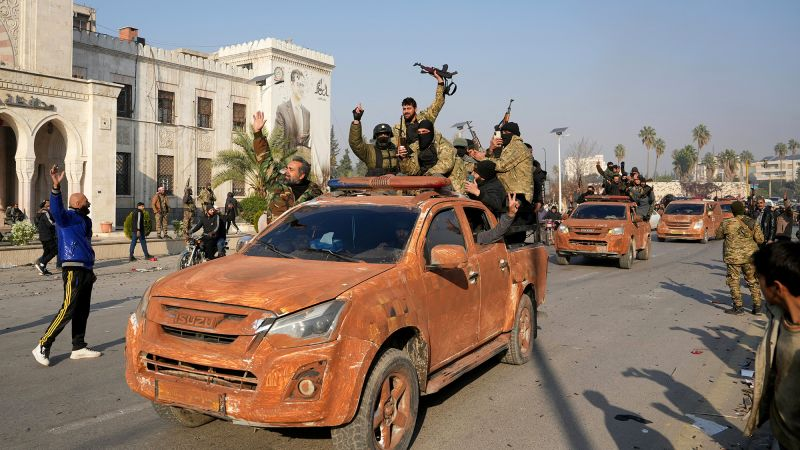
For Syria, Saudi Arabia’s move does not promise instant transformation, but it does offer something rare: a chance for regional reintegration without humiliation.
Gradual Normalization
Saudi Arabia’s approach encourages incremental steps rather than sudden overhauls. This lowers resistance and creates space for dialogue, even among rivals.
A More Balanced Regional Role
With Saudi Arabia acting as a central mediator, Syria’s future is less likely to be shaped by one or two dominant external players. That balance could reduce long-term instability.
The Bigger Regional Message
Saudi Arabia’s Syria play sends a powerful signal across the Middle East.
Power Is Evolving
Influence today is no longer just about troops or headlines. It is about credibility, patience, and the ability to convene others around shared interests.
Saudi Arabia demonstrated that modern regional leadership looks different from the past.
A New Saudi Playbook
This moment reflects a broader shift in Saudi foreign policy. Riyadh is choosing calculated engagement over impulsive rivalry, positioning itself as a problem-solver rather than a provocateur.
That evolution makes Saudi Arabia harder to counter and easier to trust.
Conclusion: A Quiet but Defining Victory
Saudi Arabia did not defeat Turkey and Qatar through force or confrontation. It outplayed them by changing the game itself.
By prioritizing diplomacy, Arab consensus, economic relevance, and precise timing, Riyadh reasserted its influence in Syria without triggering new conflicts. Turkey and Qatar remain important players, but their leverage no longer defines the direction alone.
In the complex chessboard of the Middle East, Saudi Arabia just proved that the most powerful moves are often the quietest ones.
Do Follow Gulf Magazine on Instagram
Read More:- Korea’s Bold Investment Move Unlocks Saudi Deep-Tech Growth 2026

