

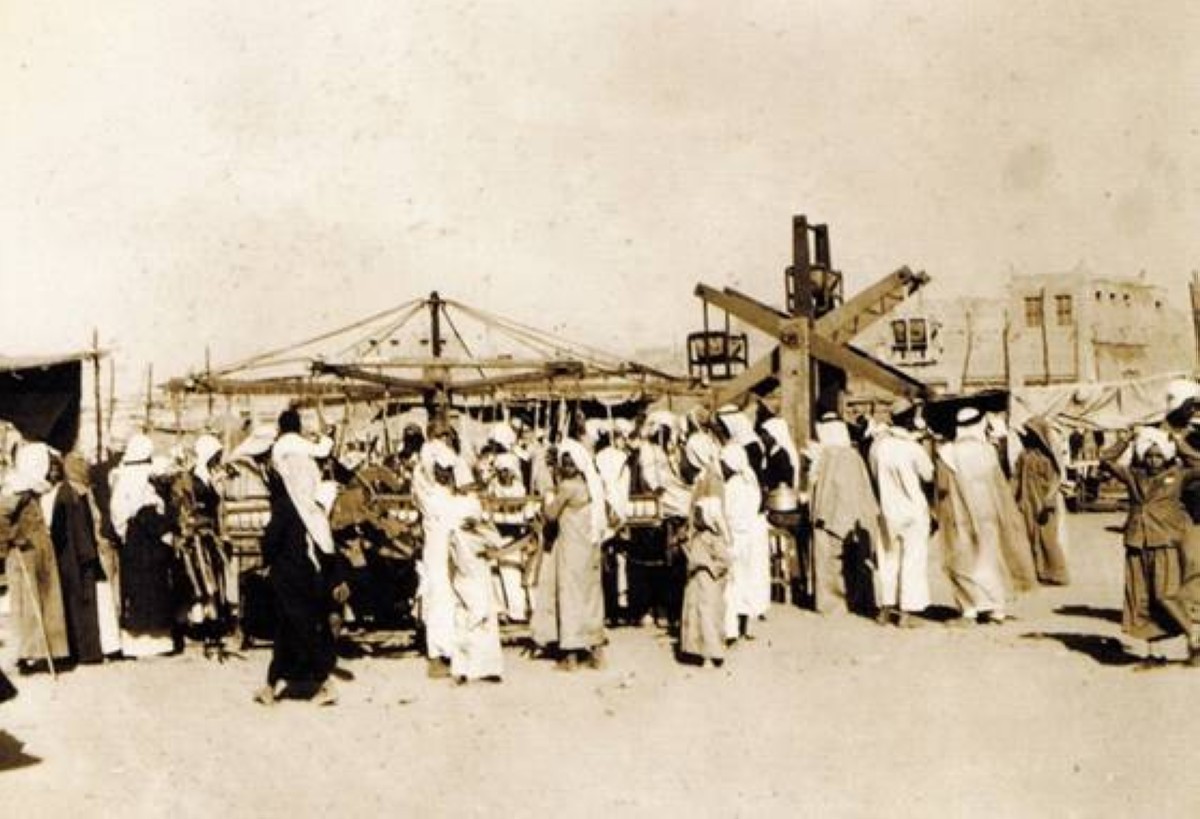
In the heart of the Arabian Peninsula lies Kuwait, a nation whose rich tapestry of history, culture, and social evolution is beautifully mirrored in its traditional games and longstanding traditions. These games, often passed down through generations, are more than mere pastimes; they are vibrant reflections of Kuwaiti society, encapsulating its values, communal bonds, and the resilience of its people. From the bustling streets of Kuwait City to the serene coastal villages, these traditional games have been played under the golden desert sun, each carrying stories of a bygone era and a testament to the enduring spirit of Kuwaiti tradition and community.
The Role of Traditional Games in Kuwaiti Society
Traditional games in Kuwait have always been more than just entertainment. They serve as a medium for social interaction, teaching essential life skills such as cooperation, strategic thinking, and resilience. In a society where community ties are paramount, these games have historically brought together individuals from diverse backgrounds, fostering a sense of unity and shared identity.
For instance, games like Al-lagsa and Taq-taq-taqiah are not only enjoyed for their simplicity and fun but also for the lessons they impart about teamwork and fair play. These games, often played in open courtyards or sandy patches, have been venues for children to learn about trust, competition, and the joy of collective participation.
Al-lagsa: A Game of Skill and Precision
Al-lagsa, akin to the Western game of jacks, involves players tossing small stones into the air and attempting to catch them in various sequences. This game is a test of dexterity and focus, requiring players to be attuned to their surroundings and to react swiftly. Historically, it was played during leisure hours, often in the evenings when the day’s work had concluded.
The game’s popularity among Kuwaiti children underscores the value placed on agility and concentration. It also highlights the resourcefulness of the community, as the game requires minimal equipment just a handful of small stones demonstrating how Kuwaiti society has always found joy in simplicity.
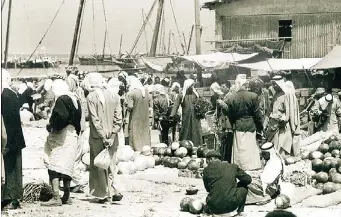
Taq-taq-taqiah: The Dance of Strategy and Anticipation
Taq-taq-taqiah, reminiscent of the Western game Duck, Duck, Goose, involves a runner circling a group of seated players while chanting a rhythmic verse. The runner then places a cap behind one of the players, who must quickly retrieve it before being tagged. This game is a delightful blend of strategy, anticipation, and physical agility.
Beyond its entertainment value, Taq-taq-taqiah reflects the Kuwaiti emphasis on communal interaction and the importance of maintaining social bonds. It is often played during gatherings, festivals, and public celebrations, reinforcing the role of games in strengthening community ties.
Al-Haila: Hopscotch with a Kuwaiti Twist
Al-Haila is Kuwait’s version of hopscotch, a game that involves players tossing a stone onto numbered squares drawn on the ground and then hopping through the squares to retrieve it. The Kuwaiti variant adds unique elements, such as specific chants and movements, making it distinctively local.
This game is more than just a children’s activity; it is a rite of passage for many young Kuwaitis. It teaches balance, coordination, and perseverance, qualities that are highly valued in Kuwaiti society. Al-Haila is often played during festivals and public holidays, serving as a bridge between generations and a link to the nation’s cultural heritage.
Tagga ib Tagga: The Kuwaiti Strategy Game
Tagga ib Tagga is a traditional Kuwaiti game that resembles the Western game of Dots and Boxes. Players take turns drawing lines between dots, aiming to complete squares and claim them as their own. The game requires strategic thinking and foresight, as players must anticipate their opponent’s moves while planning their own.
This game mirrors the strategic mindset prevalent in Kuwaiti culture, where careful planning and consideration are essential in both personal and communal affairs. It also highlights the importance of patience and long-term thinking, traits that have been integral to Kuwait’s development and success.
Marble Playing: A Cultural Expression of Kuwaiti Life
Marble playing holds a special place in Kuwaiti culture. It is not merely a game but an expression of community and tradition. Often played in open spaces or courtyards, marble games are a social activity that brings together individuals of all ages.
The significance of marble playing is evident in its portrayal on Kuwaiti banknotes, symbolizing the nation’s appreciation for its cultural heritage. The presence of a marble-playing hand statue in al-Shaheed Park further underscores the game’s importance as a cultural emblem.
Al-Mohaibis: A Seasonal Game of Camaraderie
Al-Mohaibis is a traditional Kuwaiti game associated with the winter season. Played during the cooler months, it involves teams competing in various physical challenges, fostering teamwork and camaraderie. The game’s seasonal nature reflects the Kuwaiti adaptation to its environment, utilizing the cooler months for outdoor activities that strengthen community bonds.
This game also highlights the cyclical nature of Kuwaiti life, where activities and traditions are closely tied to the changing seasons, reinforcing the connection between the people and their natural surroundings.
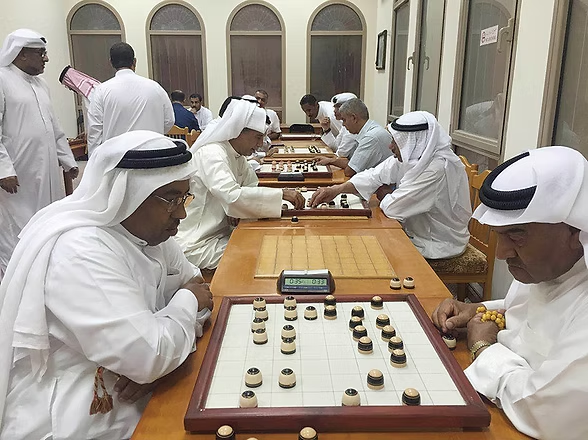
Baroue: A Game of Domestic Life and Socialization
Baroue is a traditional game played by Kuwaiti girls, simulating domestic life through role-playing with homemade dolls and miniature household items. This game serves as an informal means of socialization, teaching young girls about household responsibilities and social norms.
The practice of playing Baroue reflects the gender roles prevalent in Kuwaiti society, where domestic responsibilities have historically been assigned to women. However, it also illustrates the nurturing aspect of Kuwaiti culture, emphasizing the importance of family and community.
The Enduring Legacy of Traditional Games
Despite the rapid modernization and technological advancements in Kuwait, traditional games continue to be cherished and played by many. They serve as a reminder of the nation’s rich cultural heritage and the values that have shaped its society.
The enduring popularity of these games is a testament to their timeless appeal and the deep connection they foster among individuals. They are not just relics of the past but living traditions that continue to play a vital role in Kuwaiti life.
Conclusion
Traditional games in Kuwait offer a window into the nation’s soul, reflecting its history, values, and social dynamics. They are more than just pastimes; they are cultural expressions that bind the community together, teaching lessons of cooperation, resilience, and joy.
As Kuwait continues to evolve, these games remain a cherished part of its identity, ensuring that the spirit of the past continues to illuminate the path forward. In a world that is constantly changing, the timeless traditions of Kuwaiti games stand as a powerful reminder of the enduring strength and unity of the Kuwaiti people.
Do follow Gulf Magazine on Instagram.
Also Read – Ramadan: Celebrating Spiritual Unity and Tradition in Kuwaiti Culture

