

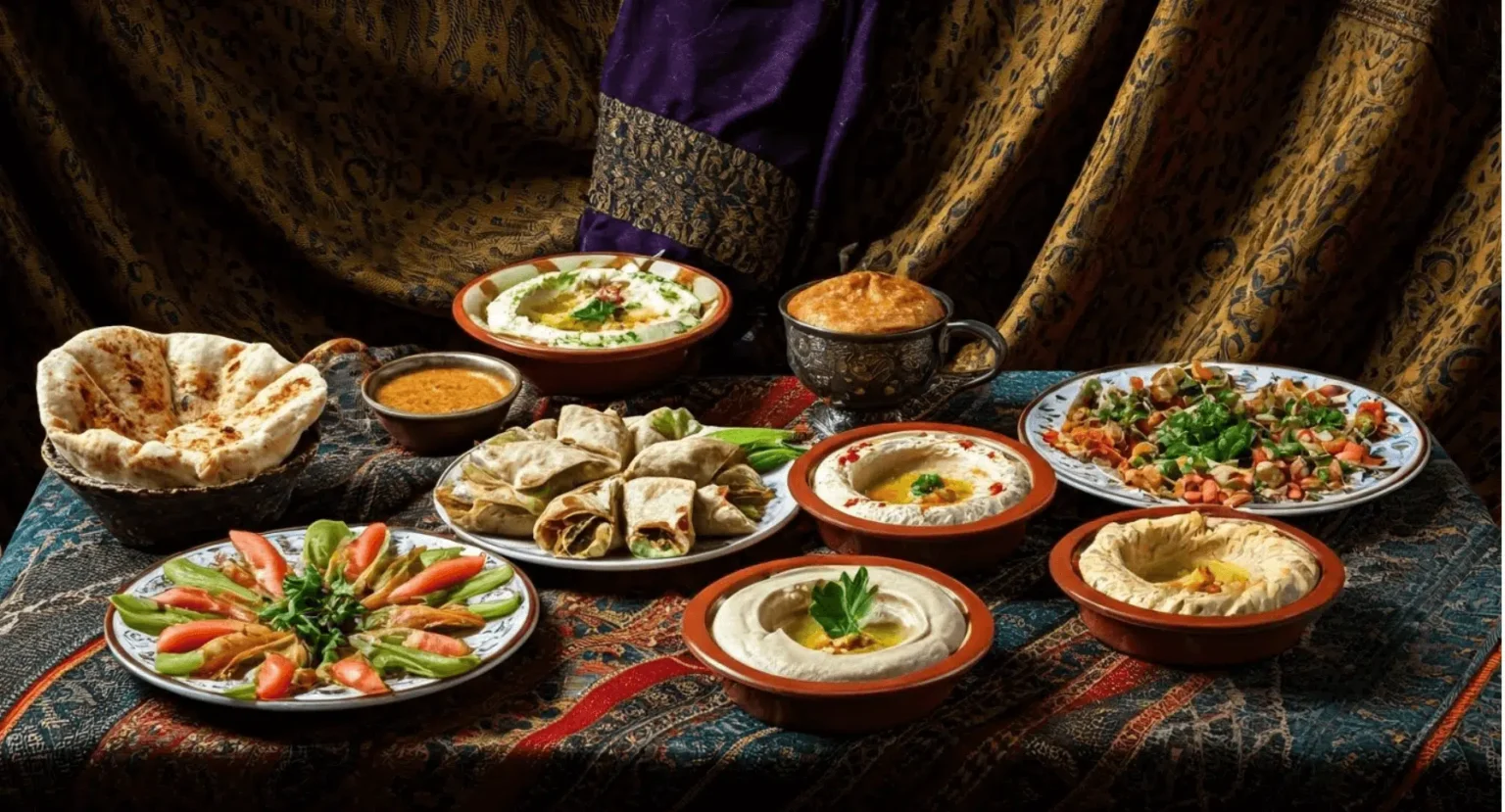
The Gulf region is more than gleaming skylines and golden deserts. It is a place where food tells stories of the sea, the sands, family gatherings, and centuries-old traditions. Gulf cuisine is warm, generous, and deeply connected to hospitality. Meals are often slow, shared, and filled with spices that reflect trade routes linking Arabia to India, Africa, and Persia. These traditional dishes are not just food; they are memories passed down through generations.
Below are ten must-try traditional Gulf dishes that truly capture the soul of the region.
1. Machboos
The Heart of Gulf Home Cooking
Machboos is one of the most beloved dishes across the Gulf. Often compared to biryani, it has its own distinct personality. Fragrant basmati rice is cooked with tender meat or fish, slow-simmered in a rich blend of spices like cardamom, cloves, cinnamon, and dried lime.
What makes machboos special is its balance. The spices are bold but never overpowering. Families often have their own recipes, with subtle differences that make every version unique. Served during family lunches and special occasions, machboos is comfort food at its finest.
2. Mandi
A Celebration Dish With Deep Roots
Mandi is a dish that brings people together. Traditionally cooked underground in a clay oven, the meat is slow-cooked until it becomes incredibly tender and smoky. The rice absorbs the juices of the meat, creating layers of flavor that feel both rich and light.
Often prepared for weddings, festivals, and large gatherings, mandi represents generosity and celebration. Eating mandi is a shared experience, usually enjoyed from a large platter, reminding everyone that food tastes better when shared.
3. Harees
Simple Ingredients, Powerful Comfort
Harees is a dish that proves simplicity can be extraordinary. Made from wheat and meat cooked together for hours, it turns into a smooth, creamy texture that feels soothing with every bite. Lightly seasoned and finished with melted butter or ghee, harees is gentle yet deeply satisfying.
This dish is especially popular during Ramadan, when its nourishing nature makes it ideal after a long day of fasting. Harees carries a sense of calm, tradition, and home.
4. Thareed
The Dish Loved by Generations
Thareed is often described as a humble dish with a royal history. It consists of thin flatbread soaked in a flavorful meat and vegetable stew. The bread absorbs the broth, creating a soft, comforting texture that feels incredibly hearty.
Loved for its simplicity and warmth, thareed has long been a favorite at family tables. It is filling without being heavy, making it a dish that satisfies both the body and the soul.
5. Balaleet
Sweet Meets Savory Perfection
Balaleet is a beautiful example of Gulf cuisine’s creativity. Sweet vermicelli noodles cooked with sugar, cardamom, and saffron are topped with a thin savory omelet. The contrast may sound surprising, but the result is comforting and delicious.
Often served for breakfast or festive mornings, balaleet feels like a gentle celebration on a plate. It reflects the Gulf’s love for subtle sweetness and aromatic spices.
6. Luqaimat
The Golden Bites Everyone Loves
Luqaimat are small, crispy dumplings that are soft on the inside and golden on the outside. Drizzled with date syrup or honey and sometimes sprinkled with sesame seeds, they are irresistible.
These sweet bites are especially popular during Ramadan evenings and family gatherings. Luqaimat are more than dessert; they are moments of joy shared over laughter and conversation.

7. Majboos Samak
A Seafood Classic From the Gulf Waters
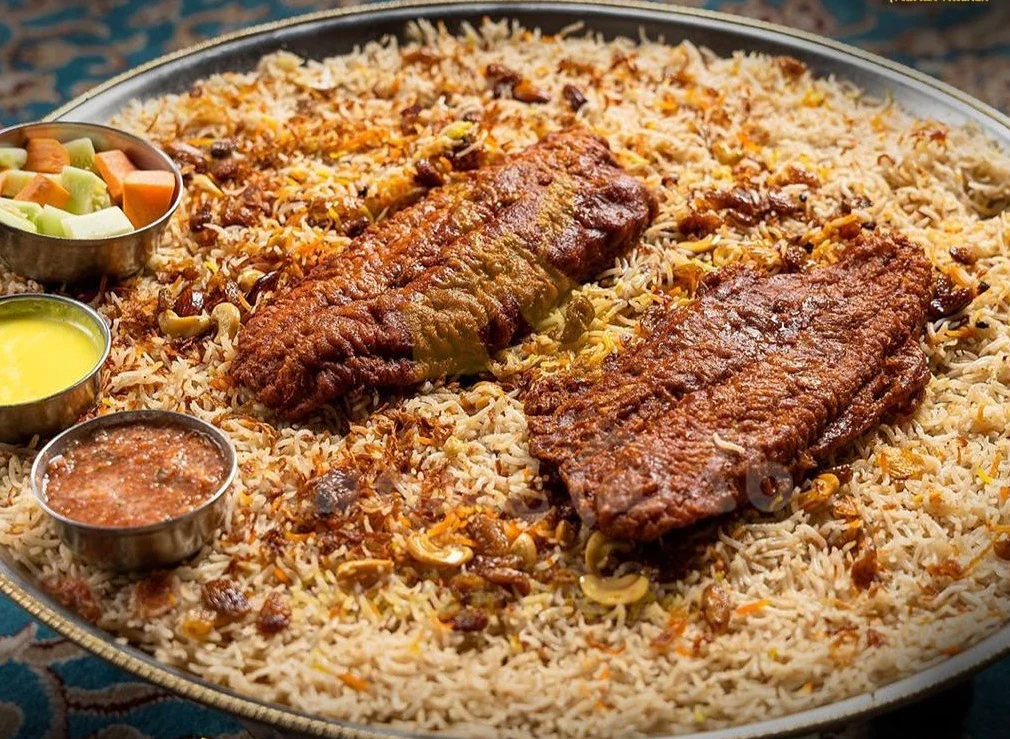
Living close to the sea has shaped Gulf cuisine, and majboos samak is a perfect example. Fresh fish is cooked with spiced rice, tomatoes, onions, and dried lime, creating a dish that tastes bright, aromatic, and deeply comforting.
This dish reflects the coastal life of the Gulf, where seafood plays a vital role. Each bite carries hints of the ocean combined with the warmth of traditional spices.
8. Saloona
Everyday Comfort in a Pot
Saloona is a traditional stew made with meat, vegetables, and mild spices. It is commonly served with rice or flatbread and is a staple in many Gulf households.
What makes saloona special is its flexibility. Every home has its own version, depending on available ingredients and family preferences. It is the kind of dish that quietly becomes part of daily life, offering warmth and nourishment without fuss.
9. Madrooba
Creamy, Rich, and Deeply Traditional
Madrooba is a dish made by cooking rice with meat or fish until it reaches a porridge-like consistency. Flavored with spices and often enriched with butter, it has a rich and comforting taste.
This dish is particularly popular during colder months or when something soothing is needed. Madrooba represents patience in cooking, as the slow process brings out its signature texture and flavor.
10. Khameer Bread
The Soul of the Table
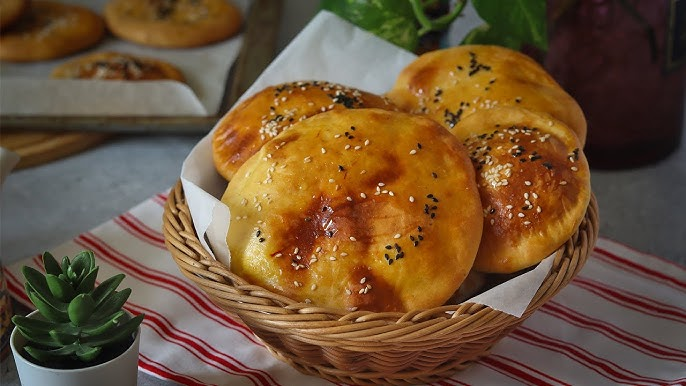
Khameer is a slightly sweet, soft bread often flavored with dates, saffron, or cardamom. Served warm, it pairs beautifully with honey, cheese, or savory dishes.
Bread holds a special place in Gulf culture, and khameer is a symbol of hospitality. Offering freshly baked khameer to guests is a gesture of warmth and welcome that goes beyond words.
Why Traditional Gulf Dishes Still Matter Today
Food as a Cultural Bridge
In a region that has rapidly modernized, traditional food remains a powerful link to the past. These dishes remind people of family homes, shared meals, and values rooted in generosity and togetherness.
A Taste That Tells a Story
Each Gulf dish carries stories of trade, travel, and survival in a challenging environment. From spices brought by merchants to cooking methods shaped by desert life, these foods are living history on a plate.
Preserving Tradition Through Flavor
As global cuisines gain popularity, traditional Gulf dishes continue to hold their ground. They are cooked during festivals, taught to younger generations, and proudly served to visitors, ensuring that the culture remains alive through taste.
Final Thoughts
Trying traditional Gulf dishes is not just about eating something new. It is about experiencing the warmth, pride, and heritage of the region. These dishes invite you to slow down, share a meal, and appreciate flavors shaped by time and tradition. Whether enjoyed at a family table or a local restaurant, each bite offers a deeper connection to Gulf culture and its timeless hospitality.
Do follow Gulf Magazine on Instagram.
Also Read – Cultural Respect and Christmas in Muslim Countries: Kuwait and Qatar

