


When a medical emergency strikes, nothing matters more than speed, expertise, and the right facilities. Whether it is a sudden heart attack, a severe accident, a stroke, or a life-threatening infection, immediate access to high-quality emergency care can make the difference between life and death. The best hospitals for emergency care are not just buildings with advanced equipment; they are centers of hope, rapid response, and highly trained professionals who are prepared to act within seconds.
Emergency care is often unpredictable. Families do not have time to research extensively in the middle of a crisis. That is why understanding what makes a hospital exceptional in emergency services is so important. From trauma centers to specialized stroke units, the best hospitals combine technology, expertise, and compassion to provide life-saving treatment without delay.
What Makes a Hospital the Best for Emergency Care?
Not all hospitals are equally equipped to handle emergencies. The best hospitals for emergency care share several critical features that ensure patients receive immediate and effective treatment.
First, they operate 24/7 with fully staffed emergency departments. Emergencies do not follow schedules, so round-the-clock availability of doctors, nurses, and support staff is essential.
Second, they have advanced diagnostic tools such as CT scanners, MRI machines, and rapid laboratory services available within minutes. Quick diagnosis leads to quicker treatment, especially in cases of stroke, internal bleeding, or severe infections.
Third, they offer specialized trauma units. Level 1 trauma centers, for example, are equipped to handle the most severe injuries, including major accidents, gunshot wounds, and complex surgeries.
Finally, coordination is key. The best emergency hospitals have well-organized teams that work seamlessly together, ensuring no time is wasted between admission, diagnosis, and treatment.
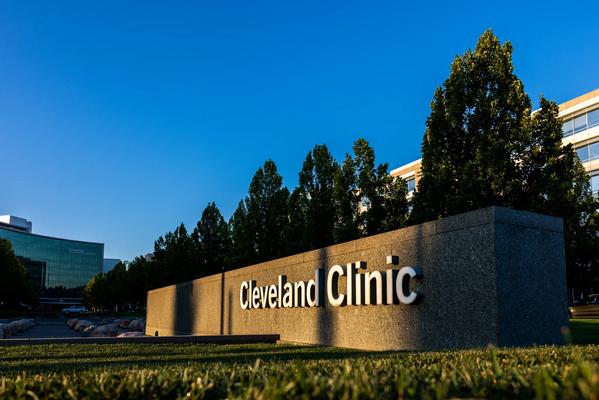
Cleveland Clinic is globally recognized for its excellence in emergency and critical care. Located in Ohio, it consistently ranks among the top hospitals for heart care and complex surgeries, which are crucial in emergency situations.
The emergency department at Cleveland Clinic handles thousands of critical cases every year. With highly trained specialists in cardiology, neurology, and trauma surgery available at all times, patients receive comprehensive care under one roof.
What truly sets this hospital apart is its multidisciplinary approach. Emergency physicians collaborate with surgeons and specialists immediately, reducing delays and improving survival rates. For patients facing sudden cardiac events or strokes, this coordinated care can be life-saving.
Mayo Clinic, USA
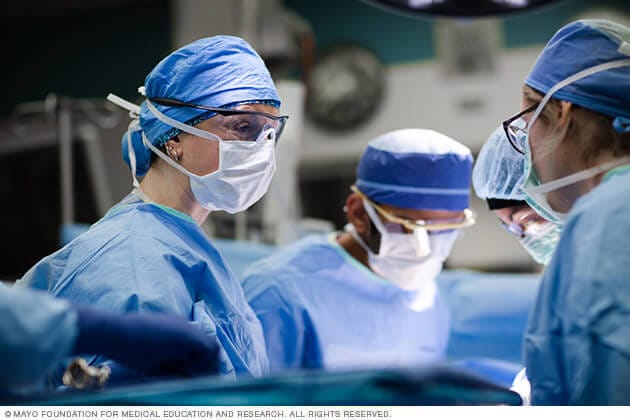
Mayo Clinic is synonymous with medical excellence. Its emergency departments in Minnesota, Arizona, and Florida are equipped with state-of-the-art facilities designed for rapid assessment and treatment.
The hospital is known for its integrated care model. From the moment a patient arrives, emergency physicians, specialists, and diagnostic teams collaborate seamlessly. This reduces waiting times and ensures accurate, immediate decisions.
Mayo Clinic also excels in handling complex emergencies such as severe neurological disorders, organ failure, and critical injuries. Its strong research foundation means that patients benefit from the latest treatment protocols and innovative procedures.
Johns Hopkins Hospital, USA
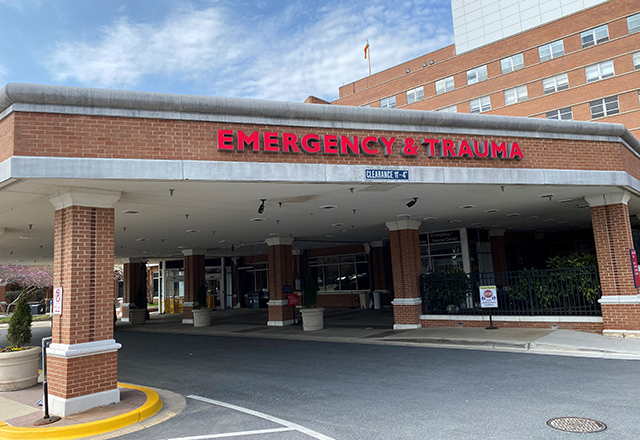
Johns Hopkins Hospital in Baltimore is another leading institution known for exceptional emergency and trauma care. The hospital’s emergency department is designed to manage everything from minor injuries to life-threatening conditions.
It is especially renowned for stroke and neurological emergency care. Time-sensitive treatments, such as clot-busting therapies, are administered quickly thanks to advanced imaging facilities located close to the emergency department.
The hospital’s trauma center is staffed by experts trained to respond to high-risk situations. Their rapid response teams are constantly prepared, ensuring patients receive immediate attention upon arrival.
Singapore General Hospital, Singapore

Singapore General Hospital is one of Asia’s most trusted institutions for emergency care. With a highly efficient triage system, patients are assessed and prioritized based on the severity of their condition.
The hospital’s emergency department handles a wide range of cases, from cardiac emergencies to severe trauma. Its advanced technology and skilled medical professionals ensure that patients receive timely and accurate treatment.
What makes this hospital stand out is its commitment to patient-centered care. Even during critical moments, the staff focuses on clear communication with families, helping them understand the situation and the treatment plan.
Royal Melbourne Hospital, Australia

Royal Melbourne Hospital is widely respected for its emergency and trauma services. As one of Australia’s leading trauma centers, it provides immediate care for serious injuries and critical conditions.
The hospital’s emergency department is equipped with advanced life-support systems and rapid diagnostic tools. Its trauma team includes surgeons, anesthetists, and critical care specialists who are trained to act swiftly under pressure.
Royal Melbourne Hospital also emphasizes ongoing training and simulation exercises. This ensures that medical teams remain prepared for even the most complex emergencies.
Key Specialties in Emergency Care
The best hospitals for emergency care often specialize in specific life-threatening conditions.
Cardiac Emergencies
Heart attacks require immediate intervention. Leading hospitals have cardiac catheterization labs ready at all times to restore blood flow quickly.
Stroke Units
Dedicated stroke centers use advanced imaging to detect blockages or bleeding in the brain. Rapid treatment minimizes long-term damage.
Trauma Centers
Level 1 trauma centers are equipped to handle severe injuries. These facilities have surgeons and specialists available 24/7.
Pediatric Emergency Care
Children require specialized emergency treatment. The best hospitals provide child-friendly emergency units with pediatric experts on standby.
How Technology Enhances Emergency Care
Technology plays a crucial role in improving outcomes. Modern emergency departments use digital triage systems to prioritize patients efficiently. Telemedicine consultations allow specialists to guide treatment even before patients arrive at the hospital.
Robotic surgery, advanced imaging, and AI-assisted diagnostics are increasingly common in top emergency hospitals. These innovations speed up diagnosis and reduce human error.
Ambulance systems are also integrated with hospital networks. Paramedics can transmit patient data in real time, allowing emergency teams to prepare before arrival.
The Human Side of Emergency Care
While technology and infrastructure are vital, compassion remains at the heart of emergency medicine. Patients arriving in emergency departments are often scared and vulnerable. Skilled communication, reassurance, and empathy can significantly impact their experience.
The best hospitals understand that emergency care is not only about saving lives but also about supporting families during critical moments. Social workers, counselors, and patient support teams often assist families, ensuring they are not left alone during difficult times.
Choosing the Right Emergency Hospital
Preparation can make a huge difference. Knowing the nearest hospital with a certified trauma center or stroke unit can save valuable minutes. Families should research hospitals in their area and understand the services they provide.
Insurance coverage, ambulance accessibility, and distance from home are also practical considerations. In many cases, paramedics decide which hospital is most appropriate based on the patient’s condition.
Conclusion
The best hospitals for emergency care stand as pillars of hope in moments of crisis. With advanced technology, skilled specialists, and rapid response systems, they are prepared to handle the most critical situations. From heart attacks to traumatic injuries, these institutions combine speed, expertise, and compassion to save lives every day.
Emergencies are unpredictable, but access to the right hospital can provide reassurance and confidence. By understanding what defines exceptional emergency care and identifying trusted institutions, individuals and families can be better prepared for the unexpected.
When every second counts, the best hospitals for emergency care prove that preparedness, expertise, and humanity truly make the difference.
Do Follow Gulf Magazine on Instagram
Read More:- Gulf Leaders Shape a Bold New Regional Order 2025

