

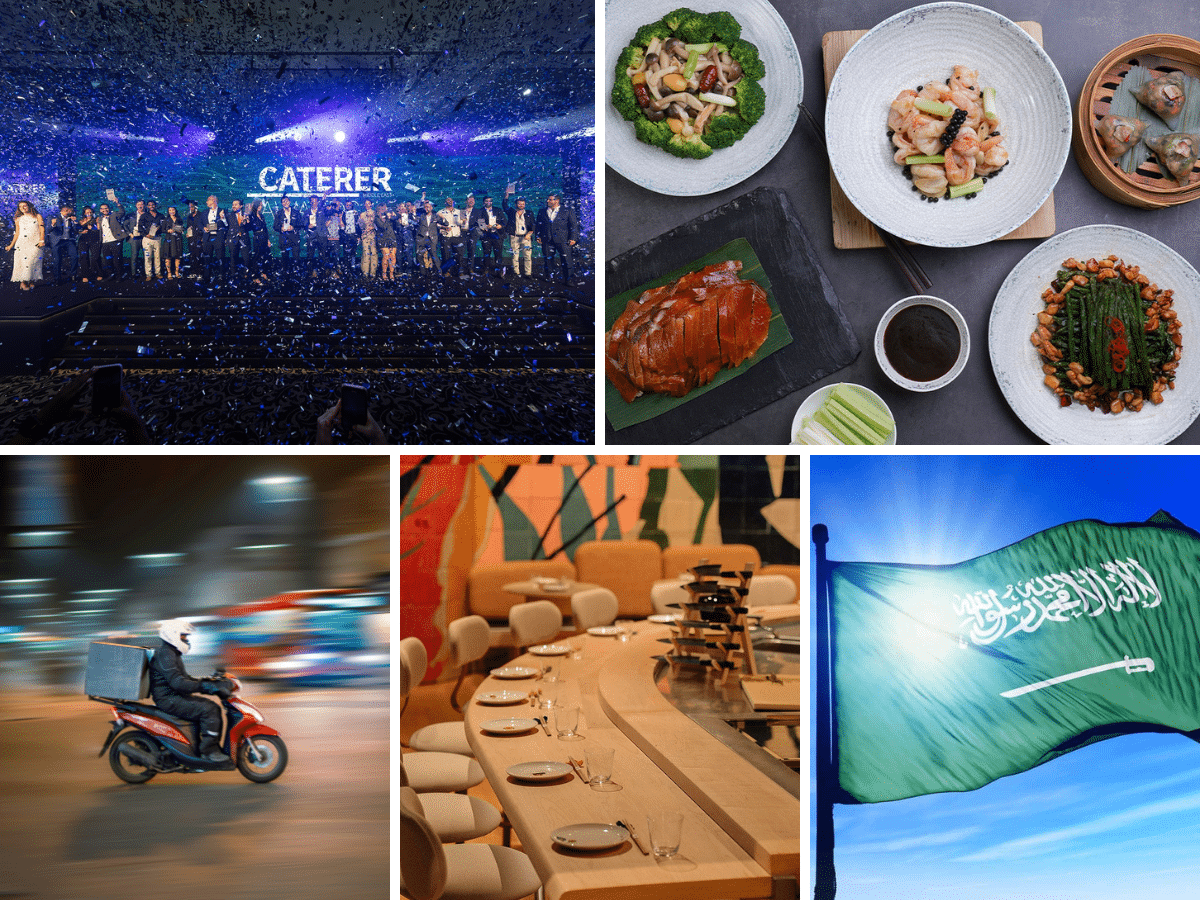
The year 2025 marked a turning point for the Middle East food and beverage industry. Across the Gulf and wider region, governments, manufacturers, retailers, and consumers collectively reshaped how food is produced, distributed, and consumed. Saudi Arabia emerged as a central force, accelerating investments in food manufacturing and processing, while regional players adapted quickly to evolving consumer preferences driven by health awareness, global flavors, and convenience.
From the rise of spicy imports inspired by South Korean cuisine to the expansion of local processing plants, the food and beverage sector reflected broader economic ambitions, especially around food security, sustainability, and industrial diversification. This review captures the ten most influential food and beverage stories of 2025 that defined the region’s trajectory and set the tone for the years ahead.
1. Saudi Arabia’s Food Manufacturing Boom Redefined Regional Supply Chains
Saudi Arabia’s food manufacturing sector experienced unprecedented growth in 2025. New processing plants, cold storage hubs, and packaging facilities came online across the Kingdom, supporting both domestic consumption and exports to neighboring markets.
This expansion reduced dependence on imports while strengthening Saudi Arabia’s role as a regional food production hub. For the wider Middle East, this shift reshaped supply chains and positioned the Kingdom as a long-term anchor for regional food resilience.
2. Food Security Investments Became a Strategic Priority
Food security moved from policy discussion to practical execution in 2025. Governments across the Gulf invested heavily in strategic reserves, local production, and diversified sourcing strategies. Public-private partnerships accelerated projects in grain storage, dairy processing, and protein alternatives.
These efforts were not driven by short-term disruptions alone but by a recognition that stable food systems are essential for economic and social stability. The Middle East’s approach in 2025 reflected a more mature, forward-looking strategy focused on preparedness and self-sufficiency.
3. Spicy Food Craze Swept the Gulf, Led by Korean Imports
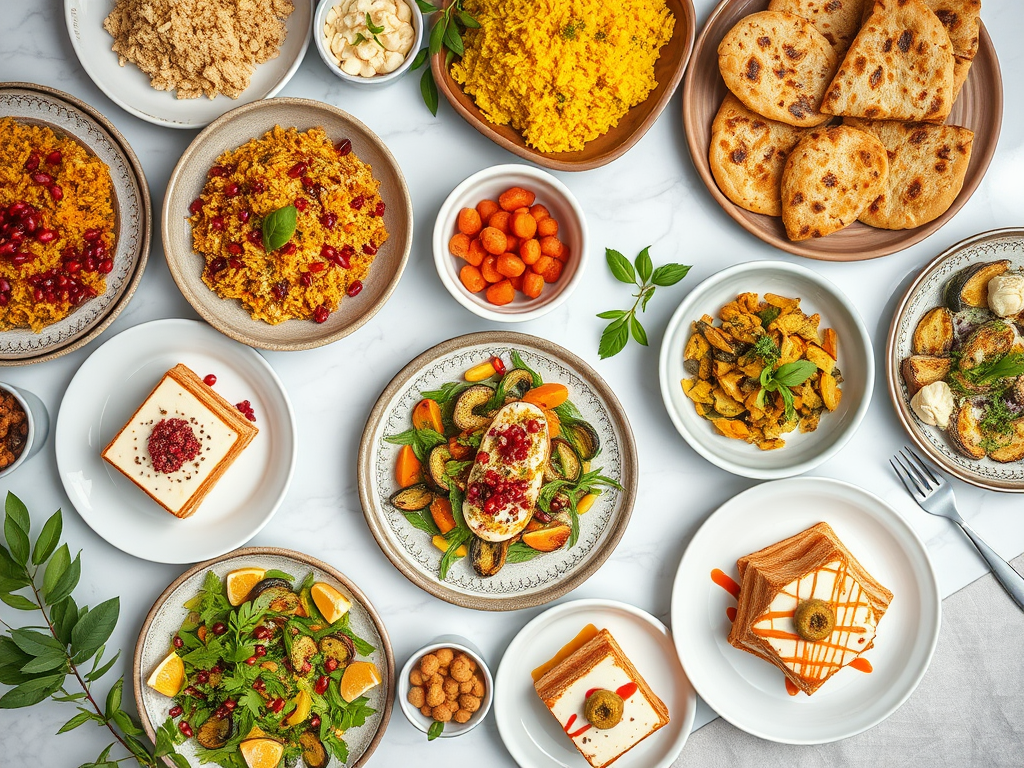
One of the most visible consumer trends of 2025 was the surge in demand for spicy foods, particularly products inspired by South Korean cuisine. Instant noodles, sauces, marinades, and ready-to-eat snacks gained strong traction across Saudi Arabia, the UAE, and Kuwait.
This trend highlighted a growing appetite for bold, global flavors among younger consumers. Retailers responded quickly by expanding shelf space for imported spicy products, while regional manufacturers began developing localized versions to meet halal standards and regional taste preferences.
4. Local Processing Plants Reduced Import Dependence
New food processing plants across Saudi Arabia and other Gulf countries played a critical role in reducing reliance on finished imported products. From meat and poultry to baked goods and ready meals, local facilities increased production capacity and improved quality control.
These investments also created jobs, strengthened logistics networks, and supported small and medium-sized suppliers. By the end of 2025, locally processed foods were no longer seen as alternatives but as preferred options by both retailers and consumers.
5. Health-Conscious Consumption Influenced Product Innovation
Consumer awareness around health and nutrition continued to rise throughout 2025. Demand increased for low-sugar beverages, high-protein snacks, plant-based options, and clean-label products with fewer additives.
Food and beverage companies responded by reformulating products and launching new ranges tailored to health-conscious shoppers. This shift was particularly visible in urban markets, where consumers actively compared labels and sought transparency from brands.
6. Ready-to-Eat and Convenience Foods Gained Momentum
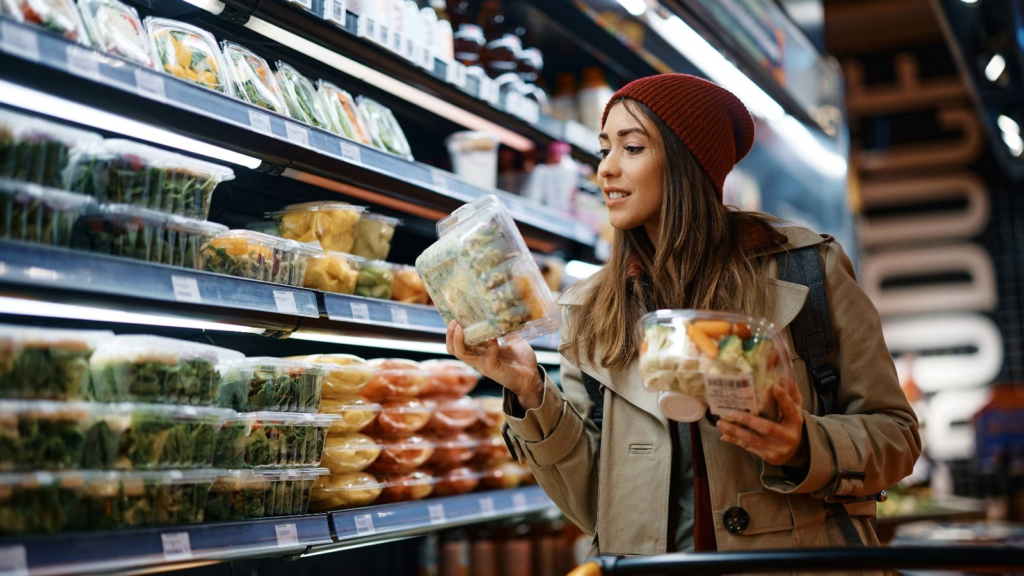
Busy lifestyles and a growing working population fueled demand for ready-to-eat and easy-to-prepare foods. Frozen meals, chilled snacks, and portion-controlled products performed strongly across the Gulf.
Manufacturers focused on improving taste and nutritional value, moving away from the perception that convenience foods compromise quality. In 2025, convenience became less about speed alone and more about balanced, reliable everyday meals.
7. Sustainability Became a Business Imperative
Sustainability moved beyond marketing language in 2025 and became a core operational focus for many food and beverage companies. Packaging reduction, recyclable materials, and energy-efficient production methods gained prominence.
Regional manufacturers began aligning sustainability goals with cost efficiency, realizing that reduced waste and smarter resource use also improved margins. This practical approach helped sustainability gain wider acceptance across the industry.
8. Regional Brands Strengthened Their Market Identity
Middle Eastern food brands gained renewed confidence in 2025. Rather than competing solely on price, many emphasized quality, heritage, and authenticity. Saudi, Emirati, and wider Gulf brands invested in modern packaging and storytelling that resonated with both local and expatriate consumers.
This branding evolution helped regional players compete more effectively with international imports and strengthened consumer loyalty across multiple categories.
9. Technology Improved Traceability and Quality Control
Digital tools became increasingly important in the food and beverage sector. In 2025, companies adopted better tracking systems to monitor supply chains, manage inventory, and ensure compliance with food safety standards.
Improved traceability boosted consumer trust and reduced operational risks. Technology also enabled faster responses to demand fluctuations, particularly during peak seasons and major cultural events.
10. The Middle East Positioned Itself as a Global Food Hub
By the end of 2025, the Middle East was no longer viewed solely as an import-driven food market. Strategic investments, modern infrastructure, and evolving consumer tastes positioned the region as an emerging global food and beverage hub.
Saudi Arabia’s leadership, combined with strong regional collaboration, signaled a future where the Middle East plays a more active role in shaping global food trends rather than simply following them.
Conclusion: A Foundation for the Next Decade
The top food and beverage stories of 2025 reveal an industry in transformation. The Middle East embraced change with confidence, balancing tradition and innovation while addressing critical challenges such as food security, sustainability, and shifting consumer expectations.
As the region moves forward, the foundations laid in 2025 will influence investment decisions, product development, and consumer behavior for years to come. The Middle East food and beverage industry has entered a new chapter defined by resilience, ambition, and a growing global presence.
Do follow Gulf Magazine on Instagram.
Also Read – Gulfood 2026 Draws Global Food Leaders to the Gulf

