

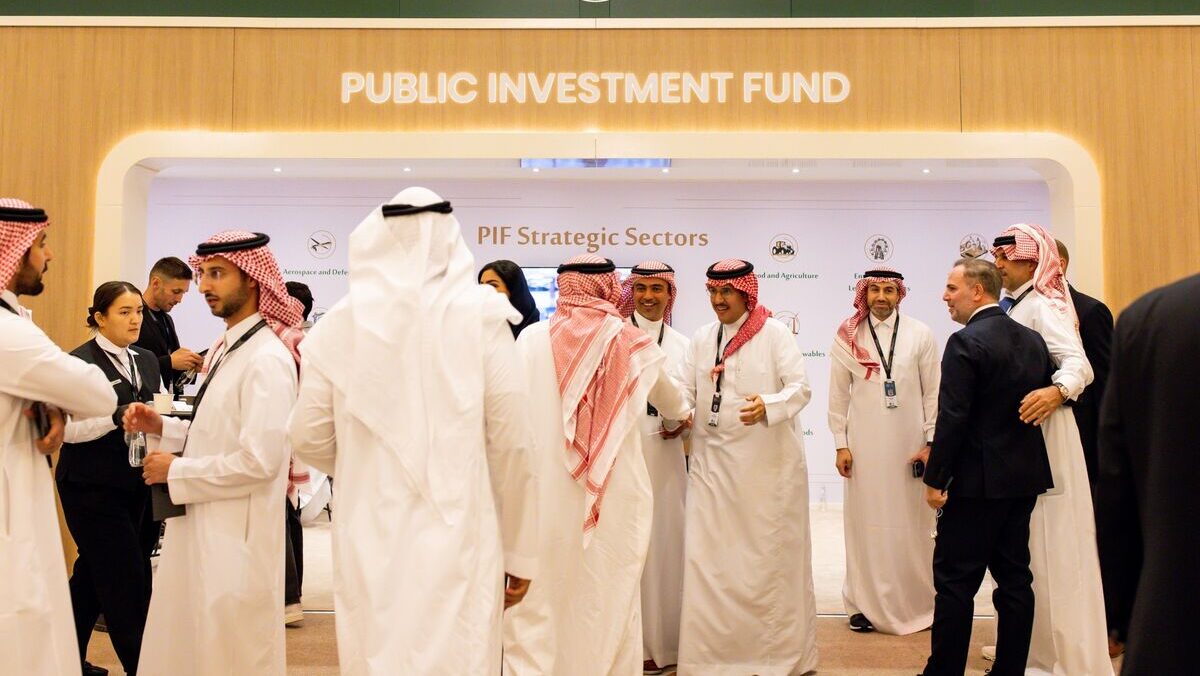
When two nations choose to invest in connection rather than distance, the result can be more than economic growth. It becomes a story about people, possibilities, and a shared future. The proposal for a Trade Zone between Saudi Arabia and Canada opens such a chapter. Beyond tariff tables and logistics plans, this initiative has the potential to reshape how both countries see one another, to humanize commerce, and to cultivate mutual gains that touch everyday lives in towns and cities on both sides of the globe.
A human story behind trade
Trade often feels abstract until you imagine a small business owner in Vancouver who can now source high quality Saudi date varieties for her artisan goods, or a young Saudi software developer whose work helps optimize distribution networks for Canadian agricultural exports. The Trade Zone is not only about cargo and contracts but about real people whose livelihoods and ambitions will be affected. It is the mother who finds more affordable imported baby formula, the student who secures an internship through a business partnership, and the artisan who discovers a market for traditional crafts. These human stories make the economic case palpable and create public support that outlasts political cycles.
Economic opportunities and balanced growth
A formalized Trade Zone can lower barriers and create predictable rules that encourage investment. For Canada, it means more diversified export markets for timber, agricultural products, technology services, and clean energy expertise. For Saudi Arabia, it offers broader access to knowledge sectors, advanced manufacturing techniques, educational partnerships, and high value food supply chains.
Importantly, the zone can be designed to support balanced growth. Rather than concentrating benefits in a narrow set of industries, policy can prioritize small and medium enterprises through simplified customs procedures, joint incubators, and targeted finance schemes. This inclusive approach helps distribute gains across communities, builds resilience, and reduces the risk that trade benefits only a few large players.
Technology transfer and innovation partnerships
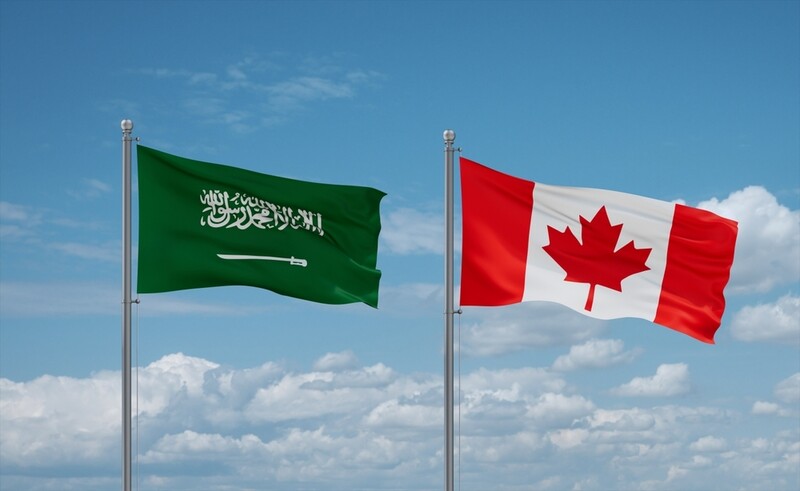
Trade alone is useful but trade plus innovation is transformative. A Trade Zone can create structured pathways for technology transfer, joint research and development, and collaborative education programs. Canadian expertise in clean technology, precision agriculture, and health sciences can pair with Saudi investment in digital infrastructure and renewable energy. Universities and private research centers on both sides can launch exchange programs, co funded research, and start up accelerators that nurture bilingual teams and cross cultural leadership. The tangible effect will be businesses that scale faster, more jobs in knowledge sectors, and products that reflect combined strengths.
Jobs, skills and human capital development
One of the most meaningful outcomes of a Trade Zone is human capital development. As companies expand cross border operations, they will need people with bilingual skills and cross cultural understanding. Vocational training programs, apprenticeships, and academic exchanges can be part of the zone framework. This creates pathways for youth employment, especially for underrepresented groups, and helps societies adapt to a rapidly changing labor market. For many families, these opportunities will mean stable incomes, new careers, and the pride of contributing to something bigger than themselves.
Cultural exchange and soft power
Trade builds channels for cultural exchange. As goods move, so do stories and experiences. Cultural festivals, culinary collaborations, joint film projects, and academic conferences can flourish alongside commercial activity. This kind of exchange reduces stereotypes, cultivates empathy, and strengthens soft power in both capitals. Tourism flows may increase as curiosity about each other’s heritage grows, and local communities benefit from richer cultural offerings and business for hospitality sectors.
Environmental responsibility and sustainable design
A modern Trade Zone cannot ignore environmental responsibility. Both countries are increasingly committed to sustainability goals. The zone presents an opportunity to embed green standards from the outset: low carbon logistics options, renewable energy powered facilities, circular packaging systems, and support for sustainable agriculture practices. Environmental safeguards and transparent monitoring build public trust and ensure that growth does not come at the cost of local environments or global climate goals.
Small business and entrepreneurship at the centre
Large headline projects are important, but the everyday engines of economic life are small businesses and entrepreneurs. The Trade Zone framework should make it simple for boutique exporters, family run farms, and local tech start ups to participate. Micro grants, streamlined customs for small consignments, and digital marketplaces can help micro entrepreneurs reach customers overseas without heavy upfront costs. Their success stories will provide the most persuasive proof that the Trade Zone benefits ordinary people and not just large corporations.
Infrastructure and logistical planning
Effective trade depends on reliable infrastructure. Ports, air freight hubs, cold chain systems, and smart customs platforms will be crucial. Planning must focus on efficiency and resilience. Investments in digital platforms for documentation reduce delays and corruption risk. Public private partnerships can accelerate projects while ensuring that public interest is protected. Thoughtful infrastructure design keeps costs down, makes trade predictable, and lets companies focus on growth not paperwork.
Governance, transparency and dispute resolution
Trust in any trade arrangement depends on clear governance and fair dispute resolution. The Trade Zone should include transparent rules, standardized regulatory frameworks, and impartial mechanisms for resolving commercial disagreements. Joint oversight committees with civil society participation can ensure that policies reflect shared values and that concerns of smaller stakeholders are heard. Predictability in governance attracts long term investment and gives businesses the confidence to commit capital and create jobs.
Social inclusion and equitable benefits
For the Trade Zone to be a moral as well as economic success, it must deliver equitable benefits. That means prioritizing local hiring, supporting community development programs, and protecting vulnerable workers. Gender inclusive hiring practices and support for women entrepreneurs are especially powerful, unlocking untapped economic potential. When trade becomes a tool for social uplift, it generates broad based support and becomes politically durable.
Education, research and cultural institutions as pillars
Linking universities, technical colleges, and cultural institutions across Saudi Arabia and Canada will create a steady pipeline of talent and ideas. Scholarships, joint degrees, and exchange programs act as long term investments in mutual understanding. Museums, libraries, and cultural centers can host collaborative exhibits that feature shared histories and modern creativity. These intellectual bridges cement relationships that outlast individual contracts and political changes.
Risks and how to manage them
No initiative is without risk. Economic shocks, political tensions, or poorly designed tax incentives could skew benefits. To manage risk, phased implementation and pilot projects provide learning opportunities before scale. Clear environmental impact assessments and community consultations reduce local opposition. A focus on regulatory alignment and data sharing can prevent accidental barriers. By acknowledging risks openly and building mitigation into the Trade Zone design, both countries can adapt and refine the partnership as it grows.
Stories of early beneficiaries
Imagine a Canadian agrotech start up partnering with a Saudi farming cooperative to pilot precision irrigation. The result is reduced water use across acres, higher yields for local farmers, and a market for Canadian sensors. Or picture a Saudi green energy company financing a Canadian research center to refine energy storage systems. Students get access to internships, a new generation of engineers gain international experience, and both economies benefit from new products. These early beneficiaries create momentum and provide concrete examples that inspire others.
Civic engagement and community voices
Trade is not only an elite conversation. Town halls, public consultations, and community advisory boards should be built into the process. People want to know how a Trade Zone will affect local jobs, housing, and services. Listening to community voices ensures that the initiative is shaped with broad consent and yields benefits that are felt across neighborhoods. It also cultivates champions who help sustain the partnership through inevitable challenges.
A vision for the next decade
Over the next ten years the Trade Zone could evolve into a dynamic corridor of commerce and culture. It can become a model for how countries with different geographies and histories build trust and prosperity together. By focusing on people centered policies, environmental responsibility, and shared innovation, the Trade Zone can rewrite the narrative from transactional to transformational. It will be measured not only by trade volumes but by improved livelihoods, more vibrant communities, and deeper mutual understanding.
Conclusion
Trade Zone between Saudi Arabia and Canada offers more than economic advantage. It is an invitation to craft a shared future where commerce amplifies human dignity, where education and innovation travel alongside goods, and where cooperation replaces distance. If designed with care, transparency, and compassion, this new chapter in Saudi Canadian relations can produce tangible benefits for families, students, entrepreneurs, and communities in both countries. That possibility makes the project not just important but hopeful. It is a story worth writing together.
Do follow Gulf Magazine on Instagram.
Also Read – TOURISE Summit Ignites Global Tourism with 113 Billion Dollar Sustainable Innovation

