

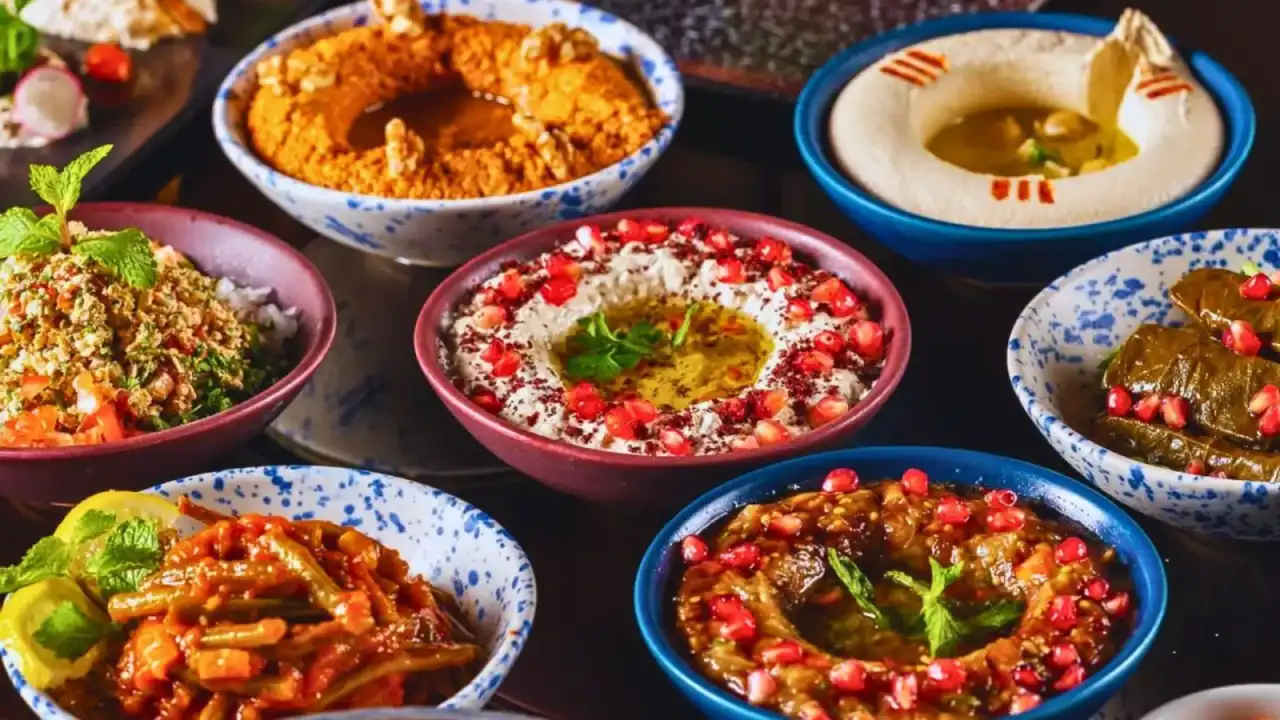
In 2025, something deeply comforting and meaningful is happening across the Gulf. From family kitchens to high-end restaurants, traditional Gulf food is reclaiming its place at the heart of daily life. Dishes once seen as old-fashioned are now proudly served, photographed, shared, and celebrated. This revival is not driven by nostalgia alone. It reflects a growing desire for authenticity, cultural pride, health-conscious eating, and emotional connection in a fast-changing world.
As global food trends shift away from excess and toward meaning, the Gulf is rediscovering the power of its own culinary heritage. What was always there is now being seen with fresh eyes.
A Cultural Awakening Through Food
Food has always been more than sustenance in Gulf societies. It carries stories, values, and memories passed down through generations. In 2025, this cultural connection is stronger than ever.
Younger generations are asking questions their grandparents never expected. What did people eat before fast food? Why were meals prepared slowly? What do these spices mean? These questions are leading many back to traditional recipes that reflect the region’s environment, history, and communal spirit.
Traditional dishes are no longer viewed as food for special occasions only. They are becoming part of everyday identity again, reminding people who they are and where they come from.
Pride in Heritage and Identity
Across the Gulf, cultural pride is shaping lifestyle choices. Wearing traditional clothing, speaking local dialects, and celebrating heritage festivals are increasingly popular among youth. Food fits naturally into this movement.
Preparing dishes like machboos, harees, thareed, saloona, and madrouba is seen as an act of preservation. Cooking these meals connects families to their roots and allows traditions to live on in modern homes.
Restaurants, too, are embracing this pride. Menus now highlight local dishes with storytelling elements that explain their origins, ingredients, and cultural importance.
The Emotional Comfort of Traditional Meals
In an era of digital overload and constant change, people are seeking comfort in familiar things. Traditional Gulf food offers a sense of warmth that modern, processed meals often lack.
These dishes are closely tied to family gatherings, Ramadan evenings, weddings, and shared moments. One bite can bring back memories of childhood kitchens, shared plates, and conversations that lasted for hours.
Food That Feels Like Home
Unlike fast food designed for speed, traditional meals encourage patience. They take time to prepare and time to enjoy. This slower rhythm appeals strongly in 2025, as people try to reclaim balance in their lives.
Eating traditional food feels grounding. It invites people to sit together, eat together, and talk together. In a world that often feels rushed, this emotional connection matters deeply.

Health and Simplicity Drive the Revival
Another major reason behind the comeback of traditional Gulf food is health awareness. People are paying closer attention to what they eat and how it affects their bodies.
Many traditional dishes rely on simple, natural ingredients such as grains, legumes, fresh vegetables, lean meats, herbs, and spices. Cooking methods often involve slow simmering rather than deep frying.
Rediscovering Balanced Eating
In 2025, wellness is no longer about extreme diets. It is about balance and sustainability. Traditional Gulf cuisine fits perfectly into this mindset.
Dishes like harees and jareesh are filling yet gentle on digestion. Soups and stews provide nourishment without heaviness. Spices such as turmeric, cumin, and cardamom add flavor while offering natural benefits.
As people move away from ultra-processed foods, traditional recipes feel both familiar and smart.
Restaurants Are Redefining Traditional Cuisine
One of the most visible signs of this revival is in the restaurant scene. Across the Gulf, chefs are reinventing traditional dishes without losing their soul.
Rather than replacing heritage flavors, modern chefs are refining presentation, portioning, and plating. The essence of the dish remains intact, but it now appeals to contemporary tastes and aesthetics.
From Home Kitchens to Fine Dining
In 2025, traditional Gulf food is no longer limited to casual eateries or home meals. It has entered luxury dining spaces with confidence.
Restaurants proudly focus on regional ingredients, traditional cooking techniques, and seasonal menus. Some chefs collaborate with local farmers and fishermen to ensure authenticity.
This approach allows traditional food to stand proudly beside international cuisines, rather than compete with them.
Social Media Plays a Powerful Role
Social media has transformed how food trends spread, and traditional Gulf cuisine is benefiting greatly from this exposure.
Home cooks, food bloggers, and chefs are sharing videos of recipes passed down through generations. These posts often include personal stories, family memories, and cultural explanations, making the content deeply engaging.
Visual Storytelling and Viral Recipes
Traditional dishes, with their rich colors and textures, translate beautifully on digital platforms. A slow pour of broth, a steaming plate of rice, or freshly baked bread instantly captures attention.
In 2025, authenticity performs better than perfection. People connect more with real kitchens and real stories than overly styled content. Traditional food fits this perfectly, allowing culture to go viral in the most organic way.
Government and Cultural Support
The revival of traditional Gulf food is also supported at a national level. Many Gulf countries are actively promoting cultural heritage as part of their future vision.
Food festivals, heritage markets, cooking competitions, and culinary museums are becoming more common. These initiatives encourage both locals and visitors to explore authentic cuisine.
Preserving Culinary Heritage for the Future
Educational programs are also emerging to teach young people traditional cooking skills. This ensures that recipes are not lost as lifestyles change.
By valuing food as cultural heritage, the Gulf is protecting an essential part of its identity while sharing it proudly with the world.

Tourism and the Search for Authentic Experiences
Travelers in 2025 are no longer satisfied with generic dining experiences. They want to taste the place they are visiting.
Traditional Gulf food offers visitors a genuine connection to the region. Tourists are increasingly seeking out local restaurants, heritage homes, and guided food experiences.
Food as a Gateway to Culture
Trying traditional dishes allows visitors to understand Gulf hospitality, generosity, and values. Shared meals become moments of cultural exchange rather than simple transactions.
This demand has encouraged more businesses to highlight authentic food experiences, further fueling the revival.
Sustainability and Local Ingredients
Sustainability is another key factor behind the return to traditional cuisine. Many classic Gulf dishes were originally designed around what was locally available.
Using seasonal ingredients, minimizing waste, and respecting natural resources were built into traditional cooking practices long before sustainability became a global concern.
Eating With Awareness
In 2025, people are reconnecting with these principles. Supporting local producers and reducing dependence on imported, processed food feels responsible and meaningful.
Traditional Gulf food offers a blueprint for eating well while respecting the environment.
Passing Traditions to the Next Generation
Perhaps the most beautiful part of this revival is how it brings generations together.
Grandparents are teaching grandchildren how to cook family recipes. Parents are choosing traditional meals for weekly gatherings. These moments strengthen family bonds and ensure cultural continuity.
More Than Just a Trend
This is not a short-lived food trend. It is a reconnection with identity, values, and shared history. Traditional Gulf food is becoming relevant again because it speaks to modern needs while honoring the past.
The Future of Traditional Gulf Food
As 2025 unfolds, traditional Gulf cuisine is no longer fighting for relevance. It is standing confidently at the center of modern Gulf life.
The future looks promising. Innovation will continue, but respect for tradition will remain. Recipes will evolve, presentations will change, but the soul of the food will stay the same.
Traditional Gulf food is not just making a comeback. It is reclaiming its rightful place as a source of pride, comfort, health, and connection.
Do follow Gulf Magazine on Instagram.
Also Read – Why Cultural Living Is Replacing Luxury Lifestyles in the Gulf

