

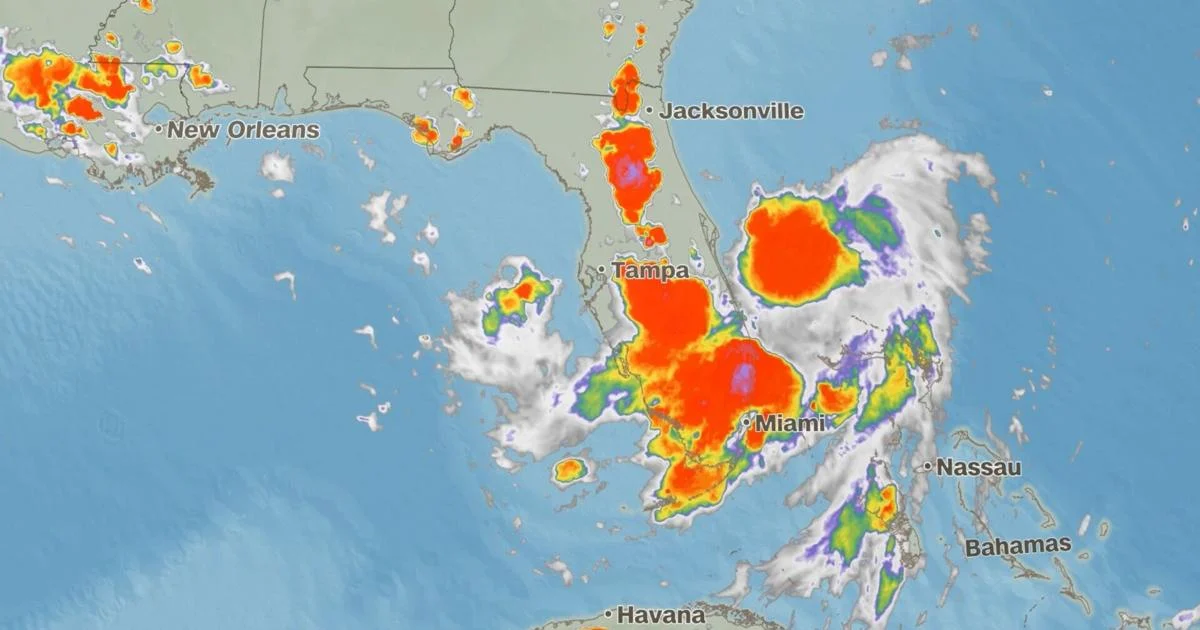
Tropical downpours are making headlines again in the United States, especially in the Southeast and along the Gulf Coast. These heavy rainstorms are creating dangerous flood conditions that are affecting homes, roads, and communities. The National Weather Service has issued multiple flood alerts across several states, and local officials are urging residents to prepare for rising waters.
The intense tropical downpours are caused by warm ocean air mixing with low-pressure systems, which leads to prolonged and heavy rainfall. These storms are particularly dangerous because they move slowly and dump large amounts of rain over the same area for hours or even days.
What Are Tropical Downpours?
Tropical downpours are sudden, intense rainfalls that are typically associated with tropical systems such as storms or hurricanes. These downpours can happen with or without high winds but always bring massive amounts of rain. The Southeast and Gulf Coast are especially vulnerable because of their warm, humid climates and low-lying landscapes.
Meteorologists explain that the Gulf of Mexico acts as a fuel source for these storms. Warm sea surface temperatures add moisture to the atmosphere, creating the perfect condition for tropical downpours. These downpours can develop quickly, often catching communities off guard.
Current Flood Situation in the Southeast and Gulf Coast
As of this week, several regions across Louisiana, Mississippi, Alabama, and Florida are under flood warnings. In Louisiana, rainfall totals have crossed 10 inches in just 48 hours in some areas. Streets in New Orleans are flooded, with residents reporting knee-deep water in neighborhoods.
In Mississippi, towns along the Pearl River are seeing a rapid rise in water levels. Emergency crews are on standby to assist with evacuations if the river breaches its banks. Alabama has experienced road closures due to flash flooding, and Florida’s panhandle has seen multiple landslides due to saturated soil.

Why Are These Floods So Dangerous?
The risk from these tropical downpours is not just the immediate flooding. Floodwaters can cause power outages, disrupt transportation, damage homes, and contaminate drinking water. In rural areas, where emergency response is slower, these risks are even more severe.
Floodwaters are also unpredictable. They can rise rapidly, sweeping away cars and people. Even a few inches of moving water can knock a person off their feet. Unfortunately, many underestimate the danger of flash floods caused by tropical downpours.
Areas Most Affected by the Tropical Downpours
The regions most impacted by recent tropical downpours include:
- Louisiana: New Orleans, Baton Rouge, and surrounding parishes
- Mississippi: Jackson, Hattiesburg, and Gulfport
- Alabama: Mobile, Montgomery, and Birmingham
- Florida Panhandle: Pensacola, Panama City, and Tallahassee
Local governments in these areas have opened emergency shelters and are working with disaster response agencies to monitor the situation.
How Climate Change Makes It Worse
Scientists have long warned that climate change is making tropical downpours more severe. Warmer oceans and higher air temperatures mean the atmosphere can hold more moisture. This results in more intense rainfall over shorter periods.
The Southeast and Gulf Coast are already vulnerable, and rising sea levels only increase the risk. Urban development in floodplains has also worsened the problem, with fewer natural surfaces to absorb rainwater.
Emergency Response and Preparedness
Emergency management teams across the Southeast and Gulf Coast are actively responding to the crisis. Some actions taken include:
- Distributing sandbags to prevent home flooding
- Sending alerts to mobile phones with flood warnings
- Blocking off flooded roads and diverting traffic
- Rescuing stranded residents from vehicles and rooftops
- Setting up temporary shelters for displaced families
Residents are advised to keep emergency kits, listen to local alerts, and avoid driving through flooded roads.
What You Can Do to Stay Safe
If you live in or near a flood-prone area, it’s essential to take the following steps:
- Stay Informed: Keep up with local news and weather alerts.
- Avoid Flooded Roads: Never drive or walk through standing water.
- Have an Emergency Plan: Know where you’ll go if you need to evacuate.
- Prepare Your Home: Use sandbags and check your sump pump.
- Stock Emergency Supplies: Water, food, flashlight, and medicine.
Tropical downpours can come without much warning, so it’s better to be safe than sorry.
Economic Impact of the Flooding
The tropical downpours are also taking a financial toll. Businesses are closing due to water damage and power outages. Agriculture is being hit hard, with flooded fields in Mississippi and Alabama destroying crops. Insurance claims are rising fast, and economists say the cost of these floods could reach hundreds of millions.
Repairing roads, homes, and infrastructure will take time and money, affecting local economies that are still recovering from previous storms.
Federal and State Response Efforts
The Federal Emergency Management Agency (FEMA) is coordinating with state officials to assess damage and provide relief. Governors from affected states have declared local emergencies to speed up assistance. The U.S. Army Corps of Engineers is also monitoring dams and levees for potential failure points.
President Biden has been briefed on the situation and said federal resources will be made available to support the Southeast and Gulf Coast in their time of need.
Long-Term Solutions and Mitigation
Experts agree that long-term planning is necessary to reduce the impact of tropical downpours in the future. Some recommended solutions include:
- Improving Drainage Systems: Cities need better infrastructure to handle sudden heavy rain.
- Restoring Wetlands: Natural wetlands absorb excess water and reduce flooding.
- Building Flood-Resistant Homes: Elevating homes and using water-resistant materials.
- Better Urban Planning: Avoid building in known flood zones.
Without these changes, the Southeast and Gulf Coast will continue to face serious threats from tropical downpours year after year.
Voices From the Ground
Many residents are sharing their experiences of dealing with the ongoing storms:
- Maria Gonzales, a teacher in Biloxi, Mississippi, said: “We’ve had to move to a shelter. The water came in fast, and we couldn’t save anything.”
- Derrick Johnson, a firefighter in Mobile, Alabama, reported: “We’ve been working nonstop to get people to safety. It’s heartbreaking to see the damage.”
- Lori Matthews, a small business owner in Florida, added: “My store is under two feet of water. I don’t know how we’ll recover.”
These personal stories highlight the emotional and financial stress caused by the storms.
Final Thoughts: A Wake-Up Call
Tropical downpours are not just weather events—they are life-changing disasters. As climate conditions worsen, the Southeast and Gulf Coast will likely see more intense and frequent storms. Local governments, emergency services, and individuals must all work together to stay safe and reduce damage.
With better preparation, smarter infrastructure, and more public awareness, we can reduce the dangers these tropical downpours bring. But action must be taken now—before the next storm hits.
Do follow Gulf Magazine on Instagram
Also Read – India Kuwait Aviation Pact Expanded by 50%, Boosts Flights 2025

