

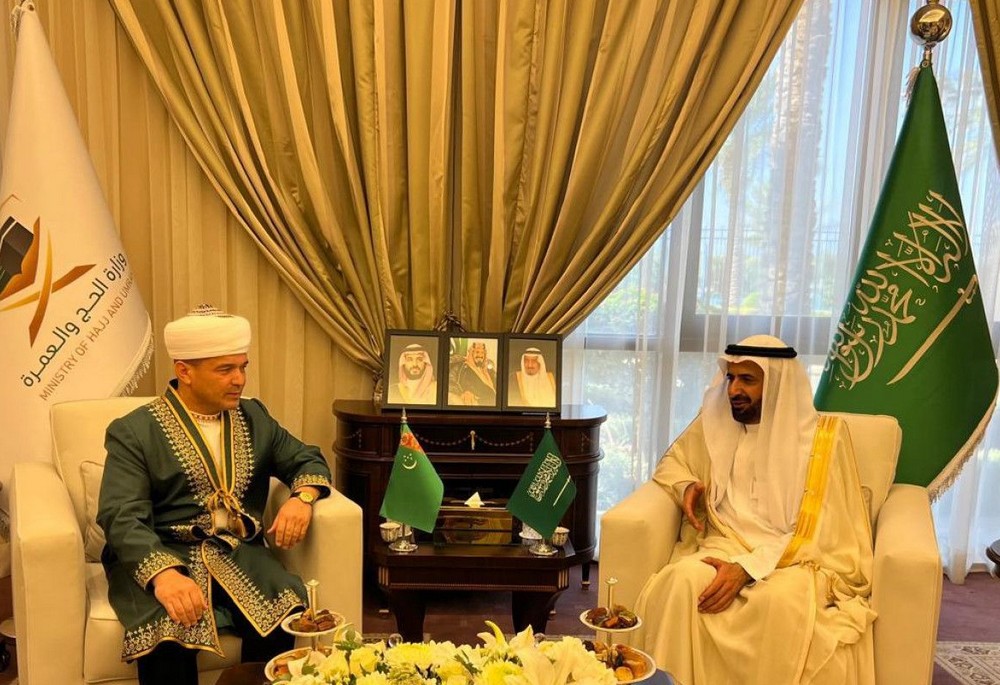
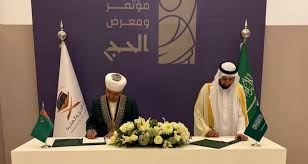
In a meaningful step that blends faith, diplomacy, and human connection, Turkmenistan and the Kingdom of Saudi Arabia have officially signed an agreement enabling Turkmen citizens to perform the Hajj pilgrimage in 2025. This agreement is far more than a procedural arrangement; it represents trust, cooperation, and a shared commitment to making one of Islam’s most sacred obligations accessible, safe, and spiritually fulfilling.
For thousands of Turkmen Muslims, the Hajj is not merely a journey it is a lifelong dream, a moment of deep reflection, and an act of devotion that connects them to millions of believers around the world. The newly signed agreement ensures that this sacred aspiration can be fulfilled under organized, supportive, and dignified conditions.
A Landmark Moment in Bilateral Relations
The signing of the Hajj agreement marks an important chapter in the evolving relationship between Turkmenistan and Saudi Arabia. While the two nations have long shared mutual respect and diplomatic ties, this agreement adds a deeply human and spiritual dimension to their cooperation.
Strengthening Bonds Through Faith
Religion has always played a unifying role in bringing communities together, and this agreement reflects that power. By working closely to facilitate the Hajj for Turkmen pilgrims, both governments demonstrate a shared understanding of the spiritual needs of their people.
This cooperation strengthens bilateral relations not only at the political level but also at the grassroots level, touching families, communities, and individuals who view the Hajj as the most profound experience of their lives.
Diplomatic Cooperation Beyond Formalities
The agreement highlights how diplomacy can extend beyond trade, energy, or infrastructure. It shows a commitment to people-centered policies where human values, beliefs, and cultural identity are placed at the forefront of international cooperation.
For Turkmenistan, this step reinforces its dedication to supporting religious freedoms within a structured and organized framework. For Saudi Arabia, it reflects its continued role as the custodian of Islam’s holiest sites and its responsibility to serve pilgrims from across the globe.
What the Agreement Means for Turkmen Pilgrims
For ordinary citizens, this agreement carries life-changing significance. It brings clarity, reassurance, and hope to those preparing for the sacred journey in 2025.
Organized and Secure Hajj Arrangements
One of the most important outcomes of the agreement is the guarantee of structured and officially coordinated Hajj arrangements. This includes travel logistics, accommodation, transportation within Saudi Arabia, and access to essential services during the pilgrimage.
Such organization is crucial, especially for elderly pilgrims or those traveling abroad for the first time. Knowing that their journey is supported by both governments allows pilgrims to focus on their spiritual preparation rather than logistical worries.
Enhanced Safety and Well-Being
In recent years, Saudi Arabia has invested heavily in improving safety, healthcare, and crowd management during Hajj. Through this agreement, Turkmen pilgrims will directly benefit from these advancements.
Medical services, emergency response systems, and trained personnel will be available to ensure that pilgrims can perform their rituals with peace of mind. This focus on well-being reflects the shared responsibility both countries feel toward the pilgrims.
Saudi Arabia’s Commitment to Serving the Ummah
Saudi Arabia has long emphasized its dedication to facilitating Hajj for Muslims worldwide. The agreement with Turkmenistan is another example of this ongoing mission.
Continuous Improvements in Hajj Management
Each year, Saudi Arabia introduces new technologies, infrastructure projects, and organizational strategies to enhance the pilgrimage experience. From smart cards and digital navigation systems to expanded holy sites, the Kingdom continues to modernize while preserving the sanctity of the rituals.
Turkmen pilgrims in 2025 will experience these improvements firsthand, benefiting from smoother processes and more accessible services.
Respect for Cultural and Linguistic Needs
Another key aspect of the agreement is the recognition of cultural and linguistic diversity. Pilgrims from Turkmenistan will have access to guidance and support that respects their traditions and language needs.
This inclusive approach helps pilgrims feel welcomed and understood, reinforcing the sense of global Muslim unity that lies at the heart of Hajj.
The Spiritual Significance of Hajj for Turkmen Muslims
For many Turkmen families, the Hajj is a dream passed down through generations. Parents pray for the chance to go, children grow up hearing stories of the pilgrimage, and entire communities celebrate when someone is selected to perform it.
A Journey of Faith and Transformation
Hajj is not just a physical journey to Mecca; it is an inner transformation. Pilgrims return with renewed faith, humility, and a deeper sense of purpose. The agreement ensures that more Turkmen Muslims can experience this profound spiritual renewal in 2025.
For individuals who have waited years, sometimes decades, this opportunity carries emotional weight that cannot be measured.
Community Pride and Shared Joy
When a pilgrim sets out for Hajj, the entire community shares in their joy. Neighbors offer prayers, families come together, and local mosques become places of collective hope.
The 2025 agreement amplifies this shared happiness, as it opens the door for a new group of pilgrims to represent Turkmenistan on one of the world’s most sacred stages.
Administrative Coordination and Transparency
Behind the spiritual beauty of Hajj lies complex coordination. The agreement ensures transparency and cooperation between relevant authorities in both countries.
Clear Quotas and Fair Selection
One of the key administrative elements involves the allocation of pilgrim quotas. The agreement helps establish clear guidelines on how many pilgrims can attend and how they are selected.
This clarity promotes fairness and trust, ensuring that the process is perceived as just and inclusive by the public.
Efficient Communication Channels
Direct communication between Turkmen and Saudi authorities will allow issues to be resolved quickly and efficiently. Whether related to documentation, health requirements, or travel schedules, this coordination minimizes confusion and delays.
For pilgrims, this translates into a smoother and more reassuring experience.
A Reflection of Turkmenistan’s Respect for Religious Values
Turkmenistan has consistently emphasized harmony, cultural heritage, and respect for traditions. Supporting citizens in fulfilling their religious duties aligns with these national values.
Supporting Faith Within a Modern Framework
The agreement shows how religious practices can be supported within a modern, organized system. By working with Saudi Arabia, Turkmenistan ensures that faith and structure coexist harmoniously.
This balance strengthens social cohesion and reinforces the idea that spiritual life and national development can move forward together.
Encouraging Responsible Pilgrimage
The structured nature of the agreement also encourages responsible pilgrimage. Pilgrims are better prepared, informed, and supported, reducing risks and enhancing the overall experience.
This responsible approach benefits not only individuals but also the broader international Hajj ecosystem.
Looking Ahead to Hajj 2025
As preparations begin, anticipation is growing among prospective pilgrims. The agreement provides a clear path forward and sets expectations early, allowing families and individuals to prepare emotionally, spiritually, and practically.
Early Preparation and Spiritual Readiness
With official confirmation in place, pilgrims can focus on spiritual readiness learning about the rituals, strengthening their faith, and preparing mentally for the journey.
This early preparation enhances the depth and meaning of the Hajj experience.
A Shared Vision of Unity and Peace
At its core, the Hajj symbolizes equality, humility, and unity. The agreement between Turkmenistan and Saudi Arabia reflects these same values at a national level.
It sends a powerful message that cooperation rooted in faith and respect can bring nations closer together.
A Step That Resonates Beyond Borders
While the agreement directly impacts Turkmen pilgrims, its significance extends beyond national boundaries. It contributes to the broader spirit of cooperation within the Muslim world.
Reinforcing Global Muslim Solidarity
By facilitating access to Hajj, the agreement strengthens bonds between Muslim communities worldwide. Each pilgrim becomes a bridge between cultures, carrying stories of kindness, patience, and shared devotion.
An Example of Positive International Cooperation
In a world often divided by conflict, such agreements stand as reminders that collaboration, respect, and shared values can still guide international relations.
Conclusion: Faith, Partnership, and Hope
The agreement between Turkmenistan and Saudi Arabia on performing Hajj in 2025 is a powerful example of how faith and diplomacy can work hand in hand. It honors the spiritual aspirations of thousands, strengthens bilateral ties, and reinforces the universal values of unity and compassion.
For Turkmen pilgrims, it is the promise of a sacred journey fulfilled. For both nations, it is a testament to cooperation built on trust and shared belief. And for the wider Muslim world, it is a hopeful reminder that when nations prioritize people and faith, meaningful progress follows.
Do follow Gulf Magazine on Instagram.
Also Read – London Business School Global Experience in Riyadh Aligns with Saudi Vision 2030

