


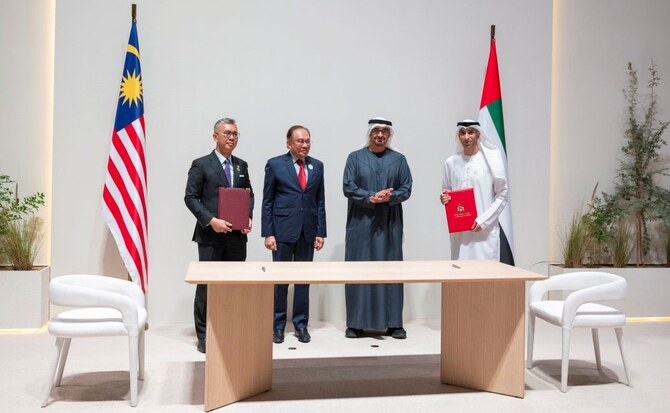
UAE and Philippines CEPA: Historic Economic Partnership Boosts Trade In a groundbreaking move, the United Arab Emirates (UAE) and the Philippines have signed a Comprehensive Economic Partnership Agreement (CEPA), marking the first-ever free trade agreement between a Middle Eastern country and the Philippine government. The pact is designed to deepen economic ties, promote investment, and create unprecedented opportunities for businesses, workers, and consumers in both nations.
This historic agreement underscores the commitment of both countries to strengthen bilateral relations and expand cooperation across a wide spectrum of sectors, ranging from trade and investment to services and manpower exchanges.
Expanding Trade Opportunities
Under the CEPA, businesses from the UAE and the Philippines will enjoy reduced tariffs, streamlined customs procedures, and easier market access. This will significantly boost the flow of goods and services, enhancing trade volumes and creating a more competitive environment for companies in both markets.
For Filipino exporters, this opens new avenues to introduce agricultural products, electronics, and manufactured goods to the UAE’s dynamic markets. Conversely, UAE firms can now expand their presence in the Philippines, particularly in sectors such as energy, logistics, technology, and infrastructure development.
Boosting Investment and Economic Growth
One of the core pillars of the CEPA is investment promotion. The agreement creates a more predictable and secure environment for investors, encouraging both nations to inject capital into key sectors. UAE investors are expected to explore opportunities in Philippine infrastructure, renewable energy, tourism, and finance, while Philippine companies can expand into UAE-led projects in real estate, transport, and industrial zones.
This influx of investment is expected to generate employment, foster entrepreneurship, and contribute to long-term economic growth in both nations. By facilitating smoother business operations, the CEPA also aims to attract global investors looking to leverage the strategic partnership between these two growing economies.
Enhancing Services and Skilled Workforce Exchange
Beyond goods and investment, the CEPA introduces significant cooperation in services and labor mobility. Filipino professionals in healthcare, education, and IT sectors can find smoother pathways to employment in the UAE, while UAE firms can benefit from the Philippines’ skilled workforce for regional projects.
This framework not only creates job opportunities but also strengthens professional exchange and knowledge transfer between both countries, fostering innovation and skill development. By opening doors for talent mobility, the CEPA promises to enhance human capital and meet the demands of evolving industries in both markets.
Strengthening Regional and Global Cooperation
The agreement signals a broader vision for regional collaboration. By establishing a strategic partnership, the UAE and Philippines aim to play a more active role in shaping trade and economic policies within the Asia-Pacific and Middle East regions. This cooperation can serve as a model for future agreements between Gulf nations and Southeast Asian economies, promoting sustainable development and mutual prosperity.
Positive Impact on Businesses and Consumers
For businesses, the CEPA translates into lower costs, improved supply chains, and more competitive pricing. For consumers, it promises a wider variety of products and services at more affordable prices. From enhanced access to fresh produce and electronics to increased investment in hospitality and tourism, everyday life for citizens in both countries is expected to benefit directly from this partnership.

A Strategic Step Toward Future Growth
The UAE-Philippines CEPA is more than a trade deal it represents a forward-looking strategy to create a resilient, interconnected, and prosperous economic corridor. By combining the UAE’s investment capacity with the Philippines’ dynamic labor force and growing market potential, both nations are poised to achieve long-term economic growth and strategic influence.
Officials from both countries have expressed optimism that this agreement will catalyze new initiatives, encourage entrepreneurship, and promote sustainable economic development. As global trade patterns evolve, this partnership positions both nations to thrive in an increasingly interconnected world.
Conclusion: A Historic Milestone in Bilateral Relations
The UAE and Philippines’ signing of the CEPA marks a historic milestone that will redefine trade, investment, and economic cooperation between the Middle East and Southeast Asia. By opening doors for businesses, enhancing talent mobility, and fostering innovation, this agreement promises to deliver long-lasting benefits for citizens, entrepreneurs, and investors alike.
As the world watches, the UAE-Philippines CEPA stands as a beacon of forward-thinking diplomacy, strategic collaboration, and shared prosperity. The agreement is set to strengthen bilateral relations for decades to come, creating a roadmap for future economic partnerships across the region.
Do follow Gulf Magazine on Instagram.
Also Read – Gulf Stock Markets Rise Strongly Amid Oil Price Surge

