


The Abu Dhabi Heritage Authority has taken center stage in highlighting the UAE’s growing role in preserving global cultural heritage. With an ambitious vision and a series of impactful policies, the Authority is strengthening the nation’s leadership in both local and international heritage conservation.
The announcement comes amid a broader cultural movement in the UAE, one that emphasizes the importance of identity, continuity, and collaboration in safeguarding history for future generations.
A New Chapter in Emirati Heritage Preservation
The Abu Dhabi Heritage Authority was officially established in early 2024 to unify all efforts dedicated to cultural and historical preservation under one umbrella. This move reflects the government’s recognition of heritage as a core pillar of the nation’s identity and long-term development.
As part of its mission, the Authority is focused on documenting traditional Emirati customs, practices, and crafts. It also aims to research historical literature, maintain oral histories, and safeguard both tangible and intangible cultural elements that define the UAE.
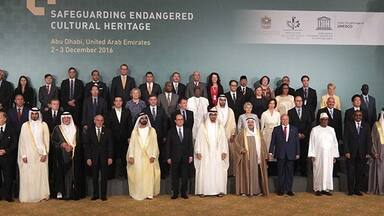
An official from the Authority shared, “Preserving our heritage is not only about the past; it’s about inspiring future generations. Our goal is to ensure that every citizen feels connected to their roots and understands the value of their culture.”
UAE’s Modern Heritage Now Under Protection
In a bold step forward, the UAE’s Ministry of Culture introduced the “National Policy for the Preservation of Modern Architectural Heritage” in March 2025. This landmark policy provides a unified national approach to protecting architectural landmarks built during the 20th and early 21st centuries.
While historical forts and archaeological sites have long been the focus of conservation efforts, this new policy shifts attention to modern buildings that reflect the UAE’s rapid development and cultural evolution. These structures tell the story of a young nation rising from the desert and becoming a global hub for innovation and tradition.
The policy outlines clear guidelines for identifying, documenting, and managing modern heritage sites, including schools, mosques, administrative buildings, and even residential complexes that have architectural or historical significance.
Experts believe this initiative marks a turning point in the UAE’s heritage strategy, as it balances the preservation of tradition with a respect for more recent cultural developments.
UNESCO Recognition Reinforces UAE’s Global Role
The UAE’s heritage preservation efforts are not only local—they have also been acknowledged on the global stage. The country has made significant contributions to UNESCO’s Intangible Cultural Heritage Lists, with 15 elements inscribed to date. These include traditional Emirati practices such as Al-Ayyala (a traditional dance), Arabic coffee traditions, falconry, and Al Sadu weaving.
In addition, the UAE has supported numerous international conservation projects and initiatives, especially in conflict-affected regions where cultural landmarks are at risk. Through funding, diplomacy, and logistical support, the nation has helped restore historical sites in Syria, Iraq, Mali, and beyond.
This global vision aligns with the UAE’s growing soft power and its commitment to multilateral cultural diplomacy. It showcases the nation’s role not just as a protector of its own history, but also as a responsible global partner in safeguarding the collective heritage of humanity.
Abu Dhabi’s Rich Cultural Landscape
Abu Dhabi, the capital of the UAE, is home to a diverse range of heritage sites that span thousands of years. One of the most famous is the Al Ain region, which includes archaeological sites such as the Hili Archaeological Park, known for its Bronze Age tombs and settlements. Al Ain was the first site in the UAE to be inscribed as a UNESCO World Heritage Site in 2011.
Nearby, Bidaa Bint Saud presents another window into the past, with remains from the Iron Age that reveal early agricultural and social developments in the region. These ancient landmarks offer valuable insights into the life and culture of early Emirati communities.
Abu Dhabi has also developed numerous cultural attractions that promote public engagement with heritage, including museums, festivals, and educational programs. Events such as the Sheikh Zayed Heritage Festival and Abu Dhabi Cultural Summit attract international attention and spark dialogue on cultural preservation, innovation, and exchange.
Technology Meets Tradition
The UAE is also using technology to revolutionize heritage conservation. Digital mapping, 3D scanning, and artificial intelligence are now being employed to document and preserve heritage sites more accurately and efficiently.
For example, high-resolution imaging is helping archaeologists and historians build digital replicas of ancient structures, making them accessible to people around the world. Virtual reality experiences are also being introduced in museums and exhibitions, allowing visitors to explore historical landmarks in immersive ways.
This tech-forward approach not only modernizes conservation practices but also makes heritage more engaging and relevant to younger generations.
Education and Youth Engagement
A major part of the UAE’s heritage strategy is ensuring that young people are actively involved. Schools and universities across the country are incorporating heritage education into their curricula. Students are encouraged to participate in field visits, storytelling workshops, and hands-on learning experiences that connect them to their cultural history.
By making heritage accessible and relatable, the UAE hopes to create a generation that values preservation and feels a strong sense of national identity.
Looking Ahead
The Abu Dhabi Heritage Authority has made it clear that preserving heritage is a long-term national goal. With government support, public engagement, and international collaboration, the UAE is building a sustainable future where the past is not forgotten but celebrated.
By bridging tradition and modernity, the country is crafting a unique narrative—one that honors its ancestors while inspiring innovation. Through its leadership in heritage conservation, the UAE is setting an example for the region and the world.
As the Authority continues its work, the message is clear: the UAE is not only preserving its history—it is shaping the future of global cultural heritage.
Australian Travelers Receive Complimentary Meals at Hamad International Airport

