

A Nation Taking Responsibility
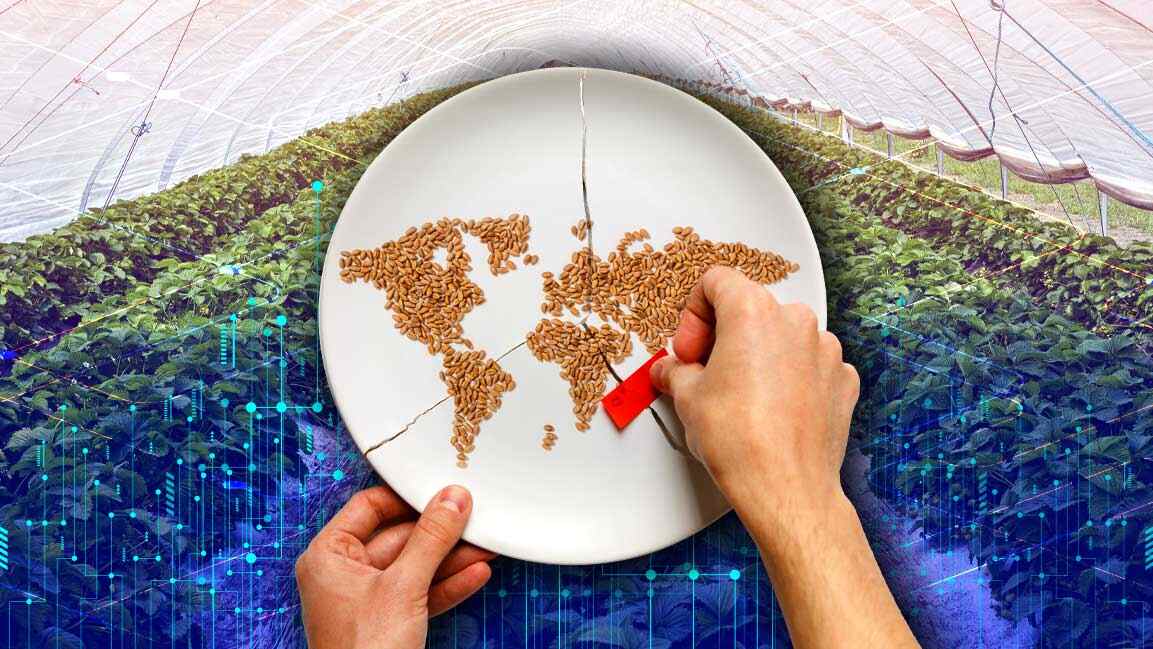
The United Arab Emirates has long been known as a land of ambition, resilience, and innovation. Rising from its desert landscape, the country has achieved remarkable growth in less than a century. Now, the UAE is channeling its energy and vision into one of the world’s most pressing challenges: food security and sustainability. At a time when global hunger, climate change, and dwindling natural resources are placing immense pressure on societies, the UAE is not only taking action at home but also guiding international efforts to secure a stable and sustainable food future.
Turning Challenges Into Opportunities
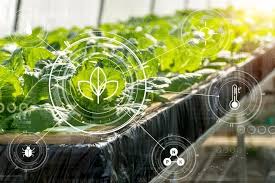
Geographically, the UAE faces unique obstacles in food production. Harsh desert conditions, limited freshwater resources, and a heavy dependence on imports once made self-sufficiency appear nearly impossible. Instead of allowing these realities to define its limitations, the UAE has transformed them into opportunities for innovation. Advanced technologies such as hydroponics, aquaponics, vertical farming, and smart irrigation systems are no longer futuristic concepts but integral parts of the nation’s agricultural strategy. These advancements allow crops to thrive in environments where traditional farming would fail, ensuring that food production is no longer bound by natural constraints.
Innovation at the Heart of Food Production
The UAE has embraced modern solutions to create a balance between demand and sustainability. Vertical farms across the country demonstrate how urban spaces can contribute to feeding populations without expanding agricultural land. These high-tech farms use significantly less water than conventional farming methods, aligning perfectly with the nation’s focus on water conservation. Similarly, aquaculture projects are enabling the UAE to meet the demand for seafood while protecting marine ecosystems from overfishing.
Moreover, the country’s investment in artificial intelligence and big data has revolutionized the way food is produced and distributed. Predictive analytics help farmers and producers forecast yields, optimize resources, and reduce waste. Robotics and drones are becoming common tools in farms, monitoring crops with precision and ensuring efficient use of energy and water. By placing technology at the heart of agriculture, the UAE is leading a global shift toward smarter and more sustainable food systems.
A Strong Focus on Partnerships
No nation can secure the future of food alone, and the UAE understands this well. The country has built strong partnerships with governments, international organizations, and private enterprises to strengthen global cooperation in food security. By hosting major summits and investing in international projects, the UAE has positioned itself as a key player in the dialogue on food systems transformation. These collaborations not only support innovation but also create bridges between countries, enabling shared knowledge and resources to flow where they are needed most.
For instance, the UAE has invested heavily in overseas agricultural lands, ensuring supply stability while supporting local economies abroad. These investments are carried out responsibly, emphasizing sustainable farming practices and knowledge transfer to benefit both the UAE and the partner countries. Such global cooperation reflects the country’s belief that food security is not a national issue alone but a collective responsibility.
The Role of Sustainability in Vision 2030 and Beyond
Food security is not merely about quantity; it is about ensuring that future generations have access to healthy, affordable, and sustainable food. This principle is deeply embedded in the UAE’s long-term strategies, including its National Food Security Strategy 2051. The strategy sets ambitious goals to make the UAE one of the most food-secure nations in the world by focusing on innovation, resilience, and global collaboration.
Aligned with the UAE Vision 2030 and its broader sustainability agenda, food security is seen as a cornerstone of national resilience. Reducing food waste, promoting local farming, and encouraging healthier diets are part of the social and cultural shift the government seeks to achieve. By integrating food security into its wider development goals, the UAE ensures that its progress in agriculture goes hand in hand with economic growth, social well-being, and environmental protection.
Food Waste Reduction as a National Priority
One of the most remarkable aspects of the UAE’s approach is its fight against food waste. Globally, millions of tons of food are wasted every year, even as millions go hungry. In a country with high levels of food imports, the challenge of waste is particularly significant. The UAE has addressed this by launching nationwide campaigns to raise awareness, encouraging businesses to adopt waste-reducing technologies, and promoting a culture of mindful consumption.
Innovative startups are creating mobile apps to connect surplus food with people in need, while hotels and restaurants are embracing new standards to minimize excess. Schools and communities are also being educated on the importance of reducing waste, making it a collective effort that goes beyond government initiatives. This focus on responsible consumption ensures that sustainability is embedded not only in production but also in everyday lifestyles.
Empowering the Next Generation
The UAE knows that the future of food security depends on the creativity and commitment of the next generation. Educational initiatives are introducing young people to agriculture, sustainability, and innovation at an early age. Universities are offering specialized programs in food science, biotechnology, and environmental studies to prepare a workforce ready to tackle tomorrow’s challenges.
Youth-led startups are also emerging as key players in shaping the future of food systems. From tech-driven agricultural solutions to community projects aimed at local sustainability, Emirati youth are proving that they are ready to carry forward the vision of a secure and sustainable future. Their passion and entrepreneurial spirit reflect the country’s broader culture of innovation and determination.
Global Humanitarian Role
The UAE’s commitment to food security extends far beyond its borders. Through international aid programs and charitable initiatives, the country has consistently supported communities in crisis. Whether responding to droughts, conflicts, or natural disasters, the UAE has ensured that vulnerable populations receive food assistance when they need it most. This humanitarian leadership reinforces the nation’s belief that prosperity and stability cannot exist without addressing hunger and malnutrition.
By positioning food aid as a cornerstone of its global humanitarian work, the UAE strengthens its role as a partner to nations struggling with insecurity. This approach goes beyond temporary relief, with investments aimed at building long-term resilience in communities so that they can achieve self-sufficiency.
Building Resilient Food Systems
The true strength of the UAE’s strategy lies in resilience. Global food systems face growing risks from climate change, supply chain disruptions, and geopolitical tensions. By diversifying food sources, investing in advanced agricultural methods, and strengthening storage and distribution networks, the UAE is building a food system that can withstand shocks and continue to provide for its people.
Food resilience also involves strengthening local agriculture. Community farms, urban gardening initiatives, and support for small-scale farmers are all part of the country’s effort to reduce dependency on imports. While imports will continue to play a role, the UAE is ensuring that it has the capacity to feed its people in times of crisis or disruption.
A Model for the World
The UAE’s journey in food security and sustainability offers valuable lessons for the rest of the world. It demonstrates how innovation can overcome natural limitations, how partnerships can expand opportunities, and how determination can turn vulnerability into strength. By balancing modern technology with responsible consumption and humanitarian responsibility, the UAE has created a model that other nations can adapt to their own circumstances.
As climate challenges intensify and populations grow, the global community is looking for leaders to guide the way. The UAE’s role in shaping the future of food systems places it at the forefront of this global effort. The country is not only protecting its own future but also contributing to a more stable and sustainable world.
Looking Ahead with Optimism
The road ahead will not be easy. Challenges such as climate change, population growth, and limited natural resources will continue to test food systems everywhere. Yet, the UAE approaches the future with confidence and optimism. By combining innovation, collaboration, and compassion, it has laid a strong foundation for success.
The nation’s vision extends beyond food on the table it is about creating a healthier planet, empowering people, and ensuring that no one is left behind. As the world watches, the UAE continues to prove that even in the harshest of landscapes, determination and ingenuity can grow solutions that feed the world.
Do follow Gulf Magazine on Instagram.
Also Read – Gulf Coast Traffic Updates Ensure Safer September Travel

