

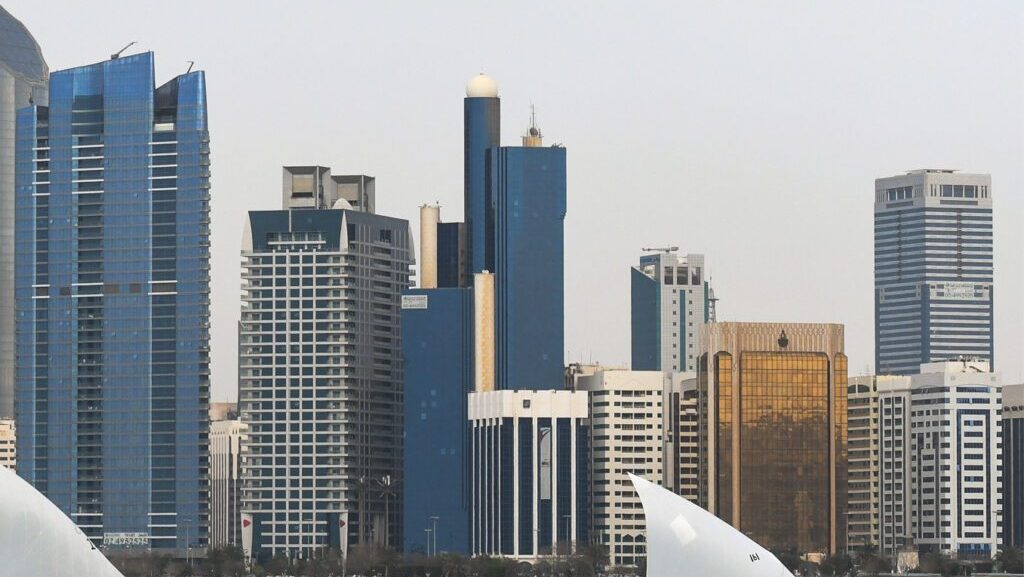
UAE population 2025 has reached a significant milestone: the United Arab Emirates (UAE) now records 11.44 million residents in 2025, marking one of the strongest spurts of demographic growth in its recent history. This surge is powered largely by expatriates moving in for work, business, and lifestyle opportunities.
A landmark number for the UAE population 2025
The latest data shows the UAE population for 2025 at around 11.44 million. That figure not only reflects continued steady growth in recent years but also underscores the UAE’s appeal as a destination for people from around the world.
While previous years showed the population crossing 11 million, the 11.44 million figure stands out as a clear record for the country’s resident base. This growth comes despite global headwinds and signals the UAE’s ability to attract and retain residents.
What’s driving the growth in the UAE population 2025?
Several key factors help explain why the UAE population 2025 is reaching new highs:
1. Expatriate influx:
The majority of residents are non-citizens—expatriates who come for work, investment, or family relocation. Reports show that the expatriate share of the population far exceeds the local citizen count.
2. Economic opportunities & business hubs:
Cities such as Dubai and Abu Dhabi continue to expand as hubs for commerce, tourism, finance, and logistics. The promise of jobs, tax-free income, modern infrastructure, and global connectivity makes the UAE a magnet for talent and labour.
3. Urbanisation and infrastructure investment:
With a largely urban population and heavy government investment in housing, transport, and amenities, the environment is increasingly suited to a growing resident base.
4. Relatively young demographic profile:
The UAE’s median age is estimated at around 31.6 years. A young, working-age population helps sustain growth in employment, consumption, and migration.
Breakdown and trends within the UAE population 2025
Here are some of the demographic features of the UAE population 2025 that stand out:
- The male population significantly outnumbers the female population, with around 7.24 million males versus 4.11 million females.
- Over 80 % of residents live in urban areas, highlighting the concentration of growth in cities.
- The expatriate community is dominant, with an estimated 10 million expatriates and about 1.31 million Emirati citizens.
- Among expatriates, Indian nationals form the largest group, with estimates of around 4 to 4.36 million residents in the UAE.
- Population density in the UAE is about 136 people per square kilometre.
Implications of the record UAE population 2025
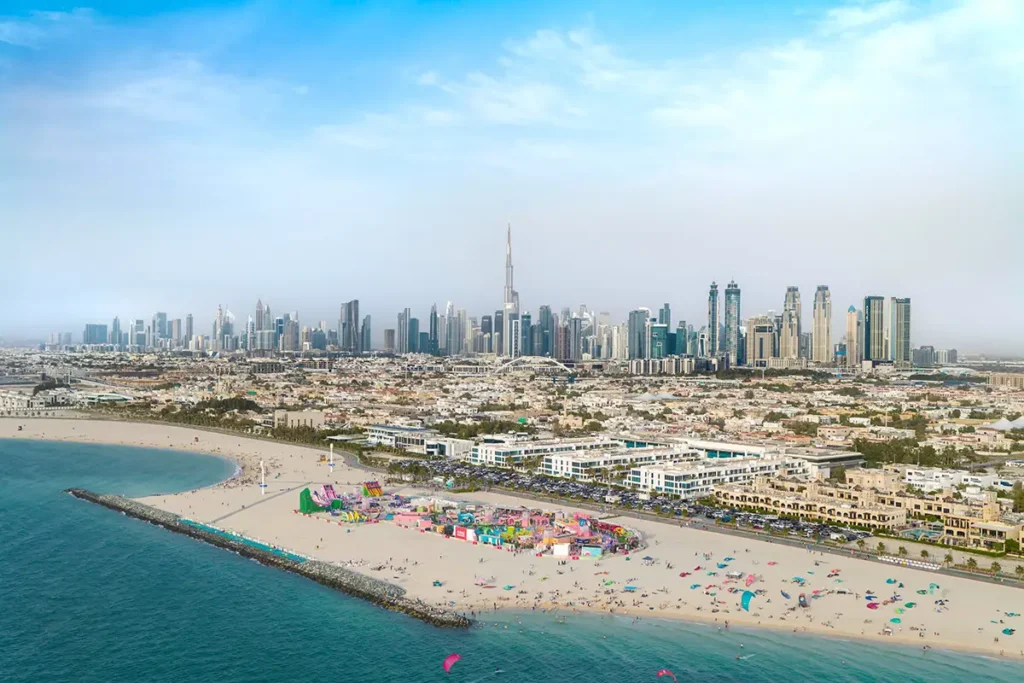
The growth of the UAE population 2025 carries multiple implications—economic, social, and policy-oriented.
Economic and labour-market impact
A larger resident population means:
- A bigger labour force, supporting construction, services, tourism, finance, and other sectors.
- Higher consumption: more residents means greater demand for housing, retail, transport, utilities, and lifestyle services.
- Challenges too: while expat numbers grow, salary increases in some cities like Dubai have stagnated amid rising living costs.
Infrastructure and housing pressures
Growth on this scale means infrastructure must keep up:
- Housing supply, transport networks, utilities, and public services all need scaling up.
- Cities may face rising rents and pressure on public amenities if growth outpaces supply.
- Urban planning and sustainability become key issues—as more people live in dense urban zones, the environmental and social infrastructure burden rises.
Social and demographic dynamics
With expatriates forming the majority of the population:
- The cultural and social fabric of the UAE continues to evolve, becoming increasingly diverse and cosmopolitan.
- The balance between preserving local identity and integrating newcomers becomes more important.
- Policies such as citizen employment quotas (like Emiratization) gain attention in this context.
Policy and strategic planning
For government and policymakers, the record UAE population 2025 means:
- Long-term planning: education, health, housing, and transportation need to keep pace with growth.
- Labour and migration policy: decisions on visas, foreign worker regulations, and citizenship issues may be influenced by demographic realities.
- Sustainability: ensuring that growth is environmentally and socially sustainable, with smart city initiatives, energy efficiency, and green infrastructure playing a role.
Looking ahead: What’s next for the UAE population 2025?
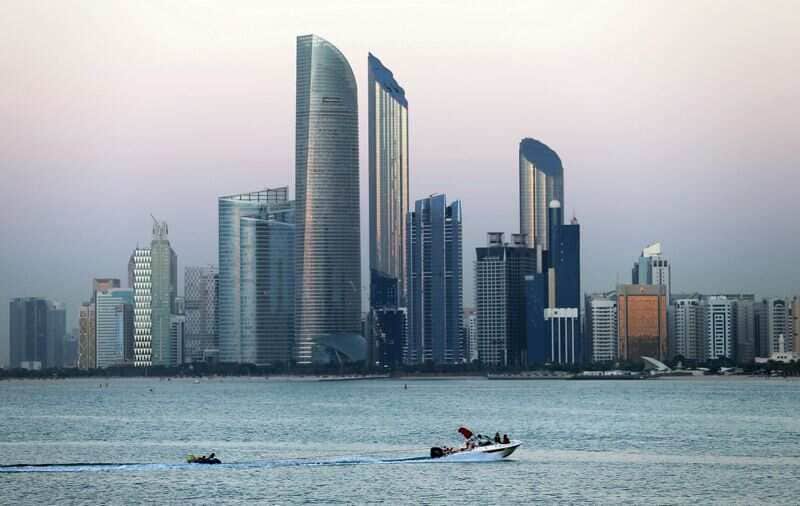
Given the current trajectory, several possible developments may shape the future:
- Continued growth, albeit potentially at a slower pace, as infrastructure, land, and services need to absorb more residents.
- Greater diversification in the composition of the population—both in terms of nationalities and skill levels.
- Urban expansion beyond traditional centres (Dubai and Abu Dhabi) to other emirates, reshaping the population map.
- Investments in quality of life, sustainability, and services to retain talent and remain competitive globally.
Why the milestone matters
The fact that the UAE has reached 11.44 million residents in 2025 is more than just a statistic—it signals the nation’s evolving identity as a global hub of migration, commerce, and multicultural living. It also underlines the country’s attractiveness and ability to absorb large numbers of people in a relatively short time.
For businesses, investors, and residents, this milestone is a marker of opportunity: expanding markets, richer talent pools, and emerging needs. For policymakers and urban planners, it’s a call to action: to develop the next generation of infrastructure, services, and social systems to match the pace of growth.
As the UAE population 2025 sets a new benchmark, the challenge and opportunity lie in managing growth in a way that remains inclusive, sustainable, and forward-looking.
In conclusion
UAE population 2025 reaching a record 11.44 million residents marks a significant moment in the country’s demographic journey. Fueled by a vast expatriate community, strong economic magnetism, and urban development, this milestone reflects both success and responsibility. The next phase will test how well the UAE can turn numbers into sustainable living, productive workforces, and thriving societies.
Do Follow Gulf Magazine on Instagram
Also read: Saudi Arabia’s Secondary Cities: The Next Big Thing in Tourism Investment

