


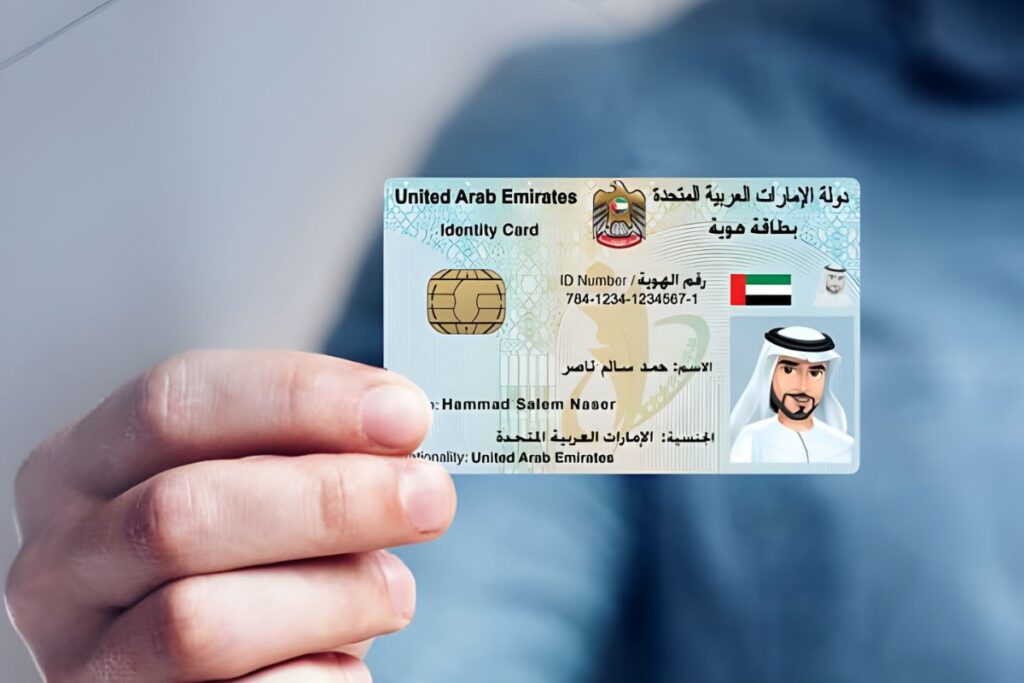
The United Arab Emirates is taking a major leap into the future by announcing a new identity verification system that will replace physical Emirates ID cards. This innovative initiative will rely on biometric technology, particularly facial recognition and artificial intelligence, to authenticate individuals securely and conveniently. The transformation is set to impact millions of residents and reshape how identity is perceived and used in daily life.
A Smart Move Toward the Future
This bold step by the UAE government is part of a broader push to modernize public services and enhance the nation’s digital infrastructure. Instead of carrying a physical ID, residents will soon verify their identity using facial recognition through a secure mobile application. The system will be integrated into services across sectors such as banking, healthcare, telecommunications, aviation, and public administration.
The biometric authentication will be embedded within a smart platform designed to offer users seamless access to services, from airport check-ins to renewing visas and accessing medical records. The application is expected to provide convenience while eliminating the risk of losing or misplacing a physical card.
Why This Change Matters
With the rapid pace of digital transformation across the globe, traditional forms of identification are beginning to feel outdated. Plastic cards with embedded chips were once considered high-tech, but they are now giving way to more secure and efficient options. By adopting facial recognition and biometric authentication, the UAE is not just keeping pace—it is setting a benchmark for digital identity systems.
This transition addresses several challenges with current ID systems. It reduces the need for physical documentation, lowers the risk of identity theft, and significantly cuts down on fraud. Moreover, in a world still adjusting to the post-pandemic reality, contactless solutions are more essential than ever. The ability to authenticate oneself without handing over a card or touching a fingerprint scanner speaks to the growing demand for hygienic and non-invasive verification.
Security Meets Simplicity
Security is at the heart of this change. Facial recognition offers a more advanced layer of protection compared to traditional methods. Since no two faces are identical, the margin for error is significantly reduced. The new system uses deep learning models to analyze facial features in real-time, ensuring each transaction or verification is safe and accurate.
At the same time, the user experience is made simpler. Instead of remembering multiple passwords, pin codes, or carrying extra documentation, residents will be able to unlock services with a single glance at their phone camera. The convenience is expected to increase public satisfaction and reduce administrative workload across departments.
Support from Major Institutions
This change is not being made in isolation. Several of the UAE’s most prominent institutions are already preparing for integration with the new system. Banks are expected to allow facial recognition logins for secure online banking. Hospitals will use the ID for instant access to patient records. Airlines and airports may soon allow travelers to pass through immigration and boarding gates with a smile—literally.
Retail and hospitality industries are also anticipated to benefit. Hotels may use facial recognition to speed up check-ins, while telecom providers might implement it to activate new SIM cards or manage account services.
Falling in Line with Visionary Goals
The replacement of Emirates ID with a biometric system is aligned with the UAE’s broader “Government Bureaucracy Elimination Plan.” This strategic national initiative aims to streamline governance, reduce paper dependency, and increase operational efficiency. It also supports the UAE’s long-standing goal to become a global hub for smart cities and digital excellence.
Authorities have been testing the system internally and gathering feedback before rolling out the service to the public. The mobile application that powers the new ID will include additional features such as digital document storage, service tracking, and real-time notifications, making it more than just a verification tool—it will be a central hub for public and private services.
What Residents Should Expect
The change will not be immediate, but it is expected to take effect within the next year. Residents will be gradually onboarded into the new system through a phased rollout. Public awareness campaigns, tutorials, and customer support services will be part of the transition to help people adjust.
While physical Emirates ID cards will still function during the transition period, residents are encouraged to download the digital ID app once it becomes available and enroll their biometric data. This will involve a simple face scan and basic identity validation to get started.
Importantly, authorities have stressed the importance of data privacy and protection. The biometric data collected will be encrypted and stored securely, with strict policies in place to prevent misuse.
A Model for the Region and Beyond
By adopting such futuristic technologies, the UAE is once again positioning itself as a pioneer in innovation. The successful implementation of biometric identification could serve as a model for other nations looking to modernize their identity systems. As more governments grapple with digital transformation, the UAE’s experience may provide valuable insights into both the opportunities and the challenges of replacing traditional IDs with smart systems.
This move isn’t just a technological upgrade—it’s a cultural and administrative shift. It reflects a growing trust in AI, a maturing digital infrastructure, and a government that is unafraid to think beyond conventional norms to serve its people better.
In the coming months, all eyes will be on the UAE to see how effectively this new system is deployed and how quickly it is embraced by the public. Given the country’s strong track record in tech adoption, there is little doubt that this initiative will mark another milestone in the UAE’s journey toward a truly digital society.
UAE and Ghana Forge Stronger Diplomatic Bonds for Mutual Prosperity

