


In recent years, the Gulf region has been making headlines for more than its rich culture, luxury shopping, and futuristic skylines. It is now fast becoming one of the most attractive destinations for medical tourism and medical travel. Countries like the United Arab Emirates, Saudi Arabia, and Qatar are seeing a sharp rise in international visitors not just for leisure but also for healthcare.
Medical tourism—when people travel to another country to receive medical treatment—has been growing globally. However, the Gulf is making an especially strong impact due to its world-class hospitals, highly trained doctors, and luxurious recovery options.
Why Patients Are Choosing the Gulf
There are many reasons why more people are choosing the Gulf for medical treatment. One major reason is the availability of high-quality care. Many hospitals in cities like Dubai, Abu Dhabi, and Riyadh now meet or even exceed international medical standards.
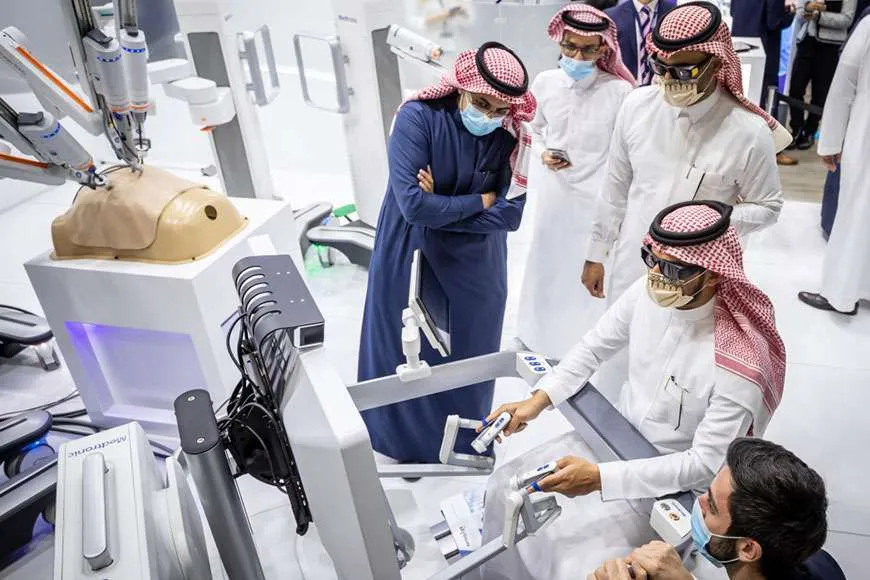
From cosmetic surgery and dental care to serious heart surgeries and cancer treatments, patients can find a wide range of services. In fact, some hospitals in the region now specialize in complex procedures and use the latest technology, including robotic surgeries and advanced diagnostics.
Another reason is the comfort and luxury offered by Gulf healthcare facilities. Patients are not just treated medically—they’re also pampered. Many hospitals offer private rooms that feel more like five-star hotel suites, complete with fine dining and personal care services. This attention to comfort makes the recovery process easier and more enjoyable.
Cost-Effective Yet Luxurious

While the Gulf is known for luxury, many people are surprised to find that medical procedures are actually more affordable here compared to Western countries.
For example, surgeries that might cost tens of thousands of dollars in the U.S. or Europe can be done at a fraction of the price in the Gulf, without compromising on quality. This makes it a win-win for patients: top-tier care and a chance to recover in a beautiful, sunny destination.
Some countries in the region also offer packages that include medical care, hotel stays, and even tourism activities—all in one. This kind of all-inclusive service makes the experience smooth and stress-free for international patients.
Government Support Is Driving Growth
Governments across the Gulf are playing a big role in boosting medical tourism. The UAE, for instance, has launched national strategies to position the country as a global leader in health tourism.
Dubai’s Health Tourism Department actively promotes the city as a center for specialized treatment. It also works with hospitals and clinics to ensure international standards and support patient needs like visa processing and translation services.
Saudi Arabia is also investing billions in its healthcare sector as part of Vision 2030. The country is building new hospitals and medical cities that focus on international care. These efforts are not only improving local healthcare but also attracting patients from around the world.
Gulf Hospitals Are Winning Global Recognition
Many hospitals and clinics in the Gulf have received global accreditations and awards. International accreditations like Joint Commission International (JCI) and certifications from international medical boards give patients confidence in the quality of care.
Some Gulf doctors are also internationally trained, with experience in the U.S., UK, and Europe. This builds trust among foreign patients, especially those who are looking for specialists with strong track records.
Cities like Dubai and Doha now have healthcare zones or districts that serve as dedicated spaces for medical excellence. These include state-of-the-art clinics, research centers, and wellness hubs that work together to offer a full range of medical services.
A Hotspot for Wellness and Alternative Treatments
Beyond surgeries and medical procedures, the Gulf is also becoming a hotspot for wellness tourism. Visitors are coming for spa therapies, weight-loss treatments, and holistic medicine like acupuncture and Ayurveda.
Luxury resorts in the region now offer wellness packages that include detox diets, yoga retreats, and mental health counseling. For people who want to combine health improvement with relaxation, the Gulf offers one of the best settings in the world.
Even dental tourism is booming. Many visitors come for cosmetic dentistry, such as teeth whitening and veneers, often combining it with a short vacation.
Popular Treatments Tourists Seek in the Gulf
Medical tourists travel to the Gulf for various treatments, but some areas are especially popular. These include:
- Cosmetic surgery: liposuction, facelifts, rhinoplasty
- Fertility treatments: IVF and other reproductive health services
- Cardiology: heart surgeries and screenings
- Orthopedics: joint replacements and spine surgeries
- Dentistry: cosmetic and general dental care
- Dermatology: skincare and anti-aging treatments
These services are often delivered in a way that combines medical professionalism with spa-like comfort, setting a new standard in patient care.
Patients From Around the World
The Gulf’s medical tourism boom is attracting visitors from all over the world. People from Africa, Asia, Europe, and even North America are flying in for treatment.
Many African patients, for instance, choose the Gulf for advanced surgeries that are not available at home. Asian patients often visit for cosmetic and dental work. Westerners are drawn by the mix of luxury, speed, and affordability.
This international appeal is helping Gulf cities climb the global rankings in medical tourism. Dubai, for example, is already listed among the top ten medical tourism destinations worldwide.
Looking Ahead: A Healthier Future
As the world continues to prioritize health and wellness, the Gulf is well-positioned to become a long-term leader in medical tourism.
With ongoing investments in healthcare infrastructure, strong government support, and a focus on patient-centered care, the region’s potential is only growing.
Future plans include more digital health services, better patient travel assistance, and deeper partnerships with international insurance providers. These efforts will make it even easier for patients to access Gulf healthcare in the years to come.
Also read: The Cultural Comeback of the Gulf: Crafts Telling Old Stories

