

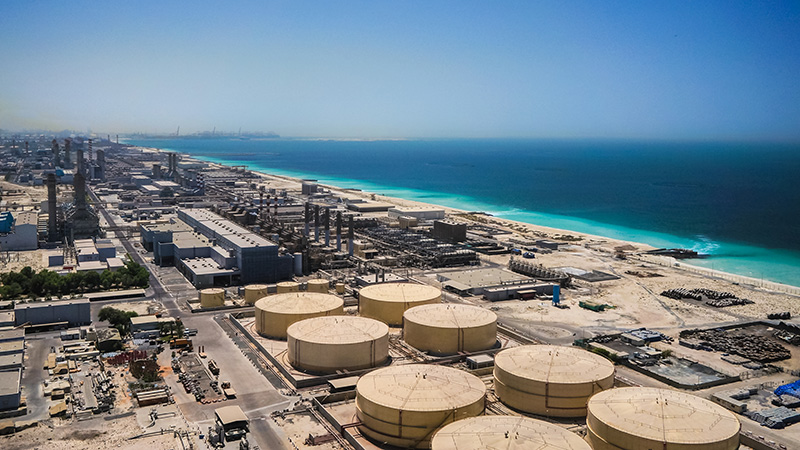
Desalination has long been hailed as the lifeline of the Arabian Gulf, turning the region’s abundant seawater into a vital source of freshwater. With rising populations, arid climates, and scarce natural water resources, countries like Saudi Arabia, the United Arab Emirates, and Kuwait rely heavily on this technology to sustain daily life, industry, and agriculture. On the surface, desalination seems like an innovative solution to the Gulf’s chronic water shortages. However, beneath the glimmer of progress lies a web of hidden costs that affect the environment, society, and long-term economic stability.
Understanding these costs is crucial for policymakers, businesses, and communities striving for sustainable development. While desalination ensures water security, it carries consequences that are often overlooked in the rush to secure immediate water supply. This article explores the economic, environmental, and social implications of desalination in the Arabian Gulf and why a balanced approach is necessary.
The Economic Burden of Desalination
Desalination plants are expensive to build and maintain. The infrastructure requires high initial investments, often running into billions of dollars, depending on the scale of the project. Beyond construction, the operational costs remain high due to the energy-intensive nature of desalination processes. Producing one cubic meter of freshwater consumes significant amounts of electricity, often generated from fossil fuels, which in turn increases national energy bills.
For Gulf countries, where energy might be relatively cheap due to abundant oil and gas reserves, the cost might seem manageable. However, hidden economic pressures emerge when considering long-term sustainability. Maintenance, repair, and upgrading of plants require continuous financial input. Additionally, reliance on desalination can create a form of “water dependency,” where countries invest heavily in imported technologies and expertise rather than promoting water conservation strategies or alternative solutions like groundwater management and sustainable agriculture practices.
Environmental Impact: More Than Just Salty Water
The environmental toll of desalination is substantial and often underestimated. The process generates large amounts of brine a highly concentrated salt byproduct which is usually discharged back into the sea. This brine can drastically increase salinity levels in surrounding waters, disrupting marine ecosystems, harming fish populations, and affecting local fisheries.
Moreover, the intake of seawater for desalination often sucks in small marine organisms, damaging local biodiversity. This silent ecological cost is rarely visible in day-to-day life but can lead to long-term deterioration of the Gulf’s unique marine environment. Coral reefs, mangroves, and other delicate ecosystems face pressure from both increased salinity and temperature changes linked to energy consumption from desalination plants.
The heavy reliance on fossil fuels for powering these plants also contributes to greenhouse gas emissions, indirectly affecting global climate change. Although Gulf nations are increasingly exploring renewable energy sources, the transition is gradual, and the current energy-intensive processes remain a challenge.
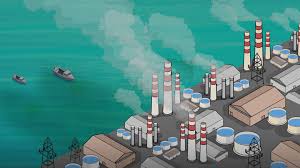
Social Consequences and Public Health Concerns
Desalination’s hidden costs extend beyond economics and ecology—they touch the social fabric of Gulf societies. While urban areas benefit from a steady water supply, rural regions often face inequities. Desalinated water can be expensive for residential consumers, particularly in private developments or industries where water tariffs are high. This may create social disparities in access to clean water.
Additionally, some studies suggest that desalinated water can have lower mineral content compared to natural freshwater sources. While generally safe, prolonged consumption without proper mineral supplementation may affect public health, especially in vulnerable populations such as children and the elderly. Communities reliant solely on desalinated water may unknowingly face nutritional deficiencies over time.
The Hidden Costs to Industry and Agriculture
Industries and agriculture in the Arabian Gulf also bear indirect costs due to desalination. High water prices increase production costs, particularly for water-intensive industries like food processing, landscaping, and certain manufacturing sectors. Agricultural operations face a unique challenge: desalinated water is often slightly saline, which can affect soil quality and crop yields over time. Farmers may need to invest in additional soil treatment or irrigation technologies, further increasing operational expenses.
Overdependence on desalination for industrial water needs can also hinder innovation in water-saving technologies or encourage unsustainable practices. Industries may focus on short-term productivity instead of adopting long-term conservation strategies, potentially amplifying environmental and economic burdens.

Alternative Approaches and Solutions
While desalination remains critical, Gulf countries are exploring ways to mitigate its hidden costs. Renewable energy integration, such as solar-powered desalination, can reduce the carbon footprint and long-term operational costs. Advanced brine management techniques, including deep-sea discharge dilution and salt recovery, are gaining attention to minimize ecological harm.
Water conservation campaigns and infrastructure upgrades, like leak-proof urban networks and smart irrigation systems, can reduce overall demand and complement desalination. Policymakers are also considering a mix of strategies, including groundwater recharge, wastewater treatment, and rainwater harvesting, to create a more resilient water ecosystem.
Conclusion
Desalination is undoubtedly a marvel of modern engineering, offering hope and sustenance to the arid lands of the Arabian Gulf. Yet, its hidden costs economic pressures, environmental degradation, social inequities, and industrial challenges highlight the complexity of relying on a single solution for water security.
The future of Gulf water management depends on balancing immediate needs with sustainable practices. By acknowledging and addressing these hidden costs, governments, industries, and communities can ensure that desalination remains a lifeline without undermining ecological health, social equity, or long-term economic stability. The path forward lies in innovation, conservation, and careful planning turning the promise of desalination into a truly sustainable resource for generations to come.
Do follow Gulf Magazine on Instagram.
Also Read – DPI Deployment to Boost Secure Trade

