

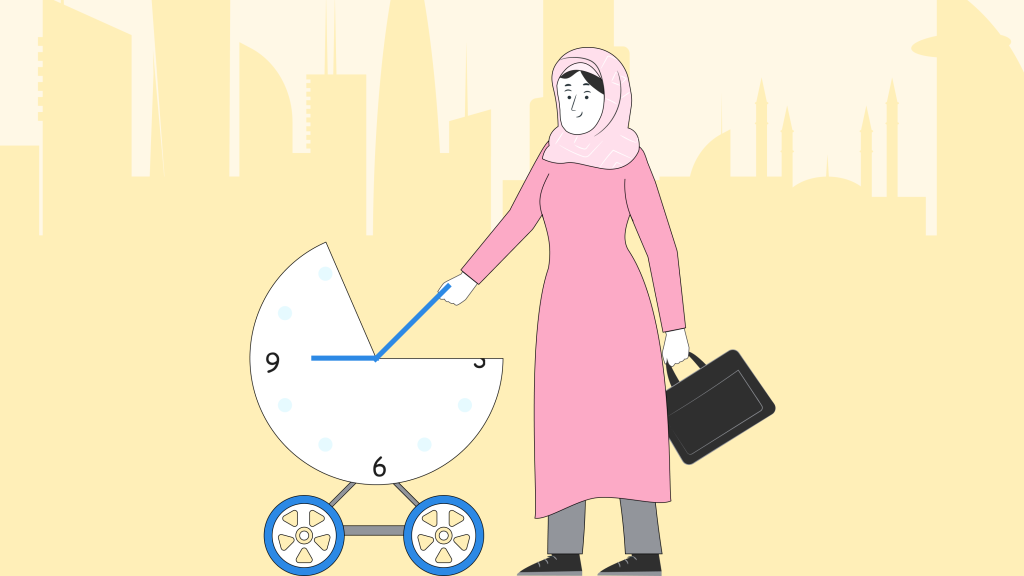
Navigating the complexities of maternity laws in the Gulf can be both daunting and confusing. As more women enter the workforce in this region, understanding these laws becomes crucial for expecting mothers and their employers alike. The Gulf countries, each having their unique regulations, are working towards enhancing the rights of working women. This article will explore the maternity laws in Gulf countries, providing insights that empower mothers while ensuring compliance for employers.
Maternity Leave: A Right or A Privilege?
In many Gulf countries, maternity leave is a fundamental right for female employees. However, the specifics can vary significantly from one nation to another.
In Saudi Arabia, women are entitled to 10 weeks of maternity leave, which can be taken before or after childbirth. This leave is often paid at a percentage of the employee’s salary, depending on the company’s policies. In the United Arab Emirates (UAE), the law has evolved to offer 60 days of maternity leave, with the first 45 days being fully paid.
Bahrain also provides generous maternity leave, allowing 60 days, with the first 30 days fully paid and the next 30 days at half pay. These variations illustrate the different approaches to maternity leave across the Gulf region, showcasing a growing recognition of the need for support for working mothers.
Understanding Paternity Leave in the Gulf
While maternity laws in Gulf countries often receive more attention, it’s essential to recognize the role of paternity leave as well. Many Gulf nations have begun to introduce or expand paternity leave, acknowledging the importance of a father’s involvement during the early stages of a child’s life.
In the UAE, fathers are entitled to five days of paid paternity leave, which provides them the opportunity to support their partners during this transformative time. Similar provisions exist in Qatar and Bahrain, though the amount of leave may vary. This shift towards including paternity leave reflects a broader understanding of family dynamics.
Health Benefits and Medical Support
In addition to maternity leave, health benefits play a significant role in maternity laws in Gulf countries. Most employers are required to provide health insurance that covers prenatal and postnatal care. This includes regular check-ups, hospital stays during childbirth, and necessary medical procedures.
In Saudi Arabia, for instance, the healthcare system provides comprehensive maternity care, which is crucial for ensuring the health of both mother and child. In the UAE, the mandatory health insurance covers a range of services, ensuring that mothers have access to quality medical care throughout their pregnancy.
Job Security and Protection Against Discrimination
One of the most critical aspects of maternity laws in the Gulf is job security for expecting mothers. Employers are prohibited from dismissing employees due to pregnancy or maternity leave. This protection is vital for ensuring that women do not face discrimination in the workplace merely because they are starting a family.
In the UAE and Saudi Arabia, legislation explicitly states that women should not face any adverse effects on their employment status due to maternity leave. This legal framework not only supports women but also encourages a more inclusive work environment.
The Role of Employers in Supporting Maternity Rights
Employers play a crucial role in shaping the experience of maternity leave. In many Gulf countries, companies are encouraged to go beyond the legal minimum, providing additional benefits such as extended maternity leave, flexible work hours, and breastfeeding facilities.
Organizations that adopt family-friendly policies often find themselves at an advantage, as they attract and retain talented employees. By creating a supportive environment for working mothers, employers can foster loyalty and improve overall workforce morale.
Recent Changes and Developments in Maternity Laws
The landscape of maternity laws in Gulf countries is continuously evolving, reflecting changing societal norms and the growing importance of gender equality. Recent years have seen several developments aimed at enhancing maternity rights.
For instance, the UAE has seen legislative changes that expanded maternity leave and improved health benefits for mothers. Similarly, Qatar has introduced policies that support not only maternity leave but also parental leave, recognizing the need for both parents to be involved.
These changes represent a significant step forward, but there is still work to be done to ensure comprehensive support for mothers in the workforce.
Challenges and Barriers to Maternity Rights
Despite the advancements in maternity laws in the Gulf, challenges remain. Many women still face cultural barriers that discourage them from taking full advantage of their maternity rights. In some cases, societal expectations may lead women to feel guilty about taking leave or seeking accommodations for their health needs.
Additionally, there is a lack of awareness among employers about the legal rights of their employees, which can lead to unintentional violations of maternity laws. It is crucial for both employees and employers to be informed and proactive in understanding these rights.
Future Trends in Maternity Laws in Gulf Countries
As the Gulf region continues to evolve, the future of maternity laws looks promising. With an increasing emphasis on women’s rights and gender equality, we can expect to see further enhancements in maternity benefits.
Countries may adopt more comprehensive parental leave policies, allowing both mothers and fathers to take time off to care for their newborns. Additionally, as more companies recognize the value of diversity and inclusion, there may be a shift towards creating more supportive work environments for families.
Conclusion: Embracing Change in Maternity Laws in Gulf
Understanding maternity laws in the Gulf is vital for both employees and employers. As the region progresses towards more inclusive policies, the rights and well-being of working mothers will continue to gain importance.
By staying informed and advocating for supportive workplace policies, we can collectively contribute to a more equitable future for all families. The journey towards comprehensive maternity rights in the Gulf is ongoing, but with each step, we are moving closer to a society that values family and work-life balance.
Do follow Gulf Magazine on Instagram
Also Read – Smart Investment Opportunities for Expats and Locals

