

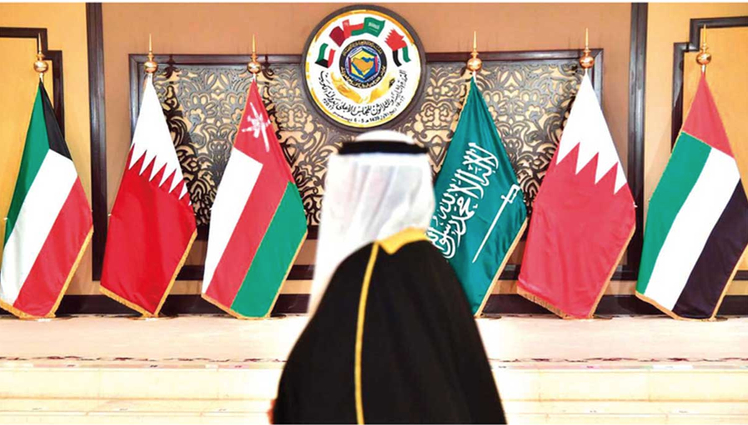
A New Era of Tax Policies in the Gulf
In 2025, several Gulf countries are introducing new tax reforms that are set to change the way businesses operate. These changes are part of a broader effort to diversify economies, increase government revenues, and align with global financial practices.
For years, the Gulf region was known for its tax-free business environment. However, that is now evolving. Governments are introducing new tax laws to support long-term economic goals. These reforms may seem challenging at first, but they are also opening doors to stronger financial systems, better transparency, and more investor confidence.
Why Are Tax Reforms Happening Now?
Over the past decade, Gulf countries have been working to move away from their dependence on oil. With fluctuating oil prices and a growing youth population, governments have been forced to find alternative sources of income. Taxation is one way to ensure more stable and predictable revenues.
Additionally, global pressure for financial transparency and accountability has pushed many countries, including those in the Gulf, to update their tax systems. By doing so, they hope to attract more international investment and promote fair competition.
Key Tax Changes Businesses Need to Know

In 2025, the most talked-about reform is the expansion of corporate tax. The United Arab Emirates (UAE) has already announced a 9% corporate income tax on profits above a certain threshold. Other countries, such as Saudi Arabia and Oman, are also adjusting their tax policies.
These reforms include:
- Corporate Income Tax: Companies will now have to pay tax on their profits if they exceed a specific amount. Small businesses may be exempt or taxed at a lower rate.
- Value-Added Tax (VAT): This has already been introduced in many Gulf countries, but rates and rules are being reviewed and updated.
- Transfer Pricing Regulations: These rules ensure that transactions between related companies are done fairly and at market value.
- Zakat and Other Local Levies: In Saudi Arabia, for example, Zakat will continue alongside corporate tax for certain types of companies.
Impact on Small and Medium Businesses
Many small and medium-sized enterprises (SMEs) are concerned about how these tax reforms will affect them. The good news is that most governments are trying to support SMEs during this transition.
In the UAE, for example, only businesses with profits above AED 375,000 will be taxed. This means that many small startups and entrepreneurs will not have to pay corporate tax immediately. However, all businesses—big or small—must now maintain proper accounting records and file tax returns on time.
SMEs are being encouraged to hire accountants or use digital software to ensure they are compliant with new rules. Governments are also offering guidance, workshops, and support centers to help small businesses adapt.
How Large Corporations Are Responding
Big companies operating across the Gulf are already adjusting their business strategies. Many are hiring tax advisors, reviewing their financial structures, and training staff on new tax laws. Some are even setting up separate tax departments to ensure full compliance.
Multinational corporations with branches in multiple countries are paying special attention to transfer pricing rules. These laws prevent profit shifting and ensure fair taxation.
The changes are also prompting many companies to improve internal governance and become more transparent in their financial reporting.
The Role of Technology in Tax Compliance
Technology is playing a big role in helping businesses manage these new tax requirements. From cloud-based accounting systems to government e-portals, digital tools are becoming essential.
Several Gulf tax authorities are launching online platforms where companies can register, file returns, and make payments. This not only saves time but also reduces errors and increases trust in the system.
For example, the UAE’s Federal Tax Authority has introduced a user-friendly online system that makes it easier for businesses to comply with VAT and corporate tax.
Companies are also using automated tools to track their financial transactions and generate reports that align with tax rules. This digital shift is improving efficiency and reducing the risk of penalties for late or incorrect filings.
Preparing for the Future
For Gulf businesses, 2025 will be a year of adjustment. The key to success lies in preparation and education. Companies that take the time to understand the reforms, update their systems, and seek expert advice will have a smoother experience.

Here are some important steps every business should consider:
- Understand the Tax Rules: Read official guidelines and attend workshops offered by tax authorities.
- Review Financial Records: Make sure your accounts are accurate and up to date.
- Get Professional Help: Work with tax consultants or hire experienced financial staff.
- Invest in Technology: Use digital tools to automate and simplify tax compliance.
- Plan for the Long Term: Include taxes as part of your yearly business planning and budgeting.
Positive Outcomes for the Gulf Economy
While the shift to a more tax-based system may seem tough, it brings many long-term benefits. It creates a stronger and more stable economy, encourages fair competition, and aligns local businesses with global standards.
Governments will also have more resources to invest in infrastructure, education, healthcare, and innovation. This means a better business environment overall.
Investors, both local and foreign, feel more confident when a country has clear and reliable tax rules. This could lead to more foreign investment and job creation in the coming years.
Final Thoughts
Tax reforms in the Gulf are not just about collecting money—they are about building a better future. These changes bring structure, accountability, and stability to the business world.
2025 will be a turning point for many companies. The road ahead may have challenges, but with the right tools and knowledge, Gulf businesses can not only survive but thrive in this new era of taxation.
Understanding the changes, preparing early, and staying flexible will be the keys to success. As the region moves forward, businesses that adapt will find themselves in a stronger, more competitive position for years to come.
Also read: The Rise of Artificial Intelligence in Gulf Healthcare

