


United Solar has officially begun polysilicon production at its newly established plant in Oman, marking a significant milestone in renewable energy expansion. This facility is expected to support the manufacturing of 40 gigawatts of solar modules, reinforcing United Solar’s position as a global leader in clean energy solutions. The Oman plant symbolizes a major step toward reducing dependence on fossil fuels and accelerating the transition to sustainable power.
The launch of this plant is not just about production capacity; it represents a strategic move to address the growing global demand for solar energy. With countries worldwide committing to ambitious clean energy targets, the ability to produce high-quality polysilicon domestically in Oman ensures a more stable and scalable supply chain for solar module manufacturing.
Why Oman Was Chosen
Oman’s strategic location, combined with its commitment to renewable energy development, made it an ideal choice for United Solar’s expansion. The country offers ample solar resources, a favorable regulatory environment, and access to international markets. These factors collectively create an ecosystem where clean energy can thrive efficiently and sustainably.
The facility also aligns with Oman’s national vision to diversify its economy and strengthen its position in the renewable energy sector. By investing in local production, United Solar supports job creation, technology transfer, and knowledge development in the region. This partnership benefits both the company and Oman’s long-term economic growth.
Advanced Technology and Production Capacity
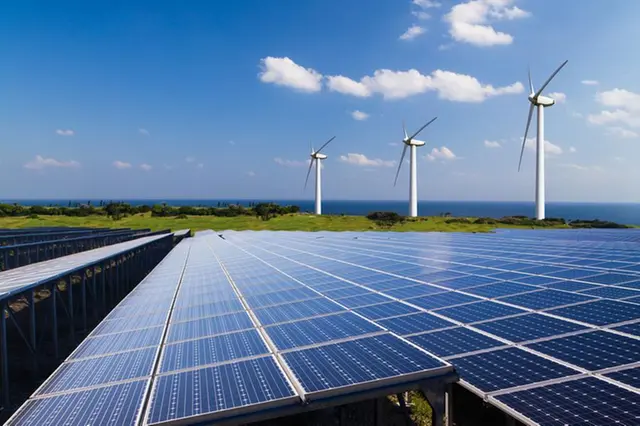
United Solar’s Oman plant employs state-of-the-art technology to produce high-purity polysilicon, a critical component in solar panels. The facility is designed to meet stringent quality standards, ensuring that the solar modules manufactured from this polysilicon deliver maximum efficiency and longevity.
The plant’s production capacity is impressive. With the ability to support 40 gigawatts of solar modules, it can provide a reliable supply for global projects ranging from residential installations to large-scale solar farms. This significant output helps reduce the cost of solar energy and makes it more accessible to communities worldwide.
Environmental and Economic Impact
The establishment of this plant goes beyond industrial advancement; it has profound environmental and economic implications. By enabling the production of 40 gigawatts of solar modules, the facility contributes to a significant reduction in carbon emissions, helping countries move closer to their climate goals.
Economically, the plant stimulates local job creation and fosters skill development in high-tech manufacturing. United Solar’s presence in Oman encourages partnerships with local suppliers, creating a ripple effect that strengthens the country’s clean energy ecosystem. This combination of environmental responsibility and economic benefit exemplifies how renewable energy projects can be mutually advantageous.
Global Implications for Solar Energy
United Solar’s Oman facility is poised to influence the global solar industry significantly. With polysilicon production now more geographically diversified, solar module manufacturers can reduce reliance on traditional markets, improving supply chain resilience.
This development comes at a crucial time as solar energy adoption accelerates worldwide. Governments, corporations, and communities are increasingly investing in renewable energy solutions, making the need for reliable and scalable polysilicon production more urgent. United Solar’s plant addresses this demand, positioning the company as a critical enabler of the global clean energy transition.
Future Prospects and Expansion Plans

United Solar’s Oman plant is just the beginning of its ambitious expansion strategy. The company has plans to scale up operations further and explore additional opportunities in solar energy technology. By leveraging innovation and sustainable practices, United Solar aims to maintain its competitive edge while contributing to a greener planet.
The success of the Oman facility also serves as a model for future projects in other regions. Its combination of advanced technology, strategic location, and commitment to sustainability demonstrates how renewable energy infrastructure can thrive in diverse environments.
Conclusion
The launch of United Solar’s polysilicon production plant in Oman represents a transformative moment for the solar energy industry. By supporting 40 gigawatts of solar modules, the facility contributes to global efforts to reduce carbon emissions, enhance energy security, and make solar power more accessible.
This achievement reflects not only United Solar’s innovation and foresight but also Oman’s growing role as a hub for renewable energy. As the world continues its transition to clean energy, projects like this exemplify the power of collaboration, technology, and sustainability to create a brighter and greener future for all.
Do Follow Gulf Magazine on Instagram
Read More:- Iran and Oman Forge Powerful Diplomatic Path Amid Nuclear Talks 2026

