

In recent years, urgent mental health crisis tied to lifestyle pressure in Gulf youth has become an increasingly serious concern. As the Gulf region advances rapidly in development, technology, and urban living, the younger population is facing rising emotional, psychological, and societal pressure. While progress brings prosperity, it also creates invisible burdens that youth are often unprepared to handle.
This growing crisis is now drawing attention from health professionals, educators, and policy-makers alike, signaling the need for immediate action.
Rising Mental Health Issues Among Gulf Youth
Studies across countries like Saudi Arabia, the UAE, Qatar, and Bahrain reveal a dramatic increase in reported cases of anxiety, depression, self-harm, and burnout among teenagers and young adults. Surveys conducted by regional health ministries show that nearly 35% of youth in the Gulf report experiencing prolonged stress or emotional struggles.
The issue is not just psychological but deeply rooted in daily lifestyle challenges. High academic expectations, peer comparison on social media, lack of work-life balance, and limited access to mental health support have contributed significantly to the urgent mental health crisis tied to lifestyle pressure in Gulf youth.
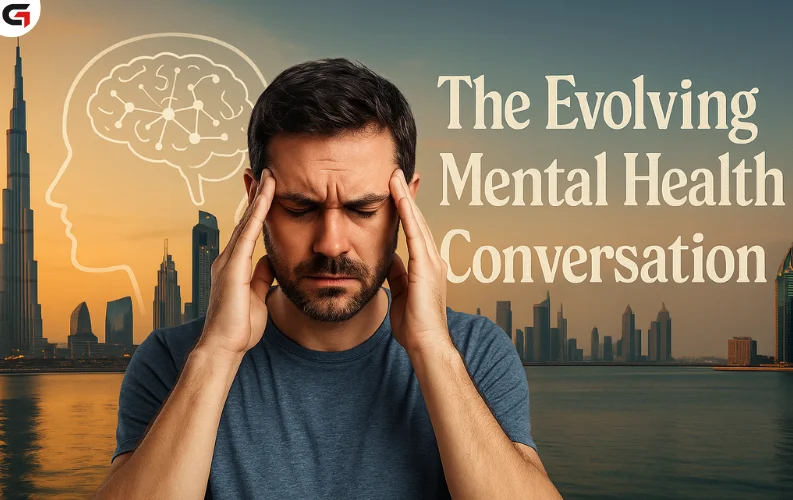
Lifestyle Pressure: The Silent Aggressor
In a region where success and public image hold substantial cultural weight, many young people feel compelled to overachieve. From early schooling, Gulf youth are expected to perform academically, maintain social standards, and prepare for competitive careers all while adhering to traditional family values.
This constant pressure to excel and meet societal expectations often leaves them with little personal time or emotional freedom. As a result, lifestyle becomes more about performance than fulfillment, leading to increased emotional exhaustion.
Social Media and Unrealistic Standards
One of the most critical drivers of this mental health crisis is the rise of social media. Platforms like Instagram, TikTok, and Snapchat have created unrealistic standards of beauty, wealth, and success. Young people in the Gulf often feel trapped in a digital loop of comparison, envy, and self-doubt.
Online validation has replaced genuine self-esteem for many, further deepening emotional instability. The need to keep up with influencers or peers online adds another layer of pressure that contributes to feelings of inadequacy and loneliness.
Lack of Open Conversations on Mental Health
Mental health remains a sensitive or even taboo subject in many parts of the Gulf. Cultural norms often discourage open discussion of emotional issues, especially among youth who fear judgment or dismissal by family and elders.
Many parents and educators still lack awareness or training in identifying mental health symptoms. Youth are either told to ignore their feelings or are not taken seriously, which only worsens the internal struggles.
Limited Access to Youth-Friendly Mental Health Services
Despite advancements in healthcare infrastructure, mental health services tailored to youth remain scarce in the Gulf. Many students and young professionals either don’t know where to seek help or cannot afford private psychological care.
Government-run clinics are often overwhelmed, under-resourced, or not youth-oriented. The absence of safe, confidential, and accessible support systems plays a key role in deepening the urgent mental health crisis tied to lifestyle pressure in Gulf youth.

Academic Pressure and Career Uncertainty
High academic standards, entrance exams, and competitive university admissions also play into the lifestyle stress of Gulf youth. With increasing unemployment and evolving job markets, there is growing fear of failure and insecurity about the future.
Many youth feel lost in the rat race, with few options to explore creative or alternative career paths. The rigid educational structure and pressure to choose “stable” professions like medicine or engineering create further mental strain.
Steps Being Taken But More Is Needed
There have been efforts by governments and NGOs to tackle mental health challenges in the region. Initiatives like mental health awareness campaigns in schools, mobile counseling apps, and helplines have started emerging.
However, the pace is still slow. Experts suggest that unless lifestyle pressures are acknowledged and mental health becomes a part of mainstream education and community conversations, the urgent mental health crisis tied to lifestyle pressure in Gulf youth will continue to grow.
What Can Be Done?
To reduce this crisis, a multi-level approach is needed:
- Introduce mental health education in schools. Starting from middle school, students should be taught emotional coping skills, stress management, and the importance of seeking help.
- Train parents and teachers. Empower adults around youth with the right tools to recognize early signs of distress.
- Regulate social media influence. Promote digital literacy and mental wellness through national policies and campaigns.
- Invest in youth-friendly mental health centers. Make access to therapy and emotional support affordable and stigma-free.
- Encourage open dialogue. Normalize discussions around feelings, vulnerability, and self-care in homes, schools, and public platforms.
Conclusion
The urgent mental health crisis tied to lifestyle pressure in Gulf youth is no longer a hidden problem. It’s a rising emergency that reflects the emotional cost of modern living in the Gulf region. If unaddressed, it threatens to affect the productivity, happiness, and long-term health of an entire generation.
The solution lies not only in therapy but in a complete shift in how society values mental well-being. From schools and homes to online platforms and public policy, every aspect of youth life must be reshaped to prioritize mental health over performance, well-being over pressure, and support over silence.
Do follow Gulf Magazine on Instagram
Also Read – Luxury Living Now Dominates 70% of New Housing in Gulf Lifestyle Zones

