


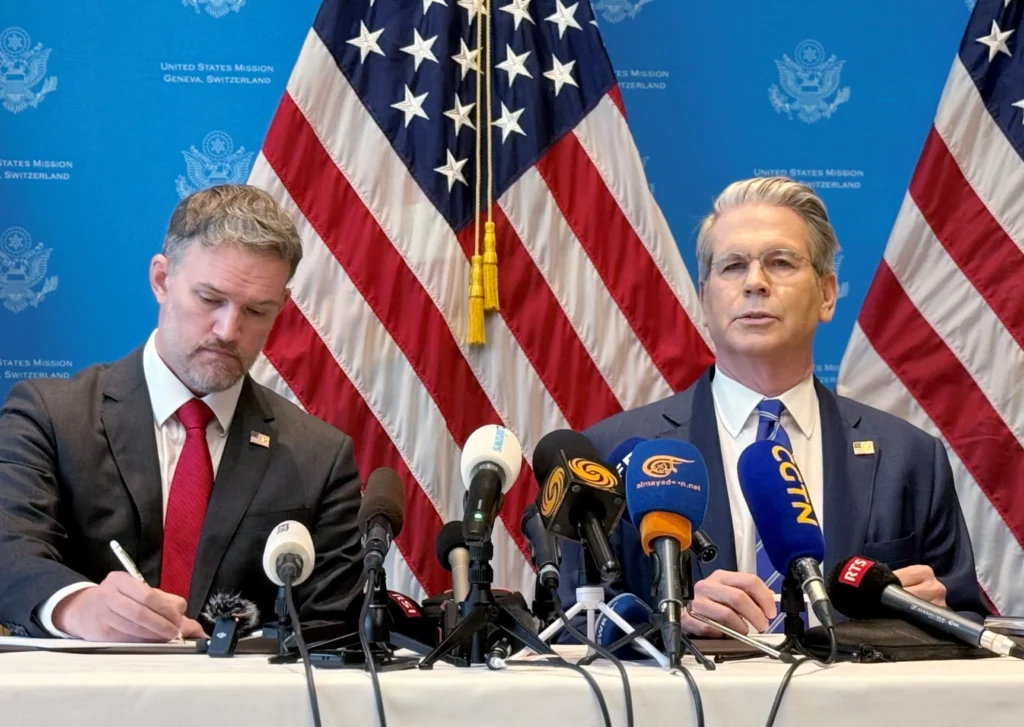
China Trade Pact a major breakthrough poised to reset the course of international trade, the United States and China have finalized a landmark trade agreement after years of economic friction. This new pact, hailed as a potential turning point in global commerce, signals a return to cooperation between two of the world’s most powerful economies—an outcome that markets, multinational businesses, and investors worldwide had been anxiously awaiting.
This agreement not only cools tensions that had been escalating since the onset of the trade war but also lays a structured foundation for future collaboration, paving the way for greater economic stability in a volatile world.
Years of Trade Turbulence
The trade war between the US and China, which began in 2018, sent shockwaves through the global economy. With tariffs imposed on hundreds of billions of dollars’ worth of goods, businesses on both sides of the Pacific found themselves caught in a vortex of unpredictability. From tech firms to farmers, few sectors were left untouched by the consequences of tariff hikes and policy uncertainty.
For years, companies struggled with supply chain disruptions, rising costs, and shifting investment strategies. Consumer prices climbed, investor sentiment waned, and economic forecasts dimmed. The trade standoff not only altered how corporations operated globally, but it also strained diplomatic ties between the two superpowers.
After multiple rounds of negotiation—some breaking down and restarting—this new agreement represents not just a resolution to the impasse, but a commitment to rebuild trust and reestablish rules that will benefit both nations.
Core Elements of the Agreement
Though the final document is expansive, several major pillars define the spirit and structure of the deal:
- Tariff Relief for Business and Consumers
One of the most anticipated components of the pact is the phased rollback of tariffs. Both sides have agreed to reduce duties on a wide range of goods, giving much-needed relief to importers and exporters. For American businesses reliant on Chinese components and raw materials, this means lower input costs and improved competitiveness. - Stronger Intellectual Property Enforcement
Long a sticking point in US-China trade talks, the protection of intellectual property saw new commitments in this deal. China has pledged to bolster enforcement against IP theft, piracy, and forced technology transfers. This move is especially crucial for US tech and pharmaceutical companies, who have long demanded safeguards for their innovations. - Opening Up Markets
In a positive gesture toward market liberalization, the deal includes provisions aimed at widening market access for foreign companies. This includes the easing of investment restrictions in certain sectors, providing American firms with more opportunities to compete in the Chinese market on equal footing. - Currency Stabilization
Both countries have committed to refraining from competitive currency devaluation and ensuring greater transparency. This will help prevent one-sided advantages in international trade and bring more predictability to the foreign exchange market. - Regular Monitoring and Dialogue
To ensure the deal’s success, the agreement establishes a framework for ongoing dialogue and dispute resolution. A dedicated oversight mechanism will allow for regular reviews and a platform to address future disagreements without resorting to hostile measures.
Boost to Global Confidence
The global response to the agreement has been overwhelmingly positive. Major stock markets responded with immediate gains, reflecting increased investor confidence. The business community, especially those operating across borders, views the pact as a step towards a more predictable trade environment.
Global supply chains, which had been reconfigured or stalled due to the uncertainty of tariffs, may now regain momentum. Companies that had shifted production or diversified sourcing are reevaluating strategies in light of more stable trade conditions.
Additionally, consumer confidence is expected to benefit as the reduced costs of imports could lead to more favorable pricing, particularly in technology, manufacturing, and agriculture-related products.
Opportunities for Innovation and Growth
This pact may also act as a catalyst for innovation and cross-border collaboration in technology, energy, and green initiatives. With greater protections and market access, firms on both sides will likely be more inclined to invest in joint ventures, research, and product development.
Startups and mid-sized companies, often the most vulnerable in a volatile trade landscape, may find renewed optimism. The ability to scale globally without excessive regulatory or tariff barriers could accelerate their growth and drive job creation.
Moreover, by reinforcing legal structures and compliance expectations, the agreement helps level the playing field for businesses of all sizes—not just multinational corporations.
Challenges Remain
Despite the optimism, it’s important to note that not all issues have been resolved. Structural concerns, such as state subsidies and industrial policies, remain complex and were only partially addressed in this initial agreement. The success of this pact will depend heavily on how well both parties adhere to the terms and the effectiveness of enforcement mechanisms.
Observers are also cautious about the geopolitical undertones. With broader strategic competition still present in areas like technology, defense, and influence in Asia, this deal represents a trade-focused truce, not a comprehensive reconciliation.
A New Chapter in US-China Relations
This trade agreement may serve as a foundation for a more balanced and resilient bilateral relationship. It highlights the potential for dialogue and negotiation even amid rising global tensions. While trade disagreements are inevitable, the structured path created through this deal offers a constructive model for resolving them.
For the global economy, which has been recovering from multiple shocks—from the pandemic to regional conflicts and inflation—this is a much-needed dose of certainty and forward motion.
As the world watches the implementation closely, the hope is that this positive momentum continues and expands into other areas of economic cooperation. If both sides can maintain the spirit of this agreement, it could signal not just a pause in hostilities, but a pivot toward sustainable growth and global partnership.

