

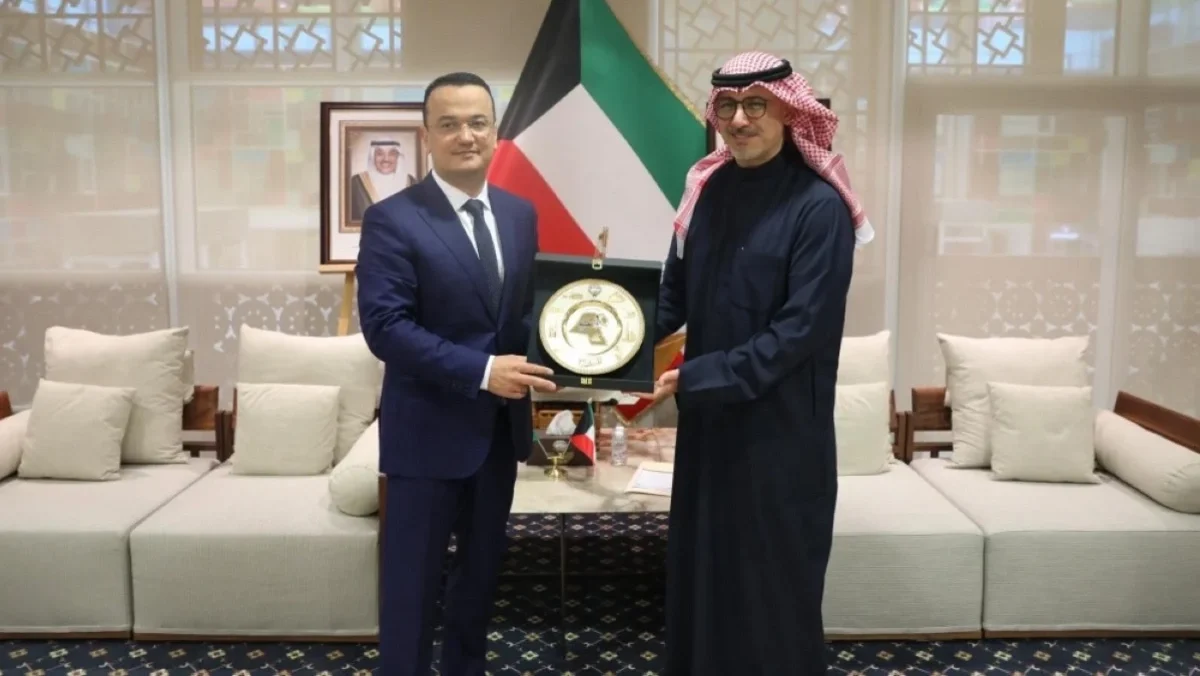
In a remarkable step towards enhancing international relations, Uzbekistan’s Minister of Investment and Trade recently emphasized the significance of strengthening trade and investment ties with Kuwait. This initiative is set to transform the bilateral economic landscape, opening doors to new opportunities, partnerships, and mutual growth. Both nations have long maintained a cordial relationship, but the current focus reflects a shared vision to deepen cooperation across multiple sectors.
Uzbekistan, located at the heart of Central Asia, has been undergoing rapid economic reforms aimed at attracting foreign investment and boosting international trade. Meanwhile, Kuwait, known for its robust financial infrastructure and strategic location in the Gulf, offers a valuable gateway for regional commerce. By leveraging each other’s strengths, both countries are poised to unlock unprecedented economic potential.
The discussions led by Uzbekistan’s Minister underline a commitment to fostering a sustainable partnership, focusing not only on trade volumes but also on long-term investments, technological collaborations, and knowledge exchange.
Economic Potential Between the Two Nations
Uzbekistan has been positioning itself as an investment-friendly destination, backed by policies that support industrial growth, infrastructure development, and modernization of key sectors such as agriculture, energy, and manufacturing. Kuwait, on the other hand, possesses significant capital reserves and an eagerness to diversify its investments beyond traditional sectors like oil and gas.
The collaboration between these two nations promises a blend of opportunity and stability. Uzbek officials highlighted that by establishing a more robust trade framework, both countries can benefit from joint ventures, export-import agreements, and collaborative industrial projects. This cooperation also aligns with Kuwait’s strategy to expand its global investment portfolio while contributing to Uzbekistan’s modernization efforts.
The trade minister pointed out that sectors such as textiles, machinery, food processing, and renewable energy hold immense potential. By tapping into these areas, both nations can achieve mutually beneficial outcomes, creating jobs, enhancing productivity, and building a sustainable foundation for future economic growth.
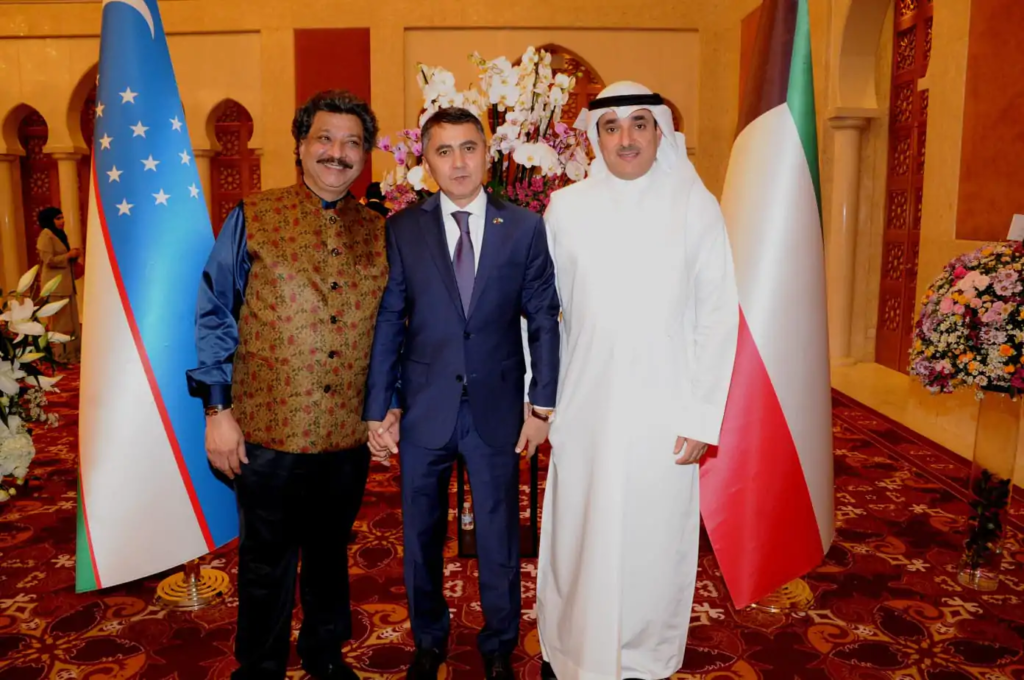
Key Investment Opportunities
Agriculture and Food Security
Uzbekistan is recognized for its agricultural potential, producing cotton, fruits, vegetables, and grains in abundance. The Minister emphasized that by combining Uzbek agricultural capabilities with Kuwaiti investment, there is significant scope for developing advanced agribusinesses, food processing units, and supply chains catering to both regional and global markets.
With Kuwait’s growing interest in food security, such collaborations could also ensure stable supply channels, modern storage facilities, and enhanced export strategies. Joint projects in agricultural technology could further boost productivity, efficiency, and sustainability.
Energy and Renewable Projects
Another critical area highlighted is energy cooperation. Uzbekistan has been investing in renewable energy projects, including solar and wind power initiatives. Kuwaiti investors, looking to diversify their energy portfolio, are well-positioned to fund such projects, bringing expertise, capital, and technology.
The Minister emphasized that renewable energy projects not only serve economic purposes but also support environmental sustainability. Joint efforts in this sector can strengthen both nations’ energy security while promoting green development initiatives in line with global sustainability goals.
Infrastructure and Construction
Uzbekistan’s rapid urbanization has fueled demand for modern infrastructure, including highways, ports, logistics hubs, and residential projects. Kuwaiti investors, experienced in large-scale construction and infrastructure development, can play a vital role in supporting Uzbekistan’s ambitious urban development plans.
By collaborating in this sector, both nations stand to gain from increased trade efficiency, better connectivity, and the creation of long-term investment returns. The Minister highlighted that such partnerships could serve as a model for regional cooperation, demonstrating how strategic investments can bring tangible economic benefits.
Technology and Innovation
Uzbekistan has placed technology and innovation at the core of its economic strategy, seeking to foster entrepreneurship, digitalization, and tech-based industries. Kuwaiti investors, particularly those looking to support startups and technology ventures, can contribute significantly to this evolving ecosystem.
By combining Uzbek talent with Kuwaiti capital and expertise, the two nations can nurture innovative solutions in fintech, e-commerce, software development, and smart city technologies. This collaboration promises not only economic benefits but also knowledge transfer and capacity building for a new generation of innovators.
Bilateral Trade Agreements and Policy Support
A cornerstone of the discussions was the importance of policy frameworks and bilateral trade agreements to facilitate smoother business interactions. The Uzbek Minister underlined that the government is committed to creating a favorable investment climate, including transparent regulations, incentives, and protection for foreign investors.
Both nations expressed interest in signing trade agreements that reduce tariffs, streamline customs procedures, and encourage joint ventures. These measures are expected to increase bilateral trade volumes, enhance market access, and ensure that investments are both profitable and sustainable.
The Minister also mentioned the role of trade missions, business forums, and networking platforms in strengthening ties. Such initiatives provide an opportunity for entrepreneurs, investors, and policymakers from both countries to explore partnerships, exchange ideas, and identify areas for collaboration.
Strengthening Cultural and Educational Links
Economic cooperation is not the only focus of the bilateral relationship. The Uzbek Minister emphasized the importance of cultural exchange and educational collaborations in fostering stronger ties.
Programs that facilitate student exchanges, vocational training, and academic partnerships can create a skilled workforce capable of supporting joint ventures. Cultural initiatives can enhance mutual understanding, trust, and goodwill, which are essential ingredients for long-lasting economic partnerships.
Kuwait has shown interest in supporting educational institutions in Uzbekistan, particularly in fields such as business management, technology, and engineering. These collaborations will not only equip Uzbek youth with global skills but also foster a generation of professionals ready to contribute to the bilateral economic agenda.
Long-Term Vision for Mutual Growth
The Uzbek Minister outlined a long-term vision for a partnership that transcends short-term gains. By focusing on strategic sectors, sustainable investment, and knowledge-based collaborations, Uzbekistan and Kuwait can create a blueprint for regional economic success.
The vision includes not just enhancing trade volumes but also promoting joint research and development projects, encouraging entrepreneurship, and developing regional supply chains that benefit both nations. By aligning economic goals with social and environmental responsibility, the partnership can serve as a model for other countries seeking mutually beneficial cooperation.
Ministerial Statements and Commitments
During the recent discussions, the Uzbek Minister made several key statements highlighting the importance of trust, transparency, and commitment in economic partnerships. He emphasized that Uzbekistan values its relationship with Kuwait and is ready to provide all necessary support to investors, including regulatory guidance, market insights, and logistical assistance.
The Minister also assured that Uzbekistan’s ongoing economic reforms are designed to make the country more competitive, transparent, and investor-friendly. These reforms include simplifying business registration processes, protecting investor rights, and providing incentives for priority sectors.
Kuwaiti counterparts expressed enthusiasm about exploring investment opportunities in Uzbekistan, particularly in sectors aligned with Kuwait’s diversification goals. Both parties agreed that strengthening economic ties requires regular engagement, collaborative planning, and the involvement of private sector leaders from both countries.
The Road Ahead
The path forward involves a combination of strategic planning, targeted investments, and continuous dialogue. Uzbekistan and Kuwait are expected to organize trade delegations, business forums, and joint investment committees to monitor progress, identify challenges, and ensure that partnerships deliver tangible outcomes.
There is also a strong emphasis on sustainability, inclusivity, and technology-driven growth. By adopting these principles, both countries aim to create an economic partnership that is resilient, innovative, and capable of withstanding global economic fluctuations.
Experts predict that with sustained efforts, bilateral trade between Uzbekistan and Kuwait could see significant growth over the next decade. Increased investment in key sectors, coupled with government support, is likely to create a ripple effect, benefiting small and medium enterprises, local communities, and regional economies.
Conclusion: A New Chapter in Uzbekistan-Kuwait Relations
The recent discussions led by Uzbekistan’s Minister of Investment and Trade mark a pivotal moment in the bilateral relationship with Kuwait. By emphasizing trade expansion, investment cooperation, and knowledge exchange, both nations are setting the stage for a prosperous and sustainable partnership.
As Uzbekistan continues its journey of economic reform and modernization, and Kuwait seeks to diversify its investment portfolio, the synergy between the two nations holds immense promise. The focus on strategic sectors, policy support, and cultural collaboration ensures that this partnership is not just transactional but transformative.
The future of Uzbekistan-Kuwait relations looks bright, filled with opportunities for growth, innovation, and shared success. This human-centered approach to economic diplomacy highlights that beyond numbers and agreements, it is the collaboration, trust, and shared vision that truly drive progress.
With continued dialogue, targeted investments, and mutual commitment, the bond between Uzbekistan and Kuwait is poised to become a model of effective, forward-looking international cooperation.
Do follow Gulf Magazine on Instagram.
Also Read – Indian Ambassador Inaugurates Indian Book Corner at Canadian College of Kuwait

