

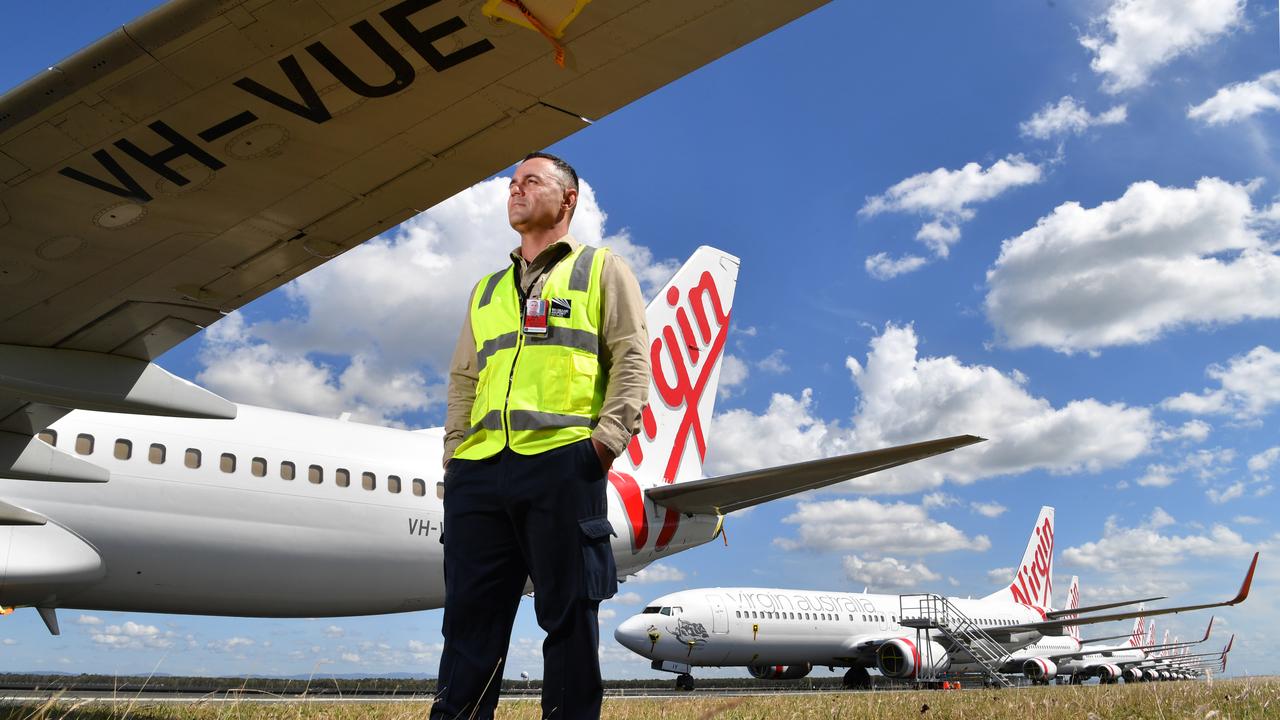
Virgin Australia is making big moves ahead of its much-anticipated return to the Australian Securities Exchange (ASX), announcing a significant shake-up of its board. The airline has brought in two high-profile names — a top executive from Qatar Airways and the former chairman of Macquarie Group — in a bid to bolster its leadership team and send a clear message to the market: Virgin is back, and it means business.
This board overhaul is part of Virgin Australia’s broader strategy to prepare for a public listing, restore market confidence, and chart a stronger path forward in the increasingly competitive aviation industry.
A New Board for a New Era
Virgin Australia announced the appointment of Peter Warne, the former chairman of Macquarie Group, and Mark Drusch, a senior executive at Qatar Airways, as non-executive directors. Their appointments are seen as a strategic move to boost the airline’s financial oversight, governance, and global connectivity.
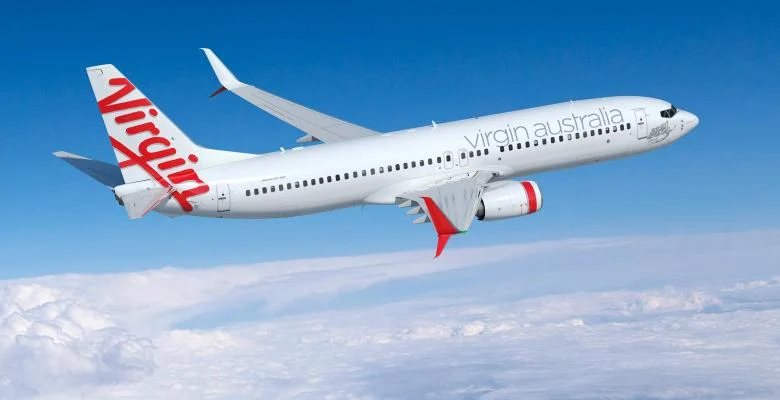
Peter Warne brings decades of experience in investment banking, finance, and corporate governance. He served as chairman of Macquarie Group — one of Australia’s most prominent financial institutions — and is widely respected for his strategic insight and calm leadership style. His presence on Virgin’s board is expected to provide confidence to potential investors, particularly as the airline moves closer to relisting on the ASX.
Mark Drusch, meanwhile, brings a wealth of experience from the aviation industry. As a key executive at Qatar Airways, he has deep expertise in airline strategy, route development, partnerships, and customer experience. Drusch’s international experience — especially in building one of the world’s top airlines — will be invaluable as Virgin Australia aims to compete more aggressively both at home and overseas.
The two new directors join Charles Lawson, a partner at Virgin Australia’s majority owner Bain Capital, who was also appointed to the board. Lawson has been closely involved in Virgin’s operations since Bain acquired the airline out of voluntary administration in 2020.
Setting the Stage for a Public Return
These board changes are widely seen as part of Virgin’s preparation for a long-awaited return to public markets. The airline was previously listed on the ASX before collapsing under the weight of debt and pandemic-related travel restrictions in 2020. Bain Capital swooped in during the crisis to acquire the business for $3.5 billion, taking it private and initiating a major turnaround plan.
Virgin’s relisting on the ASX was originally expected in 2023, but the timeline was pushed back amid concerns about volatile market conditions and the need for stronger performance metrics. Now, with a revitalized board and several positive developments behind it, Virgin is once again looking to re-enter the public market — possibly later this year or early in 2026.
Industry insiders say that having respected figures like Warne and Drusch on the board could boost confidence among institutional investors and retail shareholders alike. Their appointments suggest Bain Capital is serious about good governance and long-term stability, not just a quick exit strategy.
The Qatar Airways Connection
One of the most interesting aspects of the board overhaul is the deeper involvement of Qatar Airways, one of the world’s top-rated international carriers. The Qatari airline has recently received approval from the Australian government to acquire a 25% stake in Virgin Australia — a significant vote of confidence in Virgin’s strategy and potential.
Qatar Airways and Virgin Australia already have a strong codeshare partnership, allowing passengers to book flights seamlessly across both networks. The investment and the appointment of Mark Drusch to the board deepen this relationship and open the door to even more collaboration.
For Virgin, this partnership offers a clear edge in the international market, where Qantas has long held a dominant position. With Qatar Airways’ backing, Virgin can tap into new international routes, premium customer offerings, and deeper global reach — all without having to spend billions on long-haul aircraft of its own.
It also gives Qatar Airways a stronger foothold in the Australian domestic market, which is currently seeing increased competition not just from Qantas and Virgin, but also from budget carriers like Jetstar and Rex.
Leadership Shifts Continue
The board changes come just weeks after another major leadership update at Virgin: the appointment of Dave Emerson as Chief Executive Officer. Emerson, who previously served as Chief Commercial Officer at the airline, stepped into the top job following the resignation of former CEO Jayne Hrdlicka.
Hrdlicka led Virgin through its post-administration recovery but faced mounting pressure over several operational issues, customer service complaints, and delays in the relisting process. Her departure was seen by many as a necessary reset.
Dave Emerson is a seasoned aviation executive with more than 25 years of experience. He has held senior positions at both Qantas and Jetstar and is known for his deep knowledge of airline operations and strategy. His appointment is intended to bring more stability and operational focus to the airline at a critical time.
Together, the leadership of Emerson, the expertise of Drusch and Warne, and the backing of Bain and Qatar Airways form a powerful team as Virgin prepares for its next chapter.
Focus on Growth and Stability
Virgin Australia’s recent moves suggest a company that is no longer in survival mode, but rather, one that is actively planning for long-term growth.
The airline has reported steady improvements in passenger numbers, financial performance, and customer satisfaction since emerging from administration. It has introduced new aircraft to its fleet, expanded its loyalty program Velocity Frequent Flyer, and optimized its route network to improve efficiency.
Its strategy focuses on the “value” segment of the market — positioned between low-cost carriers like Jetstar and full-service rivals like Qantas. Virgin aims to deliver a premium experience at competitive prices, especially for frequent domestic travelers and small business clients.
The airline is also investing in digital transformation, sustainability efforts, and better customer experience — all factors that will play a role in its public market appeal.
What’s Next for Virgin?
While the exact timing of Virgin Australia’s IPO has not yet been announced, industry observers say that the airline is likely to go public once market conditions are stable and its new board has had time to bed in. That could happen as soon as late 2025 or early 2026, depending on how Virgin’s performance tracks over the coming quarters.
For now, all eyes are on how the refreshed board and leadership team steer the company forward. With heavyweight names from global aviation and high finance now sitting at the top table, Virgin Australia appears to be signaling to the market — and to its competitors — that it’s aiming higher than ever before.
How to Check Your Qatar Visa Online Using Just Your Passport Number

