


Virtual reality in Gulf universities is rapidly becoming more than just a futuristic concept. Across countries like the UAE, Saudi Arabia, Qatar, and Oman, educational institutions are adopting VR and metaverse technologies to enhance teaching, learning, and research. These innovative tools are changing the way students interact with learning materials, opening new horizons for immersive education, and preparing graduates for a tech-driven world.
How Virtual Reality is Shaping Gulf Education
In traditional classrooms, learning is often limited to textbooks, slides, and lectures. However, virtual reality introduces a fully immersive experience, allowing students to visualize complex subjects in 3D and interact with content like never before. From exploring ancient civilizations to simulating scientific experiments, VR in Gulf universities is helping students grasp concepts that were once abstract and difficult to understand.
Enhancing STEM Learning Through VR
Science, technology, engineering, and mathematics (STEM) subjects benefit significantly from VR applications. For example:
- Medical Training: Students can practice surgical procedures in a risk-free virtual environment, gaining hands-on experience before stepping into real operating rooms.
- Engineering Simulations: Complex machinery and engineering concepts can be visualized and manipulated in 3D, providing a practical understanding of theories.
- Physics and Chemistry Labs: Dangerous chemical reactions or physics experiments can be safely conducted in virtual labs, enhancing both safety and comprehension.
Gulf universities, such as the Khalifa University in Abu Dhabi and King Abdullah University of Science and Technology in Saudi Arabia, are leading the charge by integrating VR simulations into their STEM curriculum.
The Rise of the Metaverse in Learning
Alongside VR, the metaverse is gaining traction as a virtual ecosystem where students and teachers interact in real-time, regardless of physical location. In these digital campuses, students can attend lectures, collaborate on projects, and participate in virtual workshops. This not only bridges geographical gaps but also introduces a collaborative and interactive dimension to education.
Key benefits of the metaverse in Gulf universities include:
- Global Collaboration: Students can team up with peers from other countries, fostering multicultural learning experiences.
- Interactive Learning Spaces: Classrooms become 3D environments where students can move, engage, and learn actively.
- Customized Learning Journeys: AI-driven avatars and virtual assistants can guide students according to their unique learning pace and style.
Universities in Qatar and the UAE are experimenting with metaverse platforms to offer degree programs that combine traditional learning with immersive virtual experiences.
Challenges in Implementing VR and Metaverse Technologies
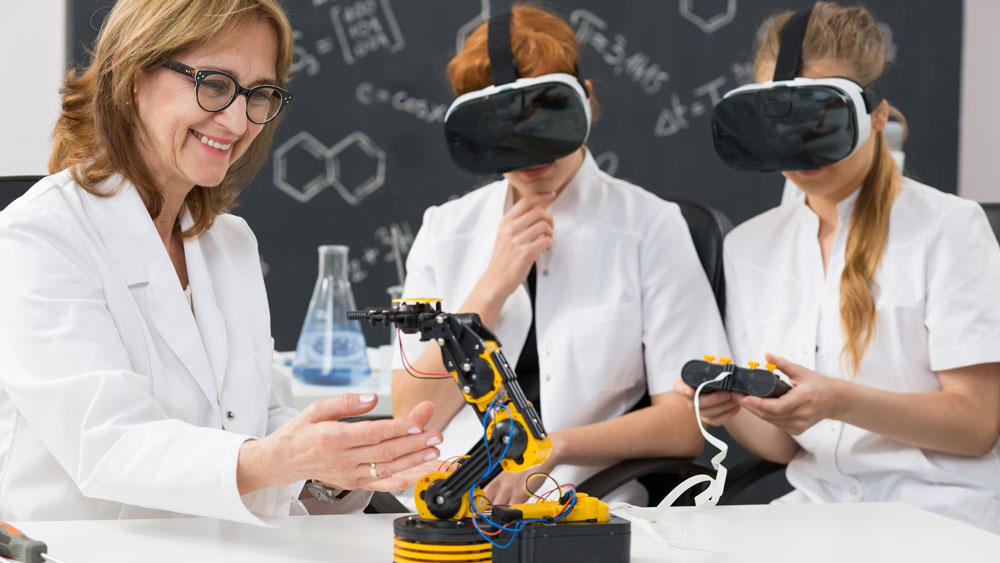
While the potential of VR in Gulf universities is immense, there are challenges to overcome:
- High Costs: VR equipment, software licenses, and infrastructure investment can be expensive, especially for smaller institutions.
- Training Educators: Teachers need specialized training to effectively use VR and metaverse tools in their classrooms.
- Technical Limitations: High-speed internet and powerful hardware are essential to run VR applications smoothly. Some regions still face connectivity issues.
- Curriculum Integration: Universities must redesign curricula to integrate VR meaningfully, ensuring it complements traditional learning rather than replacing it entirely.
Despite these challenges, the benefits far outweigh the drawbacks, and Gulf universities are actively investing in overcoming these barriers.
Government Support and Strategic Initiatives
Several Gulf countries are actively supporting the adoption of VR and metaverse technologies in higher education. Initiatives include:
- Saudi Arabia: The Ministry of Education has launched programs to integrate VR into STEM and medical education.
- UAE: The UAE Ministry of Education collaborates with technology companies to create smart campuses using VR and AR tools.
- Qatar: Universities in Qatar are developing metaverse-enabled classrooms to enhance student engagement and international collaboration.
These government-backed initiatives are crucial in ensuring that students have access to advanced educational technologies, preparing them for future careers in AI, robotics, and digital innovation.
Success Stories from Gulf Universities
Several universities in the Gulf have already achieved remarkable results by incorporating VR and metaverse technologies.
- Khalifa University, UAE: Implemented VR labs for engineering students, reducing the need for physical lab equipment and improving safety.
- King Fahd University of Petroleum & Minerals, Saudi Arabia: Introduced VR-based oil and gas simulations, allowing students to work in virtual rigs and facilities.
- Qatar University: Piloted metaverse-based courses that connect students with international instructors for interactive lectures and workshops.
These examples show how VR and the metaverse are not just trendy tools but practical solutions that enhance learning outcomes and prepare students for a digital-first world.
VR Beyond the Classroom
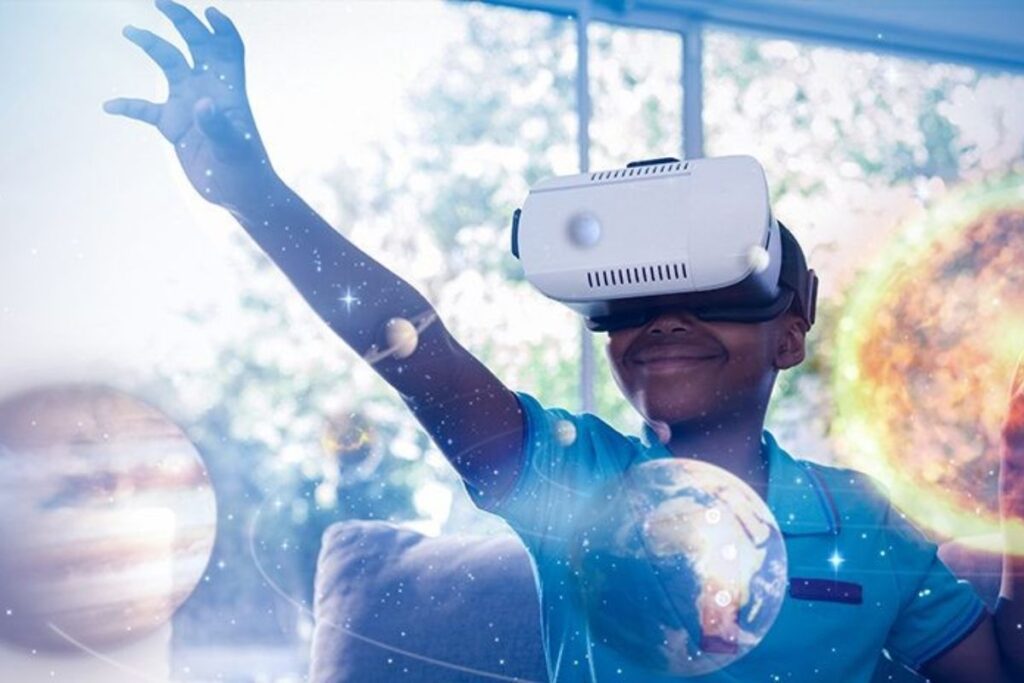
Virtual reality in Gulf universities is not limited to academic learning. It also contributes to:
- Career Development: VR career simulations and internships allow students to experience real-world job scenarios.
- Mental Health Support: VR meditation and stress-relief programs help students cope with academic pressure.
- Cultural Exchange: Virtual tours of museums, historical sites, and cultural events foster a deeper understanding of global heritage.
By embracing VR, universities create holistic learning experiences that go beyond textbooks and exams.
Future Outlook for VR and Metaverse in Gulf Universities
The adoption of VR and the metaverse in Gulf universities is still in its early stages, but trends indicate rapid growth. Experts predict that within the next five years, most major universities in the Gulf will integrate VR into core curricula. The next wave of innovation could include:
- AI-Powered VR Tutors: Personalized guidance and tutoring within VR classrooms.
- Virtual Research Collaboration: Researchers across the globe collaborating in a shared VR environment.
- Immersive Student Communities: Fully virtual campuses where students can socialize, learn, and collaborate without physical constraints.
As technology continues to evolve, Gulf universities are likely to emerge as pioneers in the global VR-based education landscape.
Conclusion
Virtual reality in Gulf universities is transforming the way students learn, interact, and prepare for the future. By combining immersive VR experiences with metaverse collaboration, students gain practical skills, enhance creativity, and develop global perspectives. While challenges such as cost and training exist, government support, institutional investment, and technological advancement are driving adoption forward. The Gulf region is setting a new standard in higher education, blending traditional academic excellence with futuristic digital tools.
Students in the UAE, Saudi Arabia, Qatar, and Oman now have opportunities to experience learning like never before—through virtual reality and the metaverse. The future of education in the Gulf is immersive, interactive, and exciting.
Also read: Kuwait Airport Achieves Top ICAO Security Rating Amid Global Standards

