


Oman is redefining how healthcare systems evolve by placing people at the heart of planning and decision-making. Under Vision 2040, the Sultanate is moving beyond traditional top-down healthcare models to embrace participatory health planning, a forward-looking approach that actively involves communities, professionals, and institutions in shaping a healthier future. This shift reflects a broader national ambition to build resilient systems that respond to real needs, anticipate future challenges, and empower citizens as partners in progress.
At its core, participatory health planning in Oman is about listening. It recognizes that sustainable healthcare reform cannot be achieved without understanding the lived experiences of patients, families, frontline workers, and local communities. By aligning these voices with national priorities, Oman is creating a health ecosystem that is inclusive, adaptive, and deeply human.
Vision 2040 and the Future of Healthcare in Oman
Oman Vision 2040 serves as the country’s long-term roadmap for economic diversification, social development, and institutional excellence. Healthcare is a central pillar of this vision, reflecting its role in enhancing quality of life and supporting national productivity.
Rather than focusing solely on infrastructure and service expansion, Vision 2040 emphasizes governance, efficiency, innovation, and community engagement. The aim is to build a healthcare system that not only treats illness but actively promotes wellness, prevention, and shared responsibility for health outcomes.
A Shift From Service Delivery to Shared Responsibility
The transformation underway marks a significant shift in mindset. Healthcare is no longer seen as a service delivered exclusively by the state, but as a shared responsibility involving individuals, families, communities, private sector partners, and civil society. This approach strengthens trust, improves outcomes, and ensures that policies reflect real-world needs.
Participatory planning allows decision-makers to ground national strategies in local realities, making healthcare more responsive and equitable across urban and rural areas.
Understanding Participatory Health Planning
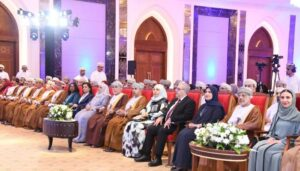
Participatory health planning is a collaborative process where stakeholders contribute to identifying health priorities, designing interventions, and evaluating outcomes. In Oman, this includes citizens, healthcare professionals, academic institutions, local authorities, and private sector players.
This model recognizes that communities possess valuable knowledge about their own health challenges and strengths. By integrating this insight into policy and planning, Oman is creating solutions that are practical, culturally sensitive, and sustainable.
Why Participation Matters in Modern Healthcare
Healthcare systems worldwide are facing complex pressures, from aging populations to rising chronic diseases and rapid technological change. Participatory planning helps address these challenges by fostering innovation, improving accountability, and encouraging preventive care.
When people feel heard and involved, they are more likely to engage with health programs, adopt healthier behaviors, and support long-term reforms. For Oman, this translates into better health outcomes and more efficient use of resources.
Community Engagement as a Strategic Priority
Community engagement is emerging as a cornerstone of Oman’s healthcare strategy. Through consultations, workshops, surveys, and digital platforms, authorities are gathering feedback directly from citizens and healthcare workers.
These interactions help identify gaps in service delivery, highlight regional health needs, and uncover opportunities for improvement. More importantly, they create a sense of ownership among participants, reinforcing the idea that health planning is a collective effort.
Strengthening Trust Between Institutions and Citizens
Trust is a vital ingredient in effective healthcare systems. By involving communities in planning, Oman is strengthening transparency and confidence in public institutions. Citizens gain a clearer understanding of policy decisions, while policymakers benefit from grounded perspectives that enhance credibility and effectiveness.
This two-way dialogue supports long-term reform by aligning expectations and fostering mutual accountability.
Empowering Healthcare Professionals in Policy Design
Doctors, nurses, and allied health professionals are at the frontline of healthcare delivery, making their input essential to successful planning. Under Vision 2040, Oman is creating structured avenues for healthcare workers to contribute to policy discussions and system design.
Their practical insights help refine workflows, improve patient safety, and identify training needs. By valuing professional expertise, Oman ensures that reforms are realistic and aligned with operational realities.
Building a Culture of Continuous Improvement
Involving professionals in planning also nurtures a culture of continuous improvement. When healthcare workers feel empowered to share ideas and feedback, innovation flourishes. This culture supports adaptability, allowing the system to evolve in response to emerging health trends and challenges.
Data, Technology, and Inclusive Decision-Making
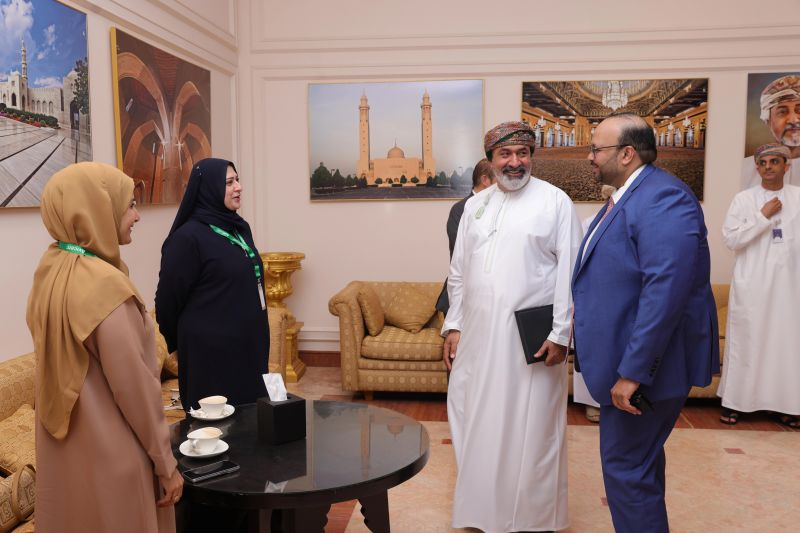
Technology plays a vital role in enabling participatory health planning. Digital health records, data analytics, and online engagement platforms allow for more informed and inclusive decision-making.
By leveraging data, policymakers can identify population health trends, monitor outcomes, and evaluate the impact of interventions. Digital tools also make it easier for citizens to participate, regardless of location, ensuring broader representation in planning processes.
Bridging Gaps Through Digital Inclusion
Oman’s focus on digital inclusion ensures that participatory planning does not exclude vulnerable or remote communities. By combining technology with on-the-ground engagement, the country is creating a balanced approach that values both data and human connection.
Preventive Care and Public Health Awareness
Participatory planning aligns closely with Oman’s emphasis on preventive care. Engaging communities helps raise awareness about healthy lifestyles, early detection, and disease prevention.
When people are involved in shaping health initiatives, they are more likely to understand and support preventive measures. This proactive approach reduces long-term healthcare costs and improves overall population well-being.
Encouraging Health Literacy Across Generations
Health literacy is a key outcome of participatory planning. Through education campaigns and community involvement, Oman is empowering citizens with knowledge that enables informed choices. This focus supports healthier behaviors across generations, contributing to sustainable national development.
Partnerships That Strengthen the Health Ecosystem
Vision 2040 encourages collaboration between public institutions, private sector entities, academia, and civil society. These partnerships bring diverse expertise, resources, and perspectives into the planning process.
Private sector involvement supports innovation and efficiency, while academic institutions contribute research and evidence-based insights. Civil society organizations help amplify community voices, ensuring inclusivity and social equity.
Creating a Unified Approach to Health Development
By aligning stakeholders around shared goals, Oman is creating a unified health ecosystem. This collaborative framework reduces duplication, enhances coordination, and maximizes the impact of investments in healthcare.
Measuring Impact and Ensuring Accountability
Participatory planning is not complete without mechanisms to measure progress and ensure accountability. Oman is placing greater emphasis on performance indicators, outcome measurement, and transparent reporting.
Regular feedback loops allow policymakers to assess what is working and adjust strategies accordingly. This iterative approach ensures that health planning remains dynamic and responsive to change.
Learning From Experience to Shape the Future
Continuous evaluation allows Oman to learn from experience and refine its approach. By treating health planning as an evolving process, the country is better equipped to meet future challenges and opportunities.
A Human-Centered Vision for Health
What sets Oman’s approach apart is its human-centered philosophy. Vision 2040 recognizes that healthcare is not just about systems and structures, but about people, relationships, and shared aspirations.
By embracing participatory health planning, Oman is fostering a culture where citizens feel valued, professionals feel empowered, and institutions remain accountable. This balance between policy and people is laying the foundation for a healthier, more resilient nation.
Looking Ahead Under Vision 2040
As Oman continues its journey toward Vision 2040, participatory health planning will remain a critical driver of progress. The lessons learned today will shape tomorrow’s healthcare landscape, ensuring it is inclusive, efficient, and responsive.
Through collaboration, innovation, and genuine engagement, Oman is setting a powerful example of how nations can transform healthcare by listening first and planning together. This people-powered approach is not only advancing health outcomes but also strengthening social cohesion and national confidence in the future.
Do Follow Gulf Magazine on Instagram
Read More:- Gulf Leaders Shape a Bold New Regional Order 2025

