


Iraq’s energy sector faced a tough, uncomfortable moment as a pipeline leak forced a major outage at the West Qurna-2 oil field, one of the country’s most critical production assets. The shutdown was not just about barrels temporarily lost, but about confidence tested, systems under pressure, and lessons that arrived sooner than expected. Much like a football match lost to unforced errors, the incident exposed weaknesses that had been building quietly, waiting for the wrong moment to show themselves.
Yet, as with any setback that stings, the response matters just as much as the mistake. What followed was a rapid mobilization, intense scrutiny of infrastructure, and a renewed conversation across Iraq’s oil sector about vigilance, modernization, and accountability.
Understanding the Importance of West Qurna-2
West Qurna-2 is not just another oil field on Iraq’s vast energy map. It is a backbone asset, driving significant portions of national output and revenue.
A Pillar of Iraq’s Energy Economy
Located in southern Iraq near Basra, West Qurna-2 contributes hundreds of thousands of barrels per day under normal operations. Its role extends beyond numbers; the field supports government income, employment, and investor confidence in Iraq’s upstream oil ambitions.
When production stumbles here, the ripple effects reach far beyond the oil patch.
Strategic Partnerships and Long-Term Stakes
Operated through international partnerships, West Qurna-2 symbolizes Iraq’s collaboration with global energy players. Any disruption, even temporary, raises questions about infrastructure resilience, operational discipline, and long-term sustainability.
This is why the outage was felt as more than a technical hiccup. It was a moment of collective pause.
What Happened: The Pipeline Leak Explained
The outage began with the detection of a pipeline leak that compromised safe operations and forced an immediate halt to production.
A Technical Failure with Big Consequences
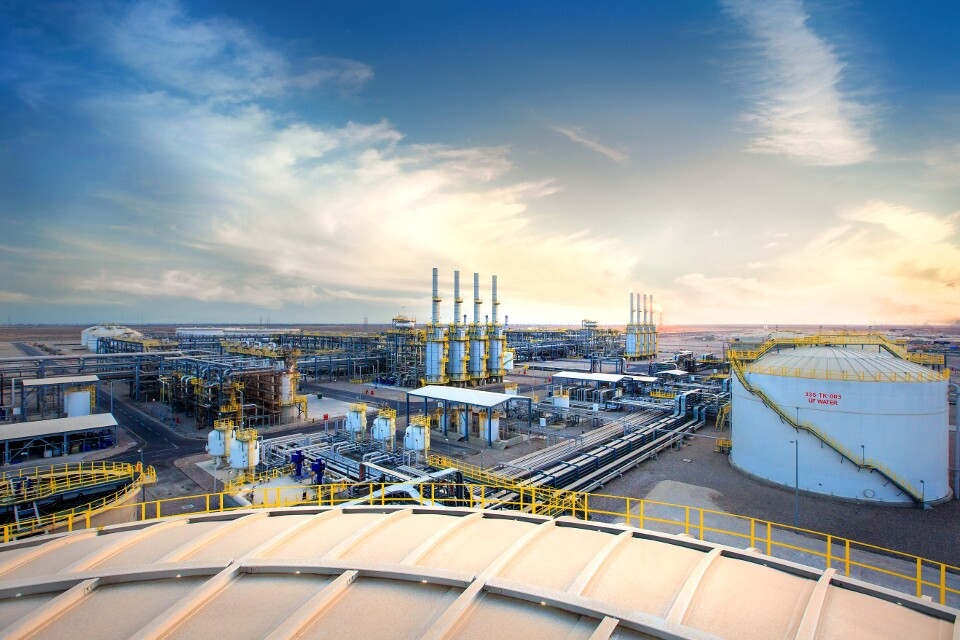
Initial assessments indicate that the leak occurred in a key pipeline segment responsible for transporting crude from the field to processing and export facilities. As pressure dropped and safety alarms triggered, operators had little choice but to shut operations to prevent escalation.
The decision, while costly, was necessary.
Safety Took Priority Over Speed
In situations like this, hesitation can turn a manageable incident into a disaster. Operators moved quickly to isolate the affected section, depressurize the system, and secure surrounding infrastructure.
This swift action likely prevented environmental damage and protected workers on site, even as production went offline.
Immediate Impact on Production and Operations
The outage resulted in a notable reduction in Iraq’s overall oil output, adding pressure to an already tightly balanced production landscape.
Output Losses and Operational Strain
With West Qurna-2 offline, thousands of barrels per day were temporarily removed from the system. While Iraq retains flexibility through other fields, replacing lost volumes is never seamless.
Export schedules had to be reassessed, storage levels monitored closely, and contingency plans activated.
Stress on Supporting Infrastructure
Beyond the field itself, downstream operations felt the strain. Processing units, transport logistics, and port scheduling had to adapt quickly, highlighting how interconnected Iraq’s oil ecosystem has become.
One weak link was enough to test the whole chain.
Human Error, Aging Infrastructure, or Both?
As investigations continue, the central question remains familiar across global energy sectors: was this caused by human error, aging assets, or a combination of both?
The Challenge of Aging Pipelines
Much of Iraq’s oil infrastructure has been operating for decades, often under harsh environmental conditions. Corrosion, fatigue, and deferred maintenance can quietly erode system integrity.
Without continuous upgrades, even well-managed assets can become vulnerable.
Operational Pressures and Risk Exposure
High production targets and compressed timelines create environments where small oversights can carry big consequences. While no single action may stand out as reckless, cumulative pressure can increase risk.
This incident has forced a candid look at everyday practices that might otherwise go unquestioned.
Response Efforts and Containment Measures
The response to the leak showed both urgency and coordination, reflecting lessons learned from past disruptions.
Rapid Mobilization on the Ground
Engineering teams were deployed to assess damage, repair the affected pipeline section, and test surrounding components. Safety inspections were expanded beyond the immediate area to rule out secondary risks.
The goal was clear: restore operations without compounding the problem.
Coordination Between Stakeholders
Government entities, field operators, and export authorities worked in parallel to manage expectations and recalibrate short-term plans. Transparent internal communication helped prevent confusion during a high-pressure period.
The response was not perfect, but it was focused.
Broader Implications for Iraq’s Oil Sector
The West Qurna-2 outage has reignited debate about resilience and reform across Iraq’s energy industry.
Infrastructure Investment Takes Center Stage
This incident has strengthened calls for accelerated investment in pipeline upgrades, digital monitoring systems, and preventative maintenance programs. Reactive fixes may no longer be enough in a market that demands reliability.
Spending today could prevent far greater losses tomorrow.
Reinforcing Trust with Global Markets
For Iraq, consistency is currency. Buyers and partners closely watch how disruptions are handled, not just whether they occur. A credible response, clear recovery timeline, and visible reforms can preserve international confidence.
Moments like these shape perception long after production resumes.
Environmental and Community Considerations
Pipeline leaks carry risks beyond economics, making environmental stewardship a critical concern.
Managing Environmental Risk
Early containment likely minimized environmental impact, but even small spills require assessment, cleanup, and reporting. Maintaining community trust depends on transparency and accountability in these processes.
Local populations watch closely when incidents occur.
Community Sensitivity and Expectations
Communities near oil fields have grown increasingly aware of environmental and safety issues. Proactive engagement and honest communication can prevent frustration from turning into opposition.
Respect is earned as much through behavior as through promises.
Lessons Learned from a Costly Interruption
Like a match lost due to avoidable errors, the West Qurna-2 outage has delivered clear lessons.
Prevention Must Outpace Production
Pushing for higher output without equal focus on maintenance increases vulnerability. Long-term success depends on balance, not just ambition.
This outage served as a reminder written in lost barrels.
Discipline in Routine Operations Matters
Major failures often begin with minor lapses. Strengthening daily inspection routines, empowering workers to flag concerns, and reducing tolerance for shortcuts can significantly lower risk.
Excellence is built in the mundane moments.
Signs of Recovery and the Road Ahead
Despite the disruption, efforts to restore operations point toward cautious optimism.
Gradual Production Restart
Once safety checks and repairs are completed, production is expected to resume in phases. This measured approach reduces the chances of repeat issues and reassures stakeholders that safety remains paramount.
Patience now protects performance later.
A Turning Point for Systemic Improvement
If treated seriously, the West Qurna-2 outage could become a turning point rather than a mere embarrassment. Every failure carries within it the chance to rebuild stronger, smarter systems.
Iraq’s response in the months ahead will define whether this moment is remembered as a stumble or a catalyst.
A Setback, Not the Final Whistle
The pipeline leak at West Qurna-2 was undeniably a blow, one marked by errors, pressure, and uncomfortable questions. But like a hard-fought match lost on mistakes and controversy, it does not define the entire campaign.
What matters now is how Iraq adapts, invests, and learns.
In facing this disruption head-on, Iraq’s energy sector has an opportunity to emerge more resilient, more disciplined, and better prepared for the challenges ahead. The outage may have stopped the flow temporarily, but the determination to improve is very much alive.
Do Follow Gulf Magazine on Instagram
Read More:- Algeria Dominates Iraq to Secure Top Spot in Group D 2025

