

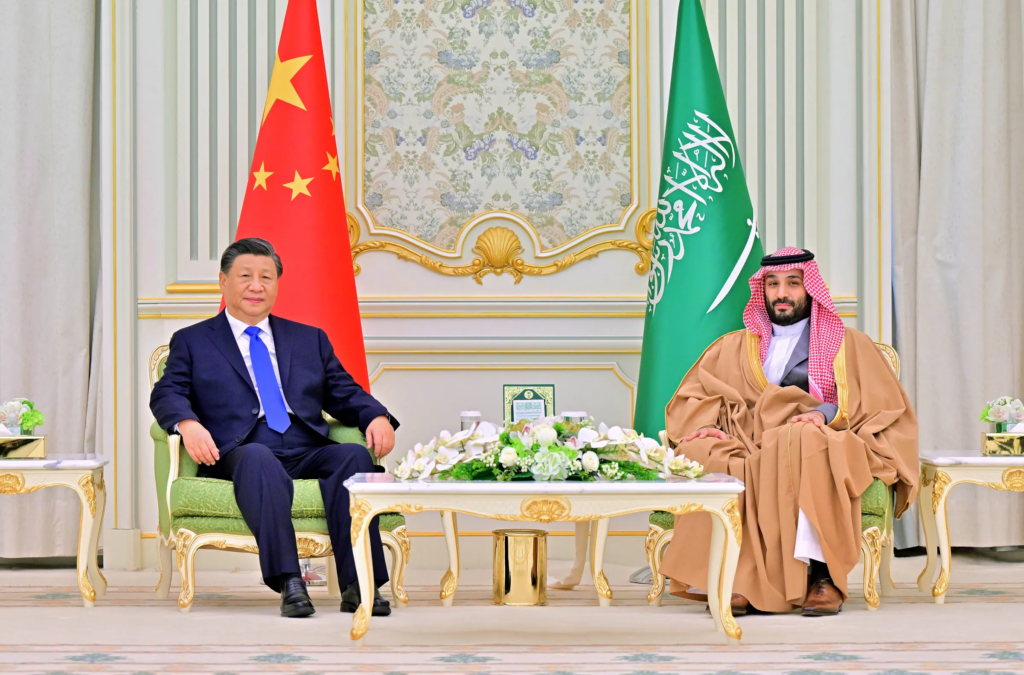
Saudi Arabia has always been a global player in energy markets, geopolitics, and regional development. In recent years, however, another power has emerged as a crucial partner: China. The growing influence of China in the Middle East is reshaping not only trade and investment patterns but also strategic and cultural relationships. For Saudi Arabia, understanding and leveraging this relationship could define its future in a rapidly changing global landscape.
China’s rise is not merely economic; it is political, technological, and cultural. For Saudi Arabia, this means more than trade deals and investments it signals a chance to diversify its economy, modernize infrastructure, and secure a strategic position in a multipolar world.
Economic Synergy: Trade and Investment
One of the most visible aspects of China’s growing role is economic collaboration. China is now one of Saudi Arabia’s largest trading partners, importing vast amounts of oil and exporting manufactured goods, technology, and infrastructure expertise.
Saudi Arabia has long relied on oil revenues, but as the world transitions toward renewable energy, the Kingdom must diversify. Here, China becomes a partner of immense potential. Chinese investments in technology, renewable energy, and urban development can accelerate Saudi Arabia’s Vision 2030 goals, helping the nation move beyond an oil-dependent economy.
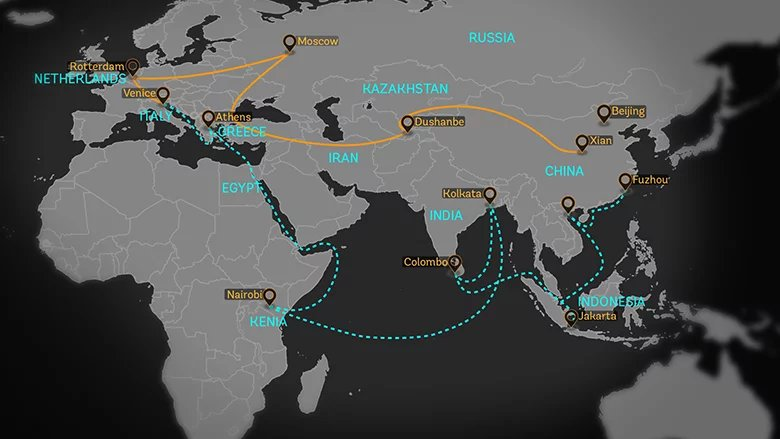
China’s Belt and Road Initiative (BRI) also provides a framework for infrastructure development. From ports and logistics hubs to industrial cities and transportation networks, Saudi Arabia can leverage Chinese expertise and funding to create economic corridors that boost domestic growth and international connectivity.
The collaboration is mutually beneficial. China secures energy resources and strengthens its geopolitical footprint, while Saudi Arabia gains access to capital, technology, and global trade networks. This economic synergy could redefine the region’s role in global commerce.
Energy Dynamics: Beyond Oil
While oil remains central to Saudi Arabia’s economy, China’s growing role encourages a broader perspective on energy. Chinese investment is not limited to traditional fossil fuels; it extends to renewable energy, nuclear power, and smart energy infrastructure.
Saudi Arabia has ambitious plans to develop solar and wind energy projects, and Chinese technology can accelerate these initiatives. Collaboration in nuclear energy could also position Saudi Arabia as a leader in clean, high-efficiency power generation in the region.
Moreover, China’s expertise in refining and petrochemicals can help Saudi Arabia move up the energy value chain, producing higher-value products rather than merely exporting crude oil. This shift is vital for long-term economic resilience and global competitiveness.
Strategic Partnership: Geopolitical Implications
China’s growing role is not just economic; it carries strategic significance. Saudi Arabia sits at the crossroads of global trade routes and regional power dynamics. Strengthening ties with China allows the Kingdom to diversify its international partnerships, balancing relations with the United States, Europe, and regional neighbors.
This strategic diversification provides Saudi Arabia with greater flexibility in global diplomacy. By maintaining strong economic and political relations with China, the Kingdom can secure a reliable partner in international forums, trade negotiations, and regional initiatives.
Furthermore, China’s non-interference policy in domestic affairs offers Saudi Arabia a partner that focuses on mutual growth rather than political conditionalities. This approach contrasts with traditional Western partnerships, providing Saudi Arabia with more autonomy in shaping its domestic and foreign policies.
Technology and Innovation: A Leap Forward
China’s technological prowess opens new avenues for Saudi Arabia’s modernization. From smart cities and artificial intelligence to telecommunications and fintech, China’s expertise can accelerate Saudi Arabia’s transformation.
The Kingdom’s Vision 2030 includes ambitious plans for digital infrastructure, innovation hubs, and tech-driven urban development. Chinese companies are already investing in these areas, providing expertise, funding, and collaborative platforms.
This collaboration can empower Saudi Arabia to nurture a knowledge-based economy, reduce dependency on oil revenues, and create high-value jobs for its population. For a young and ambitious demographic, such opportunities are crucial for sustainable growth and social stability.
Cultural and Educational Exchanges: Building Bridges
Beyond economics and technology, China’s growing role fosters cultural and educational engagement. Scholarships, student exchanges, and collaborative research initiatives strengthen people-to-people ties, building a foundation for long-term partnership.
Saudi students learning in China gain exposure to innovative technologies and global perspectives, while Chinese students studying in Saudi Arabia contribute to cultural understanding and collaboration. This exchange nurtures mutual respect and creates networks that can drive joint projects in the future.
Cultural collaborations, such as art exhibitions, music festivals, and tourism promotion, further enhance the Kingdom’s global image. China’s influence encourages Saudi Arabia to present itself as a modern, open, and innovative society, while retaining its unique cultural identity.
Challenges and Considerations
Despite the opportunities, the Saudi-China relationship is not without challenges. Economic dependency, geopolitical pressures, and cultural differences must be carefully managed.
Saudi Arabia must ensure that Chinese investment aligns with national priorities and does not compromise strategic autonomy. Diversifying international partnerships remains critical to avoiding over-reliance on any single power.
Geopolitical tensions in the Middle East, coupled with global competition between major powers, also require Saudi Arabia to navigate carefully. Strategic diplomacy and transparent policies will be essential to maintain balance and safeguard national interests.
Cultural differences can pose challenges in business practices and project implementation. Effective communication, joint governance structures, and mutual respect are crucial for long-term collaboration.
A Vision for the Future
The growing partnership with China presents Saudi Arabia with unprecedented opportunities. Economic diversification, technological advancement, energy modernization, and strategic autonomy are within reach if managed effectively.
Saudi Arabia has the chance to position itself as a global hub for trade, innovation, and cultural exchange. By leveraging China’s capabilities while maintaining sovereignty and strategic flexibility, the Kingdom can shape a future of prosperity and resilience.
The Kingdom’s youth will play a pivotal role in this transformation. Educated, tech-savvy, and globally aware, they are poised to drive innovation and entrepreneurship. Collaborations with China can provide the knowledge, skills, and platforms to empower this generation and secure a sustainable future.
Conclusion: A Strategic Alliance Shaping Tomorrow
China’s growing role in Saudi Arabia is more than a passing trend—it is a defining factor in the Kingdom’s trajectory. From economic development and energy transformation to technological innovation and cultural engagement, the partnership offers immense potential.
Success will depend on strategic planning, careful management, and a focus on long-term objectives. Saudi Arabia must embrace opportunities while navigating risks, ensuring that the partnership enhances national prosperity, global influence, and societal well-being.
As the world shifts toward multipolarity, the Saudi-China relationship can become a model for collaboration between traditional energy powers and rising global economies. By harnessing this partnership wisely, Saudi Arabia can secure a future marked by resilience, innovation, and shared prosperity.
Do follow Gulf Magazine on Instagram.
Also Read – Visit Saudi Arabia Hassle-Free: New Tourist Visa Kiosks to Ease Entry for Travelers

