

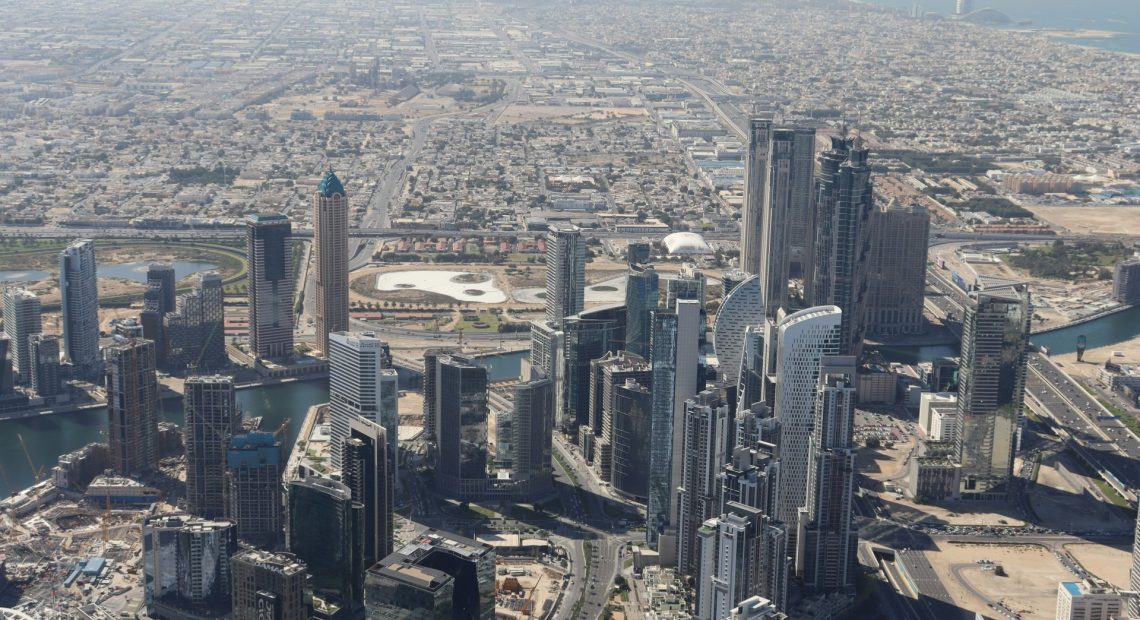
In recent years, there has been a noticeable shift in the preferences of expats in the Gulf region. Many are opting for smaller Gulf cities over the bustling metropolises that once seemed irresistible. But what exactly is driving this trend? An array of factors is making these smaller cities appealing, and understanding them can offer valuable insights into the evolving landscape of expatriate life in the Gulf.
A Quest for Quality of Life
One of the primary reasons why more expats are choosing smaller Gulf cities now is the pursuit of a better quality of life. Large cities like Dubai and Doha are known for their vibrant lifestyles and job opportunities, but they also come with challenges such as high living costs, traffic congestion, and crowded spaces.
In contrast, smaller Gulf cities often provide a more relaxed pace of life. Residents can enjoy spacious living conditions, access to nature, and a stronger sense of community. These aspects contribute to an overall improvement in well-being, making them increasingly attractive for expats seeking balance between work and personal life.
Cost-Effectiveness: A Game Changer
The financial implications of relocating to a smaller Gulf city cannot be overlooked. Expats are discovering that smaller cities offer a lower cost of living compared to their larger counterparts. Housing prices, utility bills, and daily expenses tend to be significantly more affordable, allowing expats to stretch their budgets further.
This cost-effectiveness is especially appealing to families, who often find that they can secure larger homes in quieter neighborhoods without the exorbitant price tags associated with major urban centers. This financial freedom enables them to invest in experiences and leisure activities that enhance their quality of life.
Strong Sense of Community
Another captivating aspect of smaller Gulf cities is the strong sense of community they foster. Many expats find themselves feeling isolated in larger cities, where anonymity can sometimes prevail. In contrast, smaller cities tend to have close-knit communities where residents are more likely to interact and form friendships.
These communities often host local events, cultural festivals, and social gatherings, making it easier for newcomers to integrate and feel at home. The opportunity to build meaningful connections can significantly enhance the overall experience of living abroad.
Family-Friendly Environments
Smaller Gulf cities are increasingly being recognized as family-friendly destinations. With safe neighborhoods, reputable schools, and ample recreational facilities, they provide an ideal environment for raising children.
Expats are finding that smaller cities often have a variety of educational institutions catering to different curricula, making it easy for families to find the right fit for their children. Additionally, parks, playgrounds, and family-oriented activities abound, allowing families to enjoy quality time together.
Accessibility and Connectivity
While larger cities boast extensive transportation networks, smaller Gulf cities are often more accessible in terms of navigating daily life. Commutes tend to be shorter, allowing residents to spend less time in traffic and more time with their families or on hobbies.
Moreover, many smaller cities are strategically located, ensuring that residents can benefit from the amenities of larger urban centers without the need to reside there. This balance allows expats to enjoy the best of both worlds.
Cultural Opportunities and Local Charm
Expats are increasingly drawn to the rich cultural experiences available in smaller Gulf cities. These cities often reflect the heritage and traditions of their regions, offering unique opportunities to immerse oneself in local customs and practices.
From traditional markets to local art scenes, smaller Gulf cities provide a sense of authenticity that can sometimes be overshadowed in larger urban environments. This connection to culture can enrich the expatriate experience, making it more fulfilling and memorable.
Emerging Job Markets
The economic landscape in the Gulf region is evolving, with smaller cities developing their own job markets. Industries such as technology, healthcare, and tourism are expanding in these areas, creating new opportunities for expats.
As companies recognize the benefits of being located in smaller cities such as lower overhead costs and a more content workforce they are increasingly setting up operations outside of major metropolitan hubs. This shift opens doors for expats seeking career advancement in a less competitive environment.
Health and Well-Being
Living in a smaller city can also lead to improved health and well-being. With less pollution, lower stress levels, and more opportunities for outdoor activities, expats often find themselves feeling healthier and more energetic.
The availability of local markets selling fresh produce and organic products further contributes to a healthier lifestyle, allowing residents to make better dietary choices. This focus on health and wellness is becoming a significant factor for expats in their relocation decisions.
Conclusion: A New Era for Expats in the Gulf
As the Gulf region continues to evolve, the appeal of smaller cities is becoming increasingly clear. With their promise of a better quality of life, lower costs, strong community ties, and emerging opportunities, it’s no wonder more expats are choosing to make these cities their new homes.
The shift represents a new era for expatriates in the Gulf, where lifestyle preferences are prioritized, and the richness of local culture is embraced.
Do follow Gulf Magazine on Instagram.
Also Read – Burnout in the Gulf: Why High Pay Isn’t Enough

