

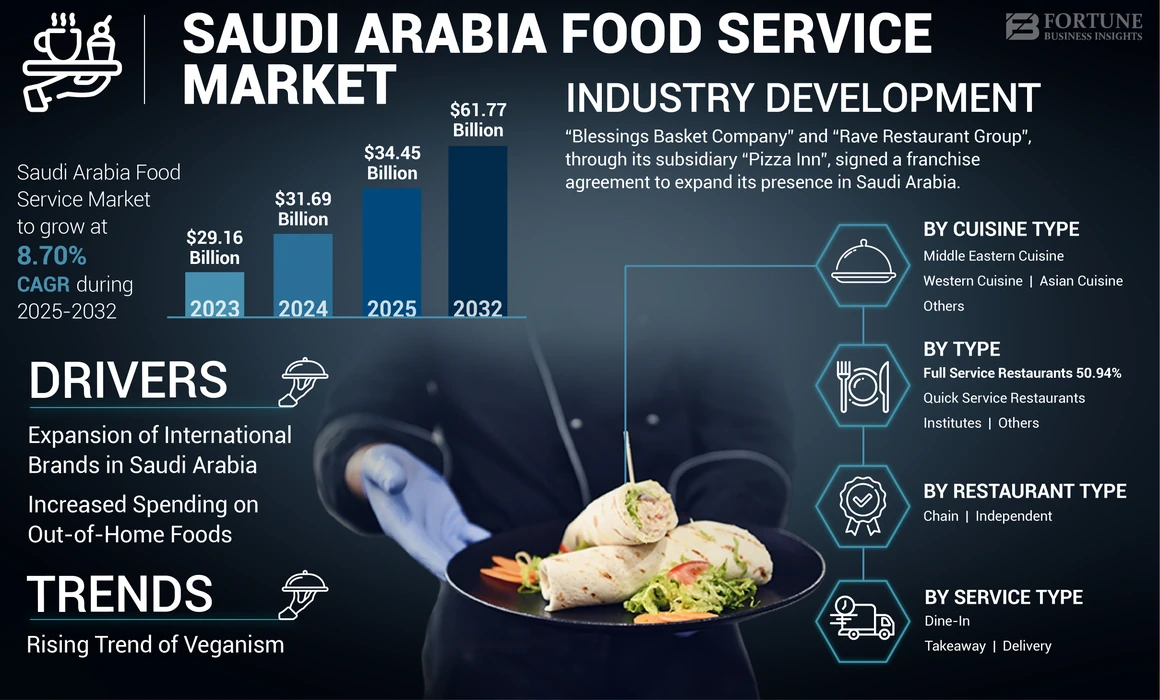
Saudi Arabia’s food industry is experiencing one of the most dynamic growth phases in its history. From international restaurant chains and cloud kitchens to large-scale food manufacturers and innovative agri-food startups, the sector is expanding rapidly. At the heart of this transformation lies one critical foundation: food safety standards. These standards are not just regulations on paper; they are essential safeguards that protect public health, strengthen consumer trust, and support the Kingdom’s broader economic vision.
As lifestyles evolve and food choices diversify, ensuring safe, high-quality food has become a national priority. Food safety standards play a defining role in shaping how the industry grows responsibly and sustainably.
The Rising Demand for Safe and Quality Food
Saudi consumers today are more informed, health-conscious, and quality-driven than ever before. Urbanization, higher disposable incomes, and exposure to global cuisines have significantly changed eating habits. With this shift comes higher expectations for hygiene, transparency, and nutritional value.
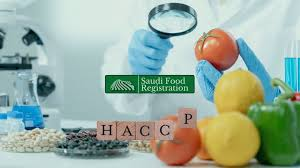
Food safety standards ensure that food products meet these expectations consistently. Whether it is fresh produce, packaged goods, or restaurant meals, safety regulations help prevent contamination, reduce foodborne illnesses, and maintain quality from farm to fork. This assurance is essential in a market where trust directly influences purchasing decisions.
Protecting Public Health and Well-Being
One of the most important reasons food safety standards matter is their direct impact on public health. Unsafe food can lead to serious health risks, including infections, long-term illnesses, and even fatalities. By enforcing strict safety protocols across the supply chain, Saudi Arabia minimizes these risks and protects its population.
Standards related to food handling, storage temperatures, sanitation, and labeling help reduce the spread of harmful bacteria and allergens. This proactive approach not only safeguards individuals but also reduces pressure on the healthcare system, contributing to overall national well-being.
Building Consumer Trust in a Competitive Market
Trust is a powerful currency in the food industry. When consumers feel confident that the food they consume is safe, they are more likely to remain loyal to brands and businesses. Food safety standards create a transparent framework that reassures customers about what they are eating and where it comes from.
Supporting Vision 2030 and Economic Growth
Food safety standards are closely aligned with Saudi Arabia’s Vision 2030 goals, which emphasize diversification, sustainability, and global competitiveness. A robust and well-regulated food industry attracts foreign investment, supports local production, and opens doors to international trade.
Exporting food products requires compliance with global safety benchmarks. By maintaining high domestic standards, Saudi food producers are better positioned to access international markets. This not only boosts economic growth but also enhances the Kingdom’s image as a reliable player in the global food supply chain.
Encouraging Innovation and Modernization
Strong food safety regulations encourage businesses to adopt modern technologies and best practices. From automated quality control systems to advanced cold chain logistics, compliance often drives innovation. Companies invest in better equipment, staff training, and digital monitoring tools to meet regulatory requirements efficiently.
This modernization benefits the entire industry. It improves operational efficiency, reduces waste, and enhances product consistency. Over time, these improvements make Saudi Arabia’s food sector more resilient and future-ready.
Strengthening the Restaurant and Hospitality Sector
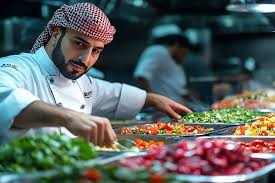
Saudi Arabia’s hospitality and dining scene is flourishing, supported by tourism growth and a vibrant social culture. Food safety standards are essential in maintaining high service quality across restaurants, cafes, hotels, and catering services.
Consistent inspections and hygiene requirements help ensure that dining experiences are not only enjoyable but also safe. For international visitors and local diners alike, knowing that strict standards are in place enhances confidence and encourages exploration of the Kingdom’s diverse food offerings.
Empowering Small Businesses and Local Producers
Food safety standards also play a vital role in supporting small and medium-sized enterprises. While compliance may seem challenging at first, clear guidelines help small businesses understand expectations and improve their practices. This levels the playing field and allows local producers to compete fairly with larger players.
As local brands grow and gain recognition for quality and safety, they contribute to job creation and community development. In this way, food safety standards become a tool for inclusive economic progress.
Promoting Sustainability and Reducing Waste
Safe food practices are closely linked to sustainability. Proper storage, handling, and transportation reduce spoilage and food waste. Clear expiration labeling helps consumers make informed choices, while quality control prevents large-scale product recalls.
By reducing waste and promoting efficient resource use, food safety standards support environmental responsibility. This aligns with Saudi Arabia’s broader commitment to sustainable development and responsible consumption.
Educating the Workforce and Consumers
Food safety standards are not only about enforcement; they are also about education. Training programs for food handlers, chefs, and suppliers raise awareness about hygiene and best practices. An informed workforce is better equipped to maintain high standards consistently.
At the same time, consumers benefit from greater awareness about food labels, storage, and preparation. This shared responsibility strengthens the overall food ecosystem and fosters a culture of safety.
A Foundation for a Confident Food Future
As Saudi Arabia’s food industry continues to grow and diversify, food safety standards remain its strongest foundation. They protect health, build trust, support innovation, and enable global competitiveness. More importantly, they reflect a commitment to quality of life for everyone who lives in or visits the Kingdom.
In a rapidly changing food landscape, strong safety standards are not a limitation but a powerful enabler. They ensure that growth is responsible, sustainable, and centered on people. By prioritizing food safety today, Saudi Arabia is shaping a confident, healthy, and prosperous food future for generations to come.
Do follow Gulf Magazine on Instagram.
Also Read – Goldman Sachs Gold Forecast 2026 Signals Historic Upside

