


Women in Gulf government leadership are no longer just a concept—they are becoming a powerful reality. Across the Gulf Cooperation Council (GCC) countries, women are increasingly taking on influential positions in government, contributing to policy-making, economic growth, and social development. This shift marks a historic transformation in a region traditionally dominated by male leaders.
The role of women in Gulf government leadership has evolved significantly over the past few decades. From advisory roles to ministers, governors, and heads of key government institutions, women are now shaping policies that impact millions of people. Their participation is a testament to the region’s commitment to gender equality and social progress.
Rising Trends: Women in Gulf Government Leadership
The Gulf countries—Saudi Arabia, United Arab Emirates, Qatar, Bahrain, Kuwait, and Oman—have all witnessed significant changes in recent years regarding women’s involvement in government leadership. This trend is driven by several factors:
- Visionary National Plans: Countries like Saudi Arabia and the UAE have national visions that emphasize women’s empowerment, ensuring their active participation in governance.
- Educational Advancement: Women in the Gulf now have greater access to higher education, particularly in fields like law, economics, public administration, and international relations.
- Global Influence: International pressure and global gender equality initiatives have encouraged Gulf governments to open leadership opportunities for women.
For example, in the UAE, women now hold approximately 50% of positions in the Federal National Council, and several ministers are women. In Saudi Arabia, women have been appointed to significant ministerial and advisory roles, reflecting a paradigm shift in governance.
Breaking Barriers: Challenges and Achievements
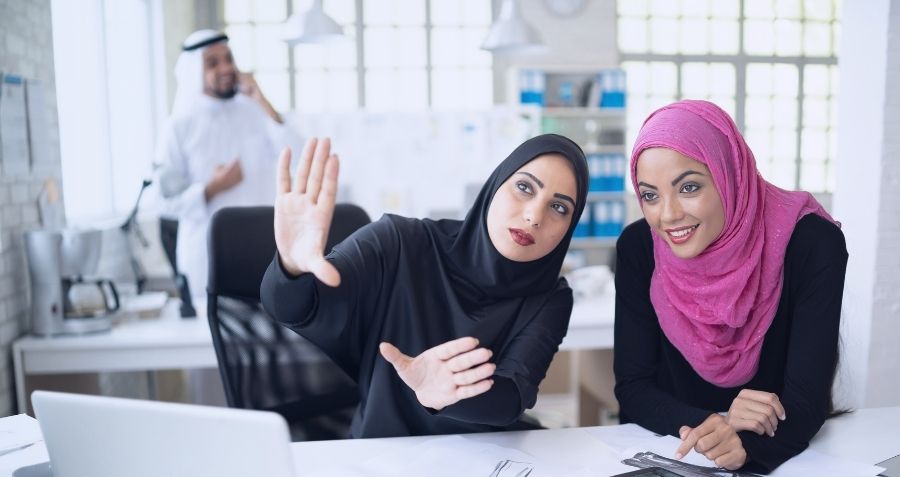
Women in Gulf government leadership positions have faced numerous challenges, including social expectations, cultural norms, and historical limitations on women’s public roles. Despite these obstacles, many women have succeeded in breaking barriers and achieving remarkable milestones:
- Policy Influence: Women ministers and advisors have contributed to shaping education, health, social welfare, and economic policies.
- Economic Participation: Female leaders have driven initiatives that support entrepreneurship, labor reforms, and gender equality in workplaces.
- Global Recognition: Women leaders from the Gulf are increasingly visible on international platforms, advocating for women’s rights and sustainable development.
Notable examples include Lubna Olayan from Saudi Arabia, who has served as an advisor to multiple government projects, and Reem Al Hashimy from the UAE, whose leadership in organizing global events has garnered international acclaim.
Subheading: Education as a Gateway to Leadership
Education has played a crucial role in empowering women to take on government leadership roles in the Gulf. Over the past two decades, the number of women pursuing higher education has skyrocketed. Many Gulf countries now report more women than men in universities, particularly in disciplines relevant to public administration and governance.
Key points:
- STEM and Leadership Training: Women are increasingly entering STEM fields, preparing them for future leadership roles in technology and innovation sectors.
- Scholarship Programs: Governments have introduced scholarship programs specifically aimed at nurturing female talent for leadership positions.
- International Exposure: Exchange programs and international fellowships provide Gulf women with a broader perspective and leadership skills.
Subheading: Women Shaping Policy and Governance
Women in Gulf government leadership are not just symbolic figures—they are actively shaping national policies. Their involvement is evident across several sectors:
- Economic Policy: Female leaders in finance ministries are contributing to economic diversification and labor reforms.
- Social Policy: Women’s leadership in social affairs ministries has improved education, healthcare, and social welfare programs.
- Sustainable Development: Women in environmental and energy sectors are pushing for policies aligned with global sustainability goals.
These contributions highlight that women are not only participants in governance but also key drivers of progress and innovation.
Subheading: Role Models and Inspirational Leaders
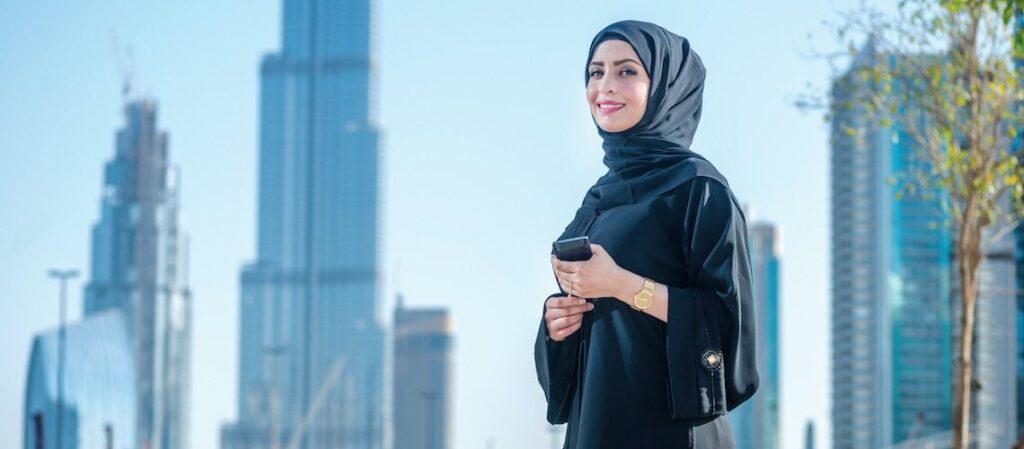
The visibility of women in leadership inspires a new generation to aim higher. Role models like Dr. Amal Al Qubaisi, the first female speaker of the UAE Federal National Council, and Sheikha Lubna Al Qasimi, the UAE’s former Minister of State for Tolerance, demonstrate that women can excel in governance.
- Mentorship Programs: Many Gulf countries have initiated mentorship programs where established women leaders guide younger professionals.
- Recognition and Awards: Governments honor women leaders through awards and public recognition, highlighting their contributions to society.
- Public Engagement: Women leaders actively engage with citizens, increasing public trust and participation in governance.
Subheading: Future Outlook for Women in Gulf Government Leadership
The future looks promising for women in Gulf government leadership. Key trends indicate further growth and influence:
- Increased Representation: Countries are setting targets for higher female representation in councils, ministries, and public institutions.
- Policy Reforms: Legal frameworks are being adjusted to remove barriers for women in public service.
- Cultural Shift: Societal attitudes are gradually embracing women in leadership, recognizing their role in nation-building.
Experts predict that in the next decade, Gulf women will occupy some of the highest positions in government, including ministers of key portfolios, ambassadors, and even heads of state advisory councils.
Conclusion: A Transformative Era
Women in Gulf government leadership are transforming the region’s political landscape. Their contributions extend beyond gender equality—they are central to economic growth, social development, and global engagement. As more women take up leadership positions, the Gulf countries are setting an inspiring example for the world.
The journey of women in governance in the Gulf is a story of resilience, ambition, and progress. It reflects a region embracing change, valuing talent, and recognizing that leadership is not defined by gender but by vision and capability.
Also read: Smart Metering: 5 Powerful Ways Transforming Utilities Management in Kuwait

