

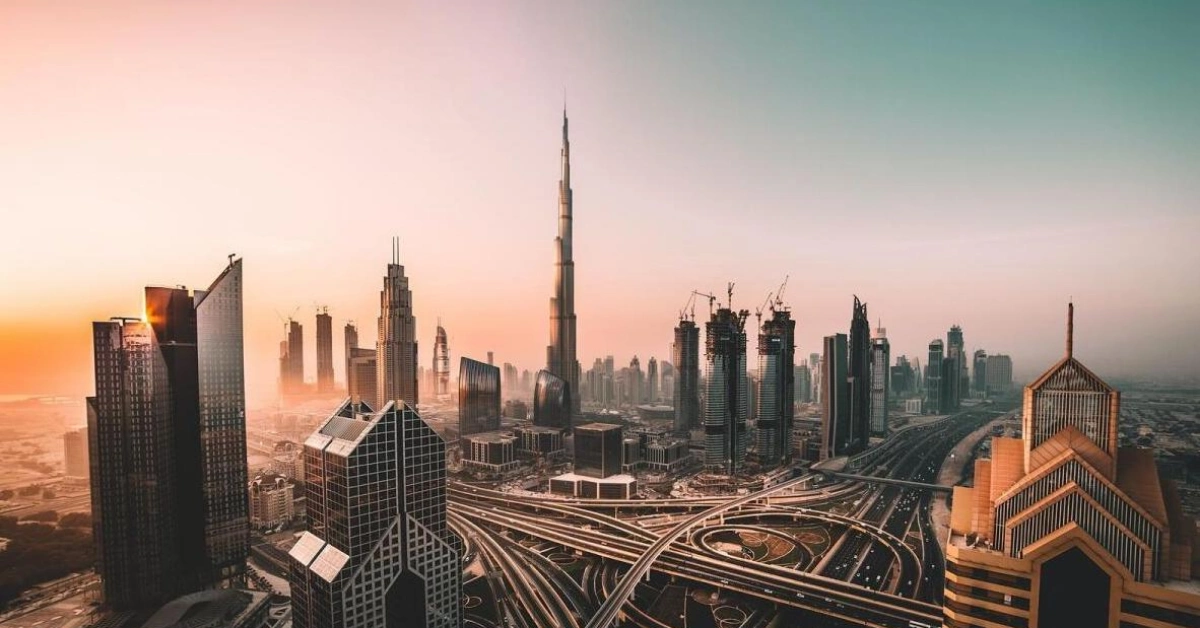
The World Bank has forecasted that the Gulf Cooperation Council (GCC) economies are poised for a significant recovery, with growth anticipated to rebound to 4.8% by 2027. This optimistic outlook hinges on two critical factors: the rise in oil output and the expansion of non-oil sectors. Understanding how these elements interact can provide valuable insights into the future economic landscape of the GCC region.
Understanding the GCC Economic Landscape
The GCC, comprising six member states Bahrain, Kuwait, Oman, Qatar, Saudi Arabia, and the United Arab Emirates has long been characterized by its reliance on oil exports. However, the recent World Bank report suggests a shift toward a more diversified economic structure. This transition is vital for sustainable growth, especially in the face of fluctuating oil prices and global economic challenges.
With the global economy increasingly emphasizing sustainability and diversification, the GCC nations are recognizing the need to strengthen non-oil sectors. This strategy is not only about mitigating risks associated with oil dependency but also about fostering resilience in their economies.
Oil Output: A Foundation for Growth
The projected increase in oil output is a significant driver of the expected 4.8% growth in the GCC economies. As major oil producers, these nations have the infrastructure, technology, and expertise to boost production levels. This resurgence in oil activity is likely to support not just government revenues, but also the broader economy.
In recent years, many GCC countries have implemented strategies to enhance oil production efficiency and invest in advanced extraction technologies. These efforts are crucial for maintaining competitiveness in the global oil market. Additionally, as demand for energy rises, particularly in emerging markets, the GCC’s ability to meet this demand will bolster its economic prospects.
Non-Oil Sectors: The Key to Diversification
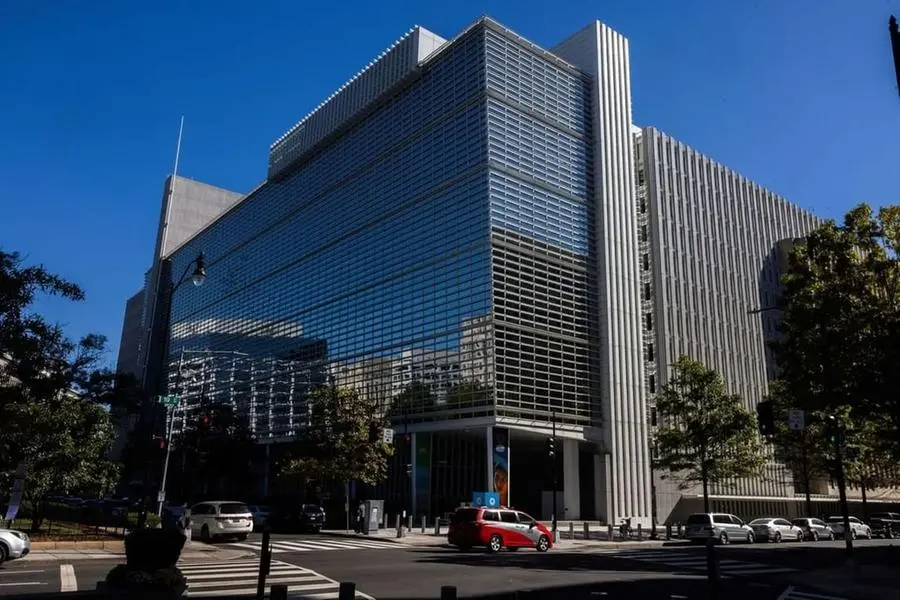
While oil remains a significant part of the GCC economy, the World Bank highlights the increasing importance of non-oil sectors such as tourism, finance, and technology. These sectors are not only essential for diversification but also play a pivotal role in job creation and attracting foreign investment.
Tourism, for example, has seen substantial growth in recent years, with countries like the UAE and Qatar investing heavily in infrastructure and marketing to attract international visitors. This push is aimed at developing the region as a global tourist hub, which can significantly contribute to economic stability.
Moreover, the technology sector is rapidly evolving within the GCC. Initiatives to foster tech startups and encourage innovation are reshaping the economic landscape, presenting new opportunities for growth. The emphasis on digital transformation is expected to yield substantial returns, further supporting the World Bank’s forecast.

Challenges and Opportunities Ahead
While the prospects for the GCC economies appear promising, several challenges remain. Global economic uncertainties, changes in energy consumption patterns, and geopolitical tensions could pose risks to this growth trajectory. However, the proactive measures taken by GCC governments to diversify their economies offer a buffer against these uncertainties.
The ongoing commitment to investing in infrastructure, education, and sustainable practices will be crucial for maintaining momentum. The potential for renewable energy sources is also becoming increasingly relevant, as GCC nations explore ways to balance their traditional oil-based economies with greener alternatives.
The Role of Policy and Governance
Effective governance and sound economic policies will be instrumental in realizing the World Bank’s growth projections. By fostering a business-friendly environment, GCC countries can attract foreign investment and stimulate domestic entrepreneurship. This, in turn, will enhance their resilience against external economic shocks.
Collaboration among GCC member states is also vital. Joint initiatives can amplify the impact of diversification efforts, allowing countries to leverage shared resources and expertise. As they work together, these nations can create a more integrated and robust economic framework.
Conclusion: A Bright Future for GCC Economies
The World Bank’s prediction of a 4.8% rebound in GCC growth by 2027 underscores the resilience and adaptability of these economies. By capitalizing on both oil output and the growth of non-oil sectors, the GCC is well-positioned to navigate future challenges and thrive in an evolving global landscape.
As these nations continue to implement strategic diversification initiatives, the future looks bright, promising sustained economic growth and stability for years to come.
Do follow Gulf Magazine on Instagram.
Also Read – Oman Tourism Real Estate Projects Drive Economic Growth

