

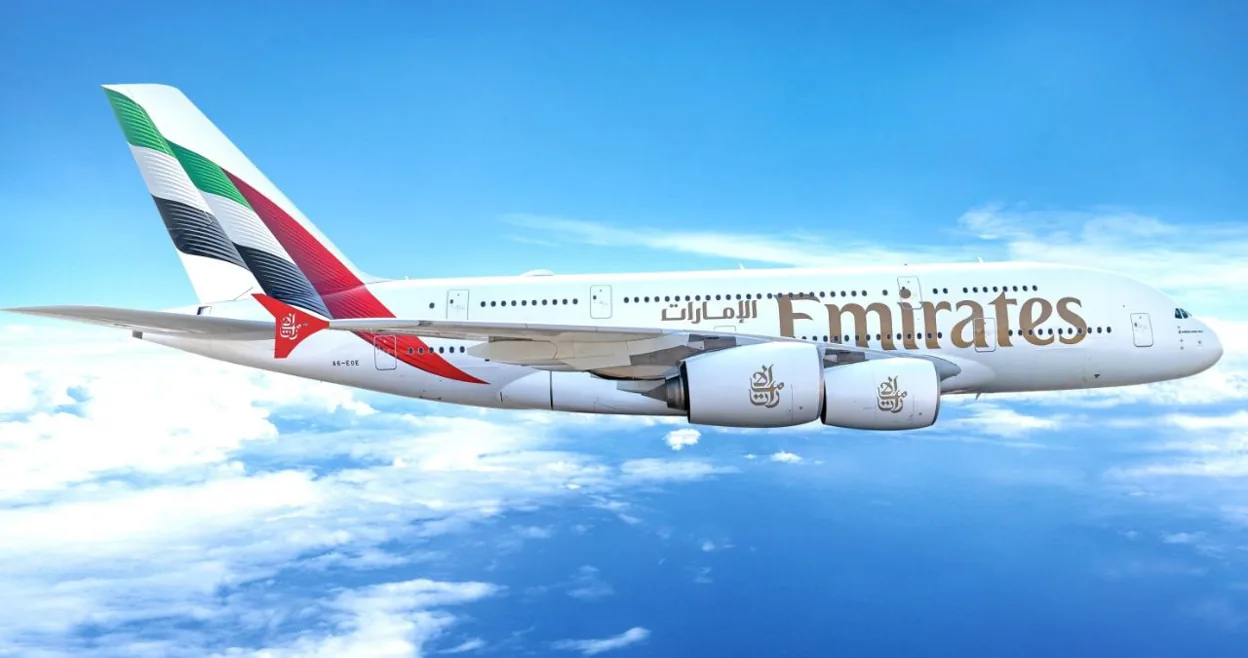
For millions of travelers, safety is not just a checklist item it is peace of mind. When passengers step onto an aircraft, they trust the airline with their lives, their families, and their journeys. That trust is earned through years of discipline, innovation, and an uncompromising commitment to excellence. Etihad Airways and Emirates have once again proven why they are considered among the world’s safest airlines, reinforcing the Gulf region’s reputation as a global aviation leader.
Their recognition is not accidental. It reflects a deep-rooted culture where safety comes first, supported by world-class training, cutting-edge aircraft, and operational standards that often exceed international requirements.
What Defines the World’s Safest Airlines?
Safety rankings in aviation are built on a complex mix of factors rather than a single metric. Airlines are evaluated on fleet age, maintenance standards, pilot training programs, incident history, regulatory compliance, and the ability to adapt to new safety challenges.
Etihad and Emirates consistently perform strongly across all these areas. Their safety performance is the result of systems working together seamlessly from engineers on the ground to pilots in the cockpit, and from advanced technology to human decision-making.
Etihad Airways: Precision, Training, and Culture
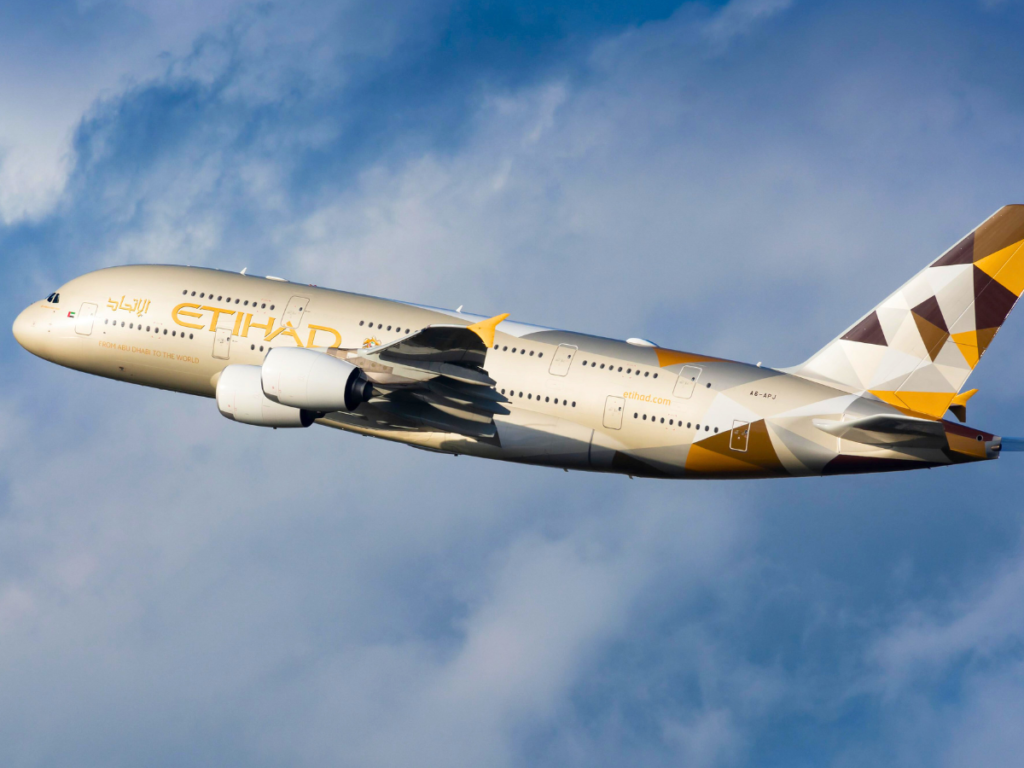
Etihad Airways has developed a reputation for precision-driven operations. From its Abu Dhabi hub, the airline manages a diverse global network while maintaining strict safety controls across every route.
One of Etihad’s strengths lies in its safety culture. Employees at all levels are trained to report risks without fear, creating an environment where potential issues are addressed before they escalate. This proactive approach reduces incidents and strengthens operational resilience.
Pilot training at Etihad is intensive and continuous. Simulators replicate rare and extreme scenarios, ensuring flight crews are prepared for situations that may never occur in real life but could. This commitment to preparation builds confidence, both in the cockpit and among passengers.
Emirates: Scale Without Compromise
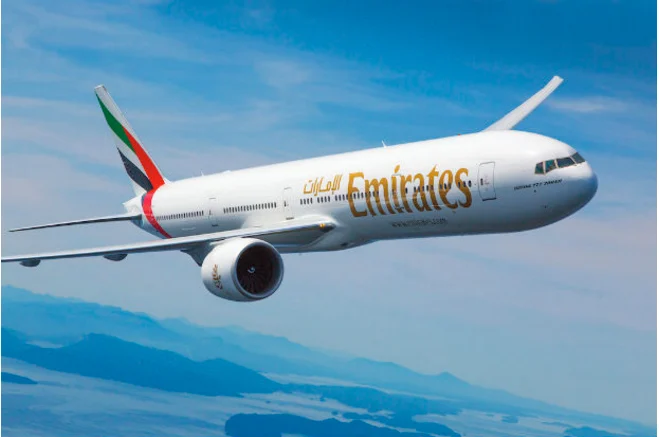
Operating one of the world’s largest long-haul fleets, Emirates faces the challenge of scale. Yet the airline has turned this into an advantage by standardizing excellence across operations.
Emirates is known for maintaining one of the youngest and most technologically advanced fleets in the sky. Modern aircraft come equipped with enhanced safety systems, advanced navigation tools, and real-time monitoring that allows ground teams to support crews during flights.
Beyond hardware, Emirates invests heavily in people. Cabin crew are trained not only in service but also in emergency response, medical situations, and security awareness. Pilots undergo rigorous recurrent training that reflects evolving global aviation risks.
Fleet Modernization as a Safety Pillar
A modern fleet is a critical foundation of airline safety, and both Etihad and Emirates prioritize fleet renewal. Newer aircraft benefit from improved materials, smarter software, and better fuel efficiency all of which contribute to safer operations.
Advanced aircraft systems can detect technical issues early, assist pilots during complex maneuvers, and reduce human error. This combination of technology and training strengthens overall flight safety while enhancing passenger comfort.
Technology That Protects Every Journey
Aviation safety today relies heavily on data. Etihad and Emirates use predictive analytics to identify trends, monitor aircraft health, and refine operational procedures. This data-driven approach allows them to anticipate problems rather than react to them.
Real-time communication between aircraft and operations centers ensures that crews receive updated weather, routing, and safety information throughout a flight. These systems support decision-making and reduce uncertainty, particularly during long-haul operations.
Regulatory Excellence and Global Standards
Both airlines operate under some of the world’s most demanding aviation regulations. Compliance with international safety bodies is not treated as a minimum requirement but as a baseline to build upon.
Regular audits, inspections, and certifications ensure that processes remain aligned with best practices. By embracing global standards rather than resisting them, Etihad and Emirates demonstrate transparency and accountability qualities that strengthen public trust.
Human-Centered Safety: Beyond Machines
While technology plays a vital role, aviation safety ultimately depends on people. Both airlines emphasize human factors training, recognizing that fatigue, communication, and decision-making are just as important as mechanical reliability.
Crew resource management training ensures that pilots and cabin crew work as cohesive teams, encouraging open communication and shared responsibility. This human-centered approach reduces errors and improves responses during high-pressure situations.
Passenger Confidence in a Changing World
In recent years, travelers have become more conscious of safety than ever before. Health protocols, operational reliability, and crisis management now shape airline reputations alongside traditional safety metrics.
Etihad and Emirates have responded by adapting quickly to global challenges, maintaining high standards even during periods of disruption. Their ability to remain reliable under pressure has strengthened passenger confidence and loyalty.
The Gulf’s Growing Aviation Leadership
The recognition of Etihad and Emirates among the world’s safest airlines highlights a broader trend: the Gulf region’s rise as a global aviation powerhouse. Strategic investment, long-term planning, and a willingness to innovate have positioned Gulf carriers at the forefront of the industry.
This leadership extends beyond commercial success. By setting high safety benchmarks, these airlines influence global aviation standards and inspire confidence across international markets.
Why Safety Rankings Matter to Travelers
For passengers, safety rankings are more than headlines. They provide reassurance, especially for families, frequent flyers, and long-haul travelers. Knowing that an airline prioritizes safety allows travelers to focus on the experience rather than potential risks.
Etihad and Emirates understand this emotional dimension of travel. Their consistent performance reinforces the idea that safety is not a marketing claim but a lived commitment.
Looking Ahead: Raising the Bar Even Higher
Aviation safety is not static. New technologies, evolving airspace challenges, and changing passenger expectations mean airlines must constantly adapt. Etihad and Emirates continue to invest in innovation, training, and sustainability to ensure safety evolves alongside growth.
Future initiatives include smarter aircraft systems, enhanced pilot support tools, and deeper integration of artificial intelligence into maintenance and operations. These developments aim to make flying even safer in the years ahead.
Conclusion: Safety as a Promise Kept
Being ranked among the world’s safest airlines is not a one-time achievement it is a promise that must be kept every day. Etihad Airways and Emirates have shown that safety excellence is built through discipline, investment, and respect for human life.
For travelers around the world, their recognition offers reassurance that when you fly with these airlines, you are choosing carriers where safety is not just a priority it is the foundation of everything they do.
Do follow Gulf Magazine on Instagram.
Also Read – How Gulf Nations Are Promoting Sustainable and Organic Food

