


The Middle East and Horn of Africa are once again at the center of global attention as Yemen and Oman firmly reject Israel’s recognition of Somaliland. The decision has sparked debate far beyond diplomatic circles, touching on questions of sovereignty, regional stability, and the future balance of power in one of the world’s most sensitive geopolitical corridors.
For Yemen and Oman, this rejection is not just about Somaliland. It reflects long-held principles, historical ties, and a deep concern for regional unity. At a time when alliances are shifting rapidly, their stance sends a clear message about how they view unilateral political moves and external interference.
Understanding Somaliland’s Status
A Region Seeking Recognition
Somaliland declared independence from Somalia in 1991, following the collapse of Somalia’s central government. Since then, it has functioned with its own institutions, elections, and security systems. Supporters argue that Somaliland has demonstrated political stability and deserves international recognition as a sovereign state.
However, most of the world, including the United Nations, continues to recognize Somaliland as part of Somalia. This lack of recognition is rooted in the principle of preserving existing national borders in Africa, a policy designed to prevent endless fragmentation and conflict.
Why Recognition Is So Sensitive
Recognition of a new state is never a simple act. It can reshape borders, alter alliances, and set precedents for other separatist movements. In regions already facing political fragility, such decisions can create ripple effects that last for decades.
For Yemen and Oman, recognizing Somaliland outside an internationally agreed framework risks undermining Somalia’s territorial integrity and encouraging similar movements elsewhere.
Israel’s Recognition and Regional Reaction
A Strategic Decision
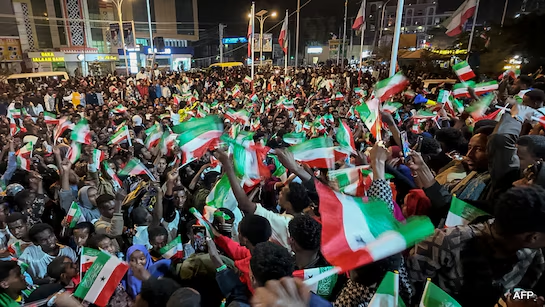
Israel’s recognition of Somaliland has been widely interpreted as a strategic move rather than a symbolic one. The Horn of Africa sits along critical maritime routes, including access points near the Red Sea and the Gulf of Aden. These waterways are vital for global trade and regional security.
By recognizing Somaliland, Israel may be seeking to expand its diplomatic footprint and strengthen its strategic presence in the region. While such moves align with Israel’s national interests, they also raise concerns among neighboring states.
Immediate Pushback from Yemen and Oman
Yemen and Oman responded swiftly, rejecting Israel’s decision and reaffirming their commitment to Somalia’s unity. Their statements emphasized respect for international law and warned against actions that could destabilize the region.
What stands out is the clarity of their message. Rather than cautious diplomatic language, both countries chose firm and direct positions, signaling that this issue touches a core regional principle.
Yemen’s Perspective: Unity Above All
Historical and Regional Ties
Yemen’s opposition is deeply influenced by its historical and cultural connections to the Horn of Africa. Across the Red Sea, Yemen has long shared trade links, migration patterns, and social ties with Somalia. Any move that threatens Somalia’s unity is viewed in Yemen as a threat to regional balance.
Yemen’s leadership has consistently supported the idea that political solutions in Somalia must come through dialogue and international consensus, not unilateral recognition.
Security Concerns
From Yemen’s standpoint, the Red Sea and Gulf of Aden are already under immense strain due to ongoing conflicts and security challenges. Introducing new political tensions could worsen instability, affecting shipping lanes and regional safety.
Rejecting the recognition of Somaliland is, therefore, also about protecting fragile security dynamics that impact Yemen directly.
Oman’s Diplomatic Approach
A Tradition of Neutrality
Oman is widely respected for its balanced and diplomatic foreign policy. Known for acting as a mediator in regional conflicts, Oman often prioritizes dialogue over confrontation. Its rejection of Israel’s recognition of Somaliland reflects this philosophy.
Oman’s position underscores the importance of resolving such matters through internationally recognized processes rather than unilateral decisions.
Protecting Regional Stability
For Oman, stability in the Horn of Africa is closely linked to stability in the Arabian Peninsula. Any disruption across the sea can quickly have economic and security consequences.
By rejecting the recognition, Oman reinforces its commitment to peaceful coexistence and warns against actions that may inflame existing tensions.
The Somalia Angle
Sovereignty and International Law
Somalia has strongly opposed any recognition of Somaliland, viewing it as a violation of its sovereignty. Yemen and Oman’s stance aligns closely with Somalia’s position, strengthening its diplomatic hand on the international stage.
This support matters. For a country rebuilding after decades of conflict, international backing helps maintain legitimacy and encourages investment in national unity.
Impact on Peace Efforts
Somalia continues to work through internal political challenges and security threats. External recognition of breakaway regions can complicate reconciliation efforts and weaken trust among different groups.
By rejecting Israel’s move, Yemen and Oman signal their support for Somalia’s long-term peace process rather than short-term political gains.
Broader Regional Implications
Setting a Precedent
One of the biggest fears surrounding the recognition of Somaliland is the precedent it could set. Across Africa and the Middle East, there are regions with separatist aspirations.
Yemen and Oman’s rejection sends a message that borders should not be altered without broad international agreement. This stance supports stability over fragmentation.
Shifting Alliances in the Horn of Africa
The Horn of Africa has become a focal point for global powers seeking influence through ports, military bases, and economic partnerships. New recognitions and alliances add another layer to this complex landscape.
By taking a clear position, Yemen and Oman assert their voices in shaping how regional alignments evolve.
Human Impact Beyond Politics
Ordinary Lives at Stake
While diplomatic debates often focus on strategy and sovereignty, the real impact is felt by ordinary people. Political instability can disrupt trade, increase prices, and limit access to essential services.
Yemen and Oman’s stance reflects an understanding that stability is not just a political ideal but a necessity for millions who depend on peaceful regional relations for their livelihoods.
Hope for Cooperative Solutions
Rejecting unilateral recognition does not mean rejecting dialogue. Both countries continue to support peaceful discussions and cooperative solutions that respect international norms.
Their message is clear: lasting peace comes from consensus, not sudden political gestures.
What This Means Going Forward
Diplomatic Conversations Ahead
Israel’s recognition of Somaliland has opened the door to intense diplomatic discussions. Countries across the Middle East and Africa will weigh their responses carefully, balancing national interests with regional responsibilities.
Yemen and Oman are likely to continue advocating for a unified international approach, encouraging dialogue rather than division.
A Test of Regional Principles
This moment serves as a test of how strongly regional actors adhere to principles of sovereignty and international law. Yemen and Oman’s rejection highlights their commitment to these values, even amid changing geopolitical realities.
Conclusion: A Stand Rooted in Stability
Yemen and Oman’s rejection of Israel’s recognition of Somaliland is more than a political statement. It is a reflection of their belief in unity, stability, and respect for international processes.
In a region often defined by rapid shifts and uncertainty, their stance offers a sense of continuity and principle. By prioritizing dialogue and sovereignty, Yemen and Oman remind the world that lasting peace is built not on unilateral decisions, but on shared understanding and collective responsibility.
Do Follow Gulf Magazine on Instagram
Read More:- Gulf Leaders Shape a Bold New Regional Order 2025

