

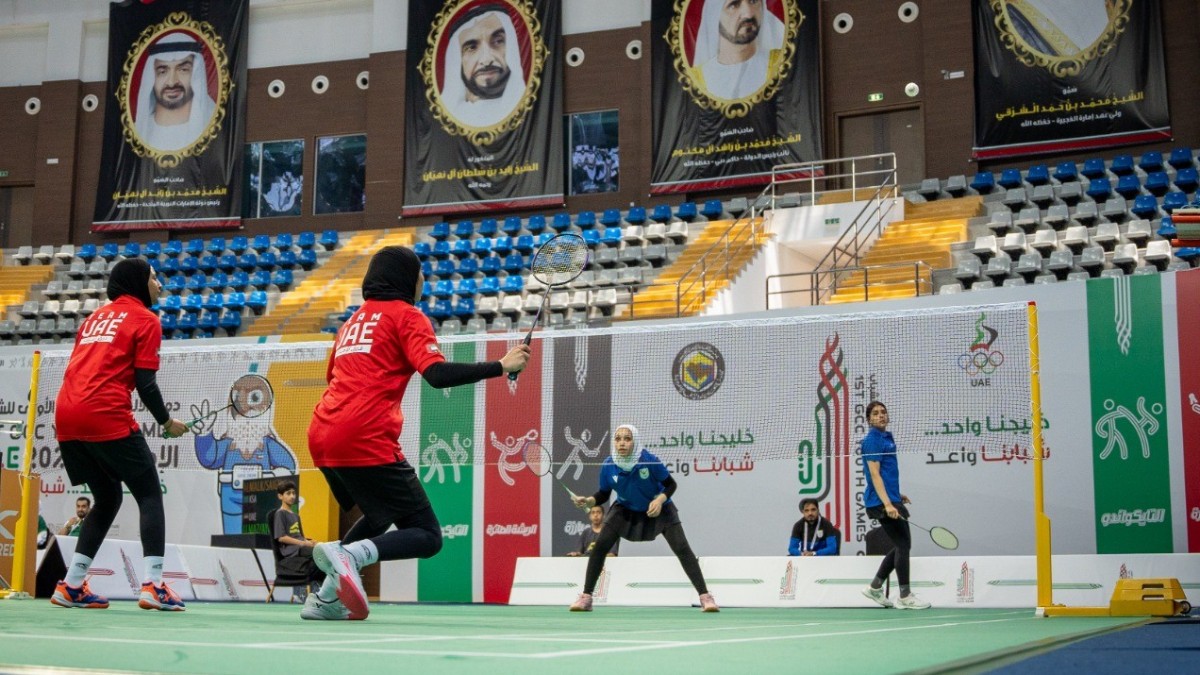
Across the Gulf region, something powerful is happening on football fields, swimming pools, athletics tracks, and school playgrounds. Children and teenagers are no longer just playing sports for fun or fitness. They are becoming part of a long-term vision that sees youth sports as the foundation of national pride, global competitiveness, and healthier societies.
From Saudi Arabia and the UAE to Qatar, Kuwait, Bahrain, and Oman, governments, schools, families, and private academies are investing unprecedented energy into youth athletics. This movement is not only about winning medals; it is about shaping disciplined, confident, and globally competitive generations.
The future of Gulf athletics is being written today by its youth.
The Cultural Shift Toward Youth Sports in the Gulf
For many years, professional sports in the Gulf relied heavily on imported talent. While this helped raise standards quickly, it also highlighted the need to nurture homegrown athletes. Today, that mindset is changing.
Parents are increasingly encouraging children to pursue sports alongside academics. Schools are expanding physical education programs. Communities are embracing sports as a lifestyle rather than a luxury. Youth participation is no longer limited to football alone, as basketball, athletics, swimming, martial arts, cycling, and esports gain popularity.
This cultural shift reflects a deeper understanding that athletic excellence begins early and must be nurtured patiently.
Government Vision Driving Youth Athletic Development
One of the strongest forces behind youth sports growth in the Gulf is government leadership. National visions across the region place youth, health, and sports development at their core.
Long-Term Sports Strategies
Gulf governments are no longer focused solely on hosting global sporting events. They are building long-term systems that identify talent at a young age, develop it locally, and prepare athletes for international competition.
Youth leagues, national school championships, and structured talent pathways are now common. These systems ensure that promising athletes are not lost due to lack of opportunity or guidance.
Investment in Facilities and Infrastructure
Modern stadiums, community sports complexes, Olympic-standard pools, and training centers are increasingly accessible to young athletes. Importantly, many facilities are designed with youth development in mind rather than elite professionals alone.
This accessibility allows children from diverse backgrounds to train in environments once reserved for professionals.
Schools as the Backbone of Youth Sports
Schools play a critical role in shaping the future of Gulf athletics. Education systems are increasingly recognizing that sports and academics are partners, not competitors.
Expanded Physical Education Programs
Physical education in Gulf schools has evolved beyond basic fitness routines. Structured sports training, inter-school competitions, and certified coaching are becoming standard.
Students are exposed to multiple sports at a young age, helping them discover natural strengths while developing coordination, teamwork, and discipline.
Scholarships and Athlete-Friendly Education Models
Sports scholarships and flexible academic models are supporting talented young athletes. These initiatives reduce the pressure to choose between education and sport, allowing youth to pursue excellence in both.
This balance is essential in creating confident athletes who are prepared for life beyond competition.
Private Academies and Grassroots Programs
Alongside public initiatives, private sports academies have transformed the youth sports landscape across the Gulf.
Professional Training from an Early Age
Football academies, swimming schools, tennis centers, and martial arts studios offer professional coaching for children as young as five. Many academies follow international training standards while adapting programs to local needs.
This early exposure helps young athletes build strong technical foundations while learning discipline and resilience.
Grassroots Programs Reaching Communities
Community-based sports programs are ensuring that youth sports are not limited to elite families. Affordable training sessions, weekend leagues, and neighborhood tournaments are creating inclusive environments where talent can emerge naturally.
Grassroots programs often become the first stepping stone for future national athletes.
Football’s Role in Youth Athletic Growth
Football remains the most influential sport shaping youth athletics in the Gulf.
Youth Leagues and Talent Identification
Structured youth leagues now operate across age groups, providing consistent competition and performance tracking. Scouts and coaches actively monitor these leagues to identify promising players early.
This organized ecosystem helps youth transition smoothly from school teams to academies and eventually to professional clubs.
Building Local Heroes
As more locally developed players reach professional levels, young athletes see relatable role models who share their culture and background. This visibility inspires participation and belief, reinforcing the importance of youth development.
Beyond Football: Diversifying Athletic Pathways
While football dominates headlines, the future of Gulf athletics lies in diversity.
Athletics, Swimming, and Combat Sports
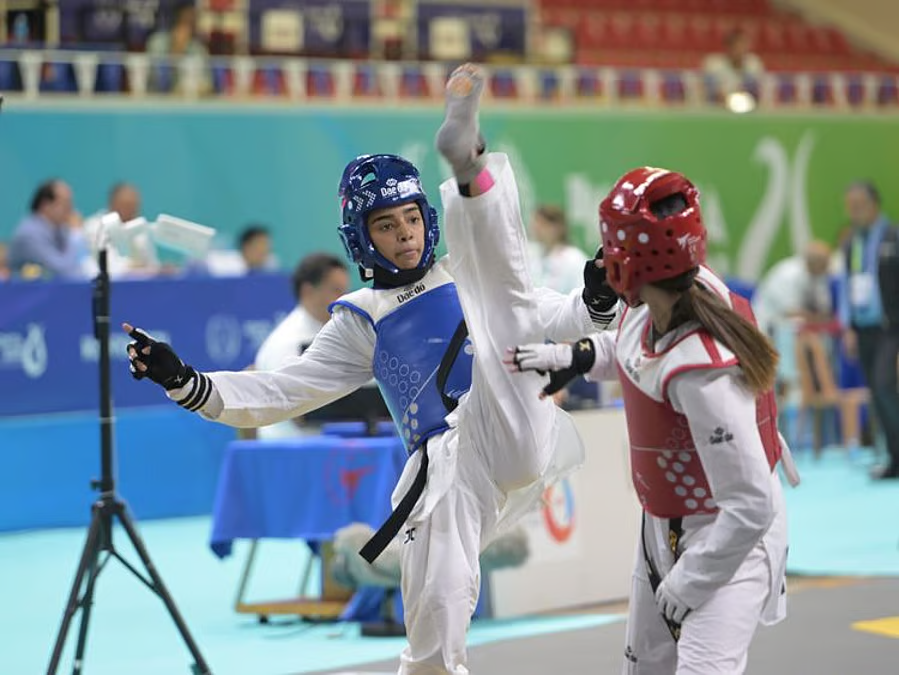
Track and field, swimming, boxing, judo, and taekwondo are gaining traction among youth. These sports offer clear pathways to international competition and suit a wide range of physical abilities.
National programs are identifying potential early and providing specialized training to support long-term growth.
Emerging Sports and New Opportunities
Sports like basketball, cycling, gymnastics, and even surfing are attracting young participants. Esports is also emerging as a structured competitive platform for youth, blending technology with performance.
This diversification ensures that every child can find a sport that suits their interests and strengths.
The Role of Families in Youth Sports Success
Behind every young athlete is a family making daily sacrifices.
Parental Support and Changing Attitudes
Parents across the Gulf are increasingly supportive of sports careers, recognizing the values sports instill beyond trophies. Early morning practices, travel commitments, and emotional encouragement are becoming part of family life.
This support system plays a vital role in helping young athletes stay motivated and grounded.
Balancing Pressure and Passion
Families are also learning how to manage expectations. The focus is shifting from winning at all costs to personal growth, enjoyment, and long-term development.
This healthier approach reduces burnout and keeps youth engaged in sports for life.
Coaching Quality and Athlete Mentorship
Youth sports are only as strong as the people guiding them.
Professional Development for Coaches
The Gulf is investing in coach education, certification programs, and international partnerships. Coaches are trained not just in technique, but also in child psychology, injury prevention, and athlete welfare.
Better coaching leads to safer training environments and more effective athlete development.
Mentorship Beyond Performance
Many programs emphasize mentorship, teaching life skills such as leadership, communication, and emotional resilience. Young athletes learn how to handle success, failure, and pressure with maturity.
These lessons extend far beyond the sports field.
Health, Fitness, and Social Impact
Youth sports are transforming more than athletic performance; they are reshaping public health and social cohesion.
Combating Lifestyle Challenges
Regular sports participation addresses rising concerns around inactivity, obesity, and mental health. Youth athletes develop healthy habits that often influence entire families.
Active lifestyles contribute to long-term healthcare savings and improved quality of life.
Building Inclusive Communities
Sports bring together youth from different backgrounds, nationalities, and cultures. Team environments promote respect, cooperation, and shared identity.
This inclusivity strengthens social bonds and fosters unity within diverse Gulf societies.
Youth Sports and International Competitiveness
The ultimate measure of youth sports success is performance on the global stage.
Preparing for Global Competitions
Youth athletes are increasingly competing internationally, gaining exposure to different playing styles and competitive environments. These experiences build confidence and resilience.
International competition helps benchmark progress and refine development strategies.
Creating Sustainable Sporting Success
Rather than relying on short-term solutions, youth development creates a sustainable pipeline of talent. This approach ensures consistent representation in regional and global competitions for decades to come.
The Gulf’s future athletic success depends on the systems being built today.
Challenges Facing Youth Sports Development
Despite impressive progress, challenges remain.
Access and Equity
Ensuring equal access across regions, income levels, and genders requires continuous effort. Expanding facilities and reducing participation costs remain priorities.
Managing Expectations and Burnout
As youth sports become more competitive, managing pressure is essential. Programs must prioritize athlete well-being alongside performance goals.
Addressing these challenges honestly will strengthen the foundation of Gulf athletics.
The Road Ahead for Gulf Youth Athletics
The future of Gulf athletics is youthful, ambitious, and deeply rooted in community. The region is no longer asking whether it can produce world-class athletes, but how many and how sustainably.
Youth sports are shaping confident individuals, healthier societies, and stronger national identities. Every training session, school tournament, and grassroots program contributes to a larger vision where Gulf athletes compete with pride and purpose on the world stage.
What makes this movement truly powerful is its human side. It is built on children discovering joy in movement, families believing in potential, coaches investing in growth, and societies recognizing the value of sport beyond medals.
Do follow Gulf Magazine on Instagram.
Also Read – How the Gulf Is Emerging as the Global Sports Tourism Leader

